
 EN
EN
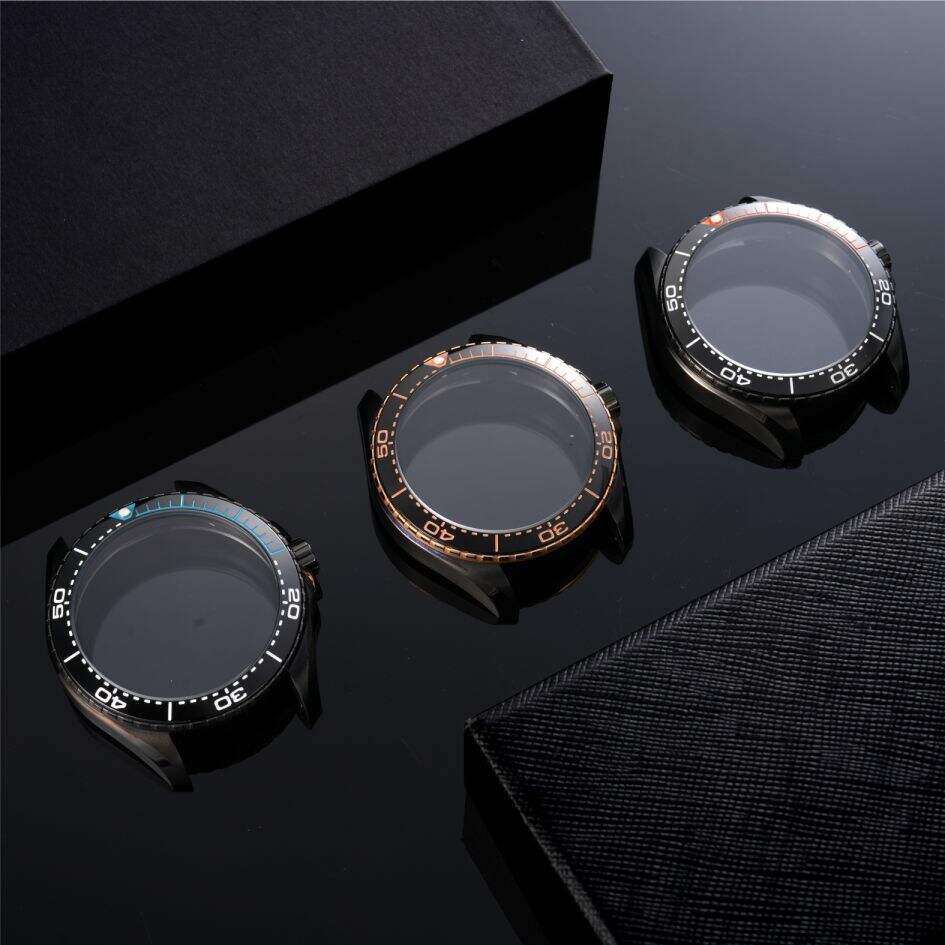
Understanding Sapphire Crystal Scratch Resistance
Does sapphire crystal scratch? Debunking common myths
Sapphire crystal sits at number 9 on the Mohs hardness scale, just behind diamond, though many people think it's completely scratch resistant. There's this common belief floating around that sapphire watches are practically indestructible when worn normally, but the truth is different. Anything harder than level 9 on that scale will leave marks, like those diamond tipped tools used in manufacturing or certain industrial abrasives. The latest Horological Materials Study from 2024 found something interesting too: out of all those accidental scratches we see on sapphire glass, about 9 out of 10 come from touching surfaces embedded with diamonds or storing them improperly next to tougher gemstones. To put things into perspective, a tungsten ring rated at Mohs 8.5 won't harm sapphire, but watch out for concrete dust mixed with corundum particles since they hit right around that same 9 mark and could potentially cause damage over time.
Scratch resistance of sapphire crystal: How it outperforms everyday materials
Sapphire’s synthetic aluminum oxide structure forms a denser crystal lattice than mineral glass or acrylic, making it highly resistant to abrasions from everyday hazards like keys (Mohs 3–5) and sand (Mohs 7).
| Material | Mohs Rating | Scratch Resistance | Common Use Cases |
|---|---|---|---|
| Acrylic | 2 | Low | Vintage watches |
| Mineral Glass | 5–7 | Moderate | Mid-range timepieces |
| Sapphire | 9 | Exceptional | Luxury/premium watches |
Research into crystal lattice structures shows sapphire requires four times more force to scratch than mineral glass.
Sapphire crystal hardness on the Mohs scale (9): What it means for your watch
Sapphire sits at 9 on the Mohs scale, which means it can stand up against almost everything we come across daily - about 99% of stuff actually. That includes things like stainless steel, which scores around 5.5 on Mohs, and quartz at 7. The reason for this toughness? Look deep down at the atomic level where aluminum oxide forms a hexagonal pattern, kind of like a shield against scratches and wear. Synthetic sapphire works the same way as the real thing found in nature, but watchmakers go an extra step by polishing it until it's crystal clear. They get it to a refractive index of roughly 1.76, making sure the watch face stays protected while still letting light through so details remain visible even under poor lighting conditions.
Why hardness matters: Real-world implications for watch wearers
Watches made with materials that have higher hardness tend to develop fewer tiny scratches on the face over time, which helps keep the dial looking clear and sharp. According to a report from Watch Collectors in 2023, timepieces featuring sapphire crystal faces hold onto about 82 percent of their original price when sold again after five years, whereas those with regular mineral glass only manage around 58%. But there's another side to this story. The same property that makes sapphire so scratch resistant also makes it more fragile. Tests show that sapphire actually cracks about 30% more easily when hit hard compared to mineral glass alternatives. That's why many people still prefer sapphire for fancy dress watches worn at events or meetings, but folks working in places where watches might get knocked around a lot, like on building sites or in workshops, often stick with tougher mineral glass options instead.
Comparison Between Sapphire and Mineral Glass in Real-World Conditions
The Mohs hardness rating for sapphire at 9 puts it way ahead of mineral glass which only scores between 5 and 6. That means sapphire just doesn't get scratched easily when used day to day. Mineral glass? Well, it gets dinged up pretty quick by stuff like sand, concrete, maybe even keys falling out of pockets. Industry tests from last year show sapphire stays intact about 85% of the time in actual usage situations. And this difference really matters for people who lead active lives. Think hikers, athletes, anyone working outdoors where their gear gets exposed to rough conditions all the time. Mineral glass watches need those extra protective layers to stand up to regular wear and tear, while sapphire simply holds its own without any special treatment.
Durability, Clarity, and Long-Term Value: Why Sapphire Outperforms Mineral Glass
The molecular makeup of sapphire gives it amazing optical clarity that lasts for years. Most sapphire crystals maintain around 98 percent light transmission even after being subjected to harsh conditions like prolonged UV exposure and constant moisture. Mineral glass is quite different though. Over time, it starts to develop a yellowish tint and actually breaks down at the molecular level. This kind of degradation makes reading watch dials harder as time goes on. Watchmakers know this well, which is why they often specify sapphire for high end timepieces meant to be passed down through generations or used daily in demanding environments where regular maintenance just isn't practical.
Cost Considerations: Is Sapphire Worth the Premium Over Mineral Glass?
Sapphire crystals might set buyers back 4 to 6 times what mineral glass costs at first glance, but they tend to outlast the actual watch mechanism inside. Watch enthusiasts know this well because replacing mineral glass usually runs between fifty and hundred twenty dollars every three to five years or so. Over time, these replacement costs actually start to match and sometimes even beat out what someone paid originally for a sapphire crystal. Collectors especially appreciate how much better sapphire holds its value when reselling later on. Studies show watches with sapphire face retain around twenty to thirty percent higher resale prices compared to those with regular mineral glass faces. That makes all the extra cash spent initially worth it for anyone planning to keep their timepiece for many years.
Optical Clarity and Anti-Reflective Properties of Sapphire Crystals
Sapphire’s refractive index of 1.76 enables 92% visible light transmission, outperforming mineral glass (83%) and acrylic (89%), according to CrystalsTech (2023). This inherent clarity is further enhanced by advanced surface treatments.
How Anti-Reflective Coating Enhances Sapphire Crystal Visibility
Multi layer anti reflective coatings can cut down glare anywhere from 65 to nearly 90 percent because they work on the principle of destructive interference where reflected light cancels itself out. Putting these ultra thin coatings on both sides of the crystal not only keeps it resistant to scratches but makes reading much easier even under harsh lighting conditions. Research conducted over several years indicates that when we apply this treatment to both surfaces, reflections drop below 2 percent which is way better than the standard 15 percent reflection rate seen in regular uncoated sapphire materials.
Optical Clarity of Sapphire Under Sunlight and Low-Light Conditions
| Condition | Sapphire AR Coated | Mineral Glass |
|---|---|---|
| Direct Sunlight | 92% visibility | 73% visibility |
| Twilight | 85% legibility | 68% legibility |
| Sapphire’s high-purity composition eliminates chromatic distortion common in lower-grade crystals. |
Durability and Maintenance of Anti-Reflective Layers on Sapphire
While sapphire itself resists scratches at Mohs 9, AR coatings require mindful care:
- Clean with microfiber cloths (avoid paper towels)
- Steer clear of ammonia-based cleaners
- Reapplication may be needed every 5–7 years with regular use
Research confirms sapphire’s chemical inertness helps AR coatings adhere up to three times longer than on mineral glass substrates.
Best practices for cleaning and preserving sapphire crystal surfaces
To keep those sapphire watch faces looking their best, grab a gentle microfiber cloth and some warm water from the tap. This combo works wonders for getting rid of those pesky oils and fingerprints that accumulate over time. Now here's something important: steer clear of strong chemical cleaners or those fancy ultrasonic devices at jewelry stores. They might damage the special coating that makes the crystal so clear. When putting away the watch, always lay it face up inside a soft padded case. This helps protect against chips from accidental bumps or scratches from other items in the drawer. And remember, even though sapphire ranks high on the hardness scale, it still has vulnerabilities. A hard knock on an edge can cause chips, particularly where the crystal meets the metal frame of the watch.
Common misconceptions about sapphire crystal maintenance
Sapphire is often mistakenly considered indestructible. While it offers eight times greater scratch resistance than mineral glass, it can fracture when struck against extremely hard surfaces like ceramic tiles or concrete. Regular inspections for hairline cracks help identify stress points early, preventing catastrophic failure.
Impact of sapphire crystal on resale value and collector appeal
Watches with original, intact sapphire crystals retain up to 89% of their value after a decade, compared to 62% for mineral glass models. Collectors prioritize authenticity, and non-original crystal replacements can reduce auction value by 15–30%. Preserving the factory-installed sapphire component is crucial for maximizing long-term worth.
Balancing hardness and brittleness: Is sapphire too fragile for daily wear?
According to a recent materials science report from 2023, sapphire can handle about four and a half times the compressive force compared to regular mineral glass before it cracks. Now, the brittle nature of sapphire becomes an issue mainly when dealing with very thin pieces below 1.5mm thick, something not commonly found in most high end timepieces today. When considering daily usage, the outstanding scratch protection offered by sapphire glass makes the small chance of breakage almost negligible. Watchmakers often incorporate special case designs that absorb shocks anyway, so even if someone drops their watch, the likelihood of actual damage remains pretty low.
FAQ
Is sapphire crystal completely scratch-proof?
No, while sapphire crystal is highly scratch-resistant, it isn't completely scratch-proof. Materials with a Mohs hardness of above 9, like diamonds, can still scratch it.
How does sapphire crystal compare to mineral glass in terms of scratch resistance?
Sapphire crystal is significantly more scratch-resistant than mineral glass due to its Mohs hardness rating of 9, while mineral glass has a lower rating of 5-7.
Can the anti-reflective coating on sapphire crystal wear off?
Yes, anti-reflective coatings can wear off over time and may require reapplication every 5-7 years with regular use.
Does sapphire crystal enhance the resale value of a watch?
Yes, watches with sapphire crystal faces tend to retain higher resale values compared to those with mineral glass faces, making them more appealing to collectors.
What is the primary advantage of choosing sapphire crystal over mineral glass for watches?
The main advantages are greater scratch resistance, optical clarity, and long-term value retention.
Table of Contents
- Understanding Sapphire Crystal Scratch Resistance
- Comparison Between Sapphire and Mineral Glass in Real-World Conditions
- Durability, Clarity, and Long-Term Value: Why Sapphire Outperforms Mineral Glass
- Cost Considerations: Is Sapphire Worth the Premium Over Mineral Glass?
- Optical Clarity and Anti-Reflective Properties of Sapphire Crystals
- Best practices for cleaning and preserving sapphire crystal surfaces
- Common misconceptions about sapphire crystal maintenance
- Impact of sapphire crystal on resale value and collector appeal
- Balancing hardness and brittleness: Is sapphire too fragile for daily wear?
-
FAQ
- Is sapphire crystal completely scratch-proof?
- How does sapphire crystal compare to mineral glass in terms of scratch resistance?
- Can the anti-reflective coating on sapphire crystal wear off?
- Does sapphire crystal enhance the resale value of a watch?
- What is the primary advantage of choosing sapphire crystal over mineral glass for watches?