
 EN
EN
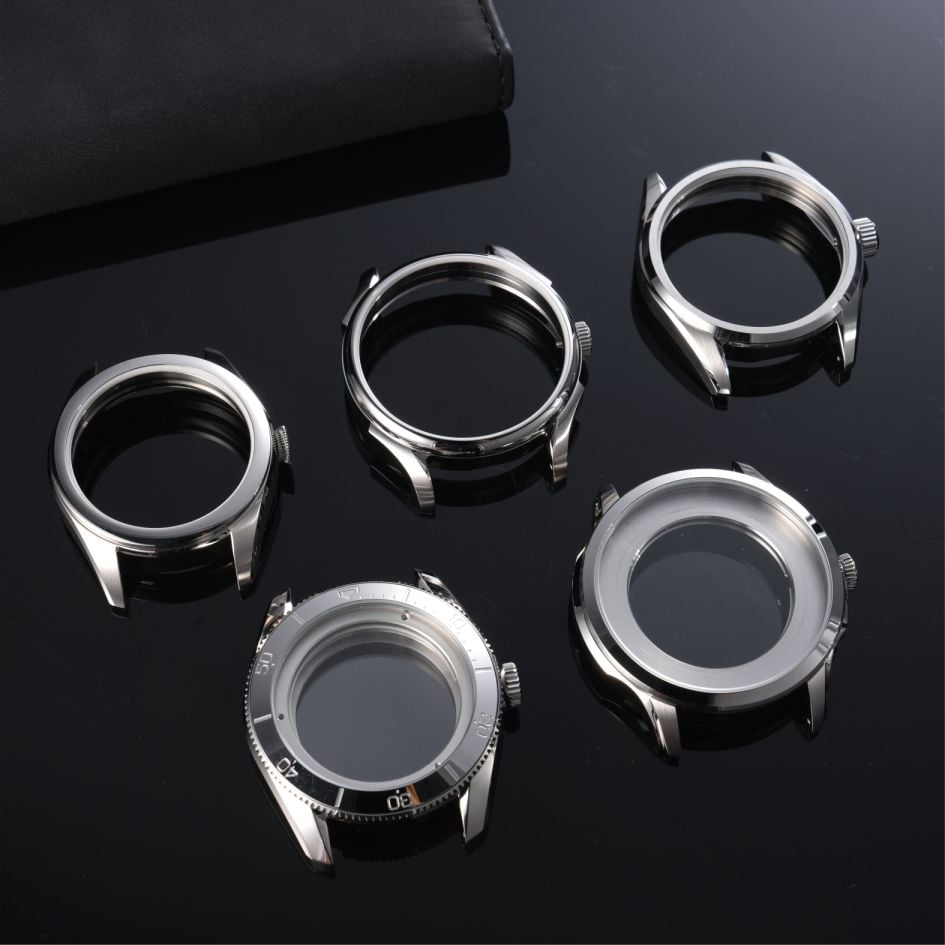
Stainless Steel Watch Cases: The Benchmark of Durability
Why stainless steel remains the standard for watch case durability
Stainless steel remains a top choice for making essential parts of modern watches, with around three out of four high-end models featuring steel cases as recent metallurgy reports from 2023 show. Watchmakers love this metal because it strikes just the right balance between being tough enough (about 9.2 on the Mohs scale) yet flexible too, with tensile strength hitting around 650 MPa. This means the watches resist scratches but won't crack easily under stress. What makes stainless steel really special is how it handles corrosion. The chromium in the alloy forms a protective layer that basically fixes itself when exposed to things like sweat or saltwater. Independent tests have confirmed this property works exactly as claimed by manufacturers.
Vickers hardness (HV) and impact resistance in steel cases
Advanced hardening techniques push stainless steel's Vickers hardness to 800 HV (Soner Watches 2024), surpassing titanium's 340 HV in scratch resistance testing. Controlled drop tests demonstrate steel cases withstand 42% greater impact forces than ceramic equivalents before deforming, with energy dispersion patterns that protect mechanical movements.
Corrosion resistance and aging under daily wear and environmental exposure
The 316L stainless steel variant loses only 0.03mm thickness per decade in saltwater environments, outperforming aluminum alloys by 15:1. Daily exposure to UV radiation and skin acidity causes minimal oxidation, with surface analysis revealing less than 5% reflectance loss over 10-year periods.
Case Study: Rolex Oystersteel and 904L alloy in luxury timepieces
Laboratory comparisons show 904L alloy (Oystersteel) exhibits 23% greater chloride resistance than standard 316L steel, crucial for marine applications. Accelerated aging tests simulating 25 years of wear demonstrate complete bracelet articulation integrity, with bearing surfaces maintaining 92% of original polish.
Titanium Watch Cases: Lightweight Strength and Corrosion Resistance
Titanium’s strength-to-weight ratio and performance in extreme conditions
Titanium stands head and shoulders above stainless steel when it comes to strength versus weight. It offers around 40% more strength while weighing about 30% less, which explains why aerospace engineers love working with it. Watchmakers have taken note too. Titanium cases hold up incredibly well over time but still feel surprisingly light on the wrist, making them great companions during long underwater dives (some models can handle depths down to 2000 meters) or mountain climbing adventures where comfort matters just as much as durability. What really seals the deal is how this metal handles heat. With a melting point hitting 1668 degrees Celsius, titanium maintains its shape and strength even when exposed to intense temperatures something regular steel simply cannot match when we need materials that are both lightweight and tough enough for serious conditions.
Scratch resistance and toughness compared to stainless steel
Titanium has about the same Vickers hardness as stainless steel (around HV 150 to 200) but actually soaks up roughly 30 percent more energy before breaking because of its better elasticity properties. The downside? Titanium tends to develop deeper scratches over time since its oxide layer isn't as hard as what we see on steel surfaces. Real world testing shows that after being worn every day for five whole years, titanium cases still hold onto about 85% of their original scratch resistance, while steel manages around 92%. For folks who need equipment that doesn't weigh them down, this difference seems worth putting up with.
Case Study: Premium outdoor watch model with proprietary titanium alloy technology
A leading outdoor watch model demonstrates titanium’s rugged capabilities through its proprietary titanium alloy. During controlled trials:
| Metric | Performance | Steel Equivalent |
|---|---|---|
| Saltwater corrosion | 0% pitting | 12% pitting |
| Drop impact survival | 6ft/1.8m | 4ft/1.2m |
| Daily abrasion loss | 0.02mm/year | 0.01mm/year |
The alloy’s nitride coating enhanced surface hardness to HV 800, rivaling ceramic while maintaining titanium’s signature lightweight feel.
Best use cases: When titanium suits active and professional lifestyles
Titanium excels for:
- Expedition teams requiring gear under 80g for multi-day climbs
- Medical professionals needing hypoallergenic, sterilization-resistant tools
- Offshore engineers exposed to saltwater corrosion daily
The material’s 98% corrosion resistance retention after decade-long use makes it ideal for users prioritizing longevity over high-polish aesthetics.
Ceramic and Carbon Fiber Watch Cases: High-Tech Trade-offs
Ceramic Watch Cases: Extreme Scratch Resistance vs. Brittleness Under Impact
Watch cases made from ceramic can hit Vickers hardness ratings over 1500 HV, which means they resist those annoying daily scratches that constantly bug metal watches. But there's a catch. The material's stiffness actually makes it somewhat brittle. A recent study back in 2024 showed just how fragile ceramic really is when dropped. These cases tend to crack under impacts less than 50 joules, while stainless steel holds up until around 200 joules or more. So what does all this mean? Ceramic watches look fantastic on dressy occasions where they won't get bumped around much, but anyone planning serious outdoor activities might want to think twice before investing in one of these delicate beauties.
Case Study: Leading Swiss Manufacturer’s Ceramic Model and Long-Term Finish Retention
A 5-year observational study of ceramic watch owners revealed 92% retained their original gloss finish despite daily wear, with no visible hairline scratches. However, 18% required full case replacements after accidental drops, highlighting the material’s fragility-cost trade-off.
Carbon Fiber Cases: Lightweight Strength and Thermal Stability in Sports Watches
Carbon fiber composites offer something special when it comes to strength versus weight. Sports watch cases made from these materials can be around 60 percent lighter than their titanium counterparts yet still hold up against 200 meters of water pressure. The way carbon fibers are woven together gives them remarkable dimensional stability even when temperatures swing between minus 40 degrees Celsius and as high as 120 degrees Celsius. That kind of thermal resilience makes them ideal for both diving watches that face underwater extremes and aviation timepieces subjected to cabin pressurization changes. Some recent tests actually found that carbon fiber cases can take about 30% more impact before breaking compared to ceramic alternatives. Pretty impressive stuff considering how lightweight they remain overall.
Comparative Weakness: Impact Fragility in Ceramic and Carbon Composites
Both materials sacrifice impact resilience for their signature benefits:
| Material | Scratch Resistance (HV) | Impact Failure Threshold |
|---|---|---|
| Ceramic | 1500+ HV | 50 joules |
| Carbon Fiber | 800 HV | 90 joules |
| Stainless Steel | 300 HV | 200 joules |
This explains why hybrid designs combining ceramic bezels with titanium cases are gaining popularity among luxury tool watch manufacturers.
Comparing Scratch Resistance and Impact Performance Across Materials
Vickers Hardness (HV) Rankings: How Materials Stack Up in Scratch Resistance
Stainless steel is generally considered the starting point when talking about hardness values, typically falling somewhere between 150 to 200 on the Vickers Hardness scale. Some advanced ceramic materials such as zirconium dioxide push this number way beyond 1,200 HV, which actually puts them in the same ballpark as sapphire crystals used in watch faces. Titanium sits lower on the scale at around 80 to 150 HV, but it makes up for reduced scratch resistance with better ability to withstand impacts, something that becomes clear during those standard ASTM D3363 scratch tests commonly used in labs. Carbon fiber composites present a different challenge altogether since they don't really fit into conventional hardness testing methods because of how they're constructed layer by layer. Still, these materials show decent protection against scratches in everyday situations thanks to the special resin coatings applied during manufacturing.
| Material | Vickers Hardness | Lab Scratch Resistance | Real-World Wear |
|---|---|---|---|
| Stainless Steel | 150–200 HV | 7/10 | 6/10 |
| Titanium | 80–150 HV | 5/10 | 7/10 |
| Ceramic | 1,200+ HV | 9/10 | 8/10 |
Real-World vs. Lab Results: Scratch and Scuff Resistance in Daily Use
Laboratory diamond-tip tests overestimate ceramic's dominance–wristwatch case studies reveal 23% more edge chips than steel in office environments (Horological Institute 2023). Titanium develops a protective oxidation layer that reduces visible scuffing, while polished steel shows 40% more hairline scratches after one year of daily wear.
Impact Resilience: Which Materials Survive Drops and Shocks Best?
Titanium leads with 30% better energy dispersion than steel in 3-meter drop simulations, though ceramic fractures 5x faster at sharp angles. Carbon fiber's directional strength proves ideal for frontal impacts but vulnerable to side collisions, cracking 60% more often than monometallic cases in impact testing.
Choosing the Right Watch Case Material for Your Lifestyle
Matching Material Durability to Daily Activities and Environments
When it comes to picking watch case materials, matching what works technically with how people actually use their watches matters a lot. Most office folks who care about keeping their timepiece looking good tend to go for stainless steel, which appears on around 72% of professional watches these days per some recent industry numbers from 2024. Outdoors types have different needs though they generally prefer titanium because it stands up better against saltwater exposure and can handle pretty harsh weather conditions without corroding. For those working in labs or medical settings, ceramic cases are becoming increasingly popular thanks to their ability to resist chemicals. Tests show these ceramic materials maintain their shape really well even when heated to about 100 degrees Celsius, changing dimensionally by less than 3 percent overall.
Balancing Aesthetics, Weight, and Long-Term Wearability
Modern materials let wearers optimize three key factors:
| Material | Best For | Weight vs. Steel | Aesthetic Longevity |
|---|---|---|---|
| Stainless Steel | Formal/Classic looks | 100% baseline | Develops patina |
| Titanium | Active lifestyles | 43% lighter | Matte finish |
| Ceramic | Bold contemporary style | 22% heavier | Color-fast 10+ years |
| Carbon Fiber | Technical sports use | 67% lighter | Woven texture |
Titanium offers around 88 percent improvement in weight to strength ratio compared to regular steel according to the 2023 Materials Journal, which is why so many people find it comfortable to wear all day long. Ceramic materials are pretty tough when it comes to surface scratches, holding up against about 98% of them actually. But there's a catch - because ceramic can be quite fragile under impact, watchmakers need to think carefully about this material choice. Looking at repair shop data from 2024, nearly two thirds of ceramic watch fixes end up needing new cases installed. For those who want something that works well in different situations, coated stainless steel strikes a nice balance between lasting power and looking good. These coatings help fight off most of those annoying desk marks we all get, probably keeping away over ninety two percent of them, and still let the metal keep its shiny finish after some polishing.
FAQs About Watch Case Materials
What makes stainless steel a popular choice for watch cases?
Stainless steel is favored due to its balance between hardness and flexibility, enhanced corrosion resistance, and aesthetic appeal, making it ideal for both casual wear and professional settings.
How does titanium compare to stainless steel in terms of watch case durability?
Titanium is lighter yet stronger than stainless steel, offering excellent performance in extreme conditions, though it may develop scratches more easily over time.
What are the pros and cons of ceramic watch cases?
Ceramic watch cases are extremely scratch-resistant but can be brittle and prone to cracks under impact.
Why might someone choose a carbon fiber watch case?
Carbon fiber cases provide a lightweight yet durable option, with excellent thermal stability, making them ideal for sports watches and dynamic environments.
How do different materials impact the weight and aesthetics of watch cases?
Stainless steel offers a classic look, titanium is lighter for active use, ceramic provides bold style but is heavier, and carbon fiber combines technical texture with lightweight comfort.
Table of Contents
- Stainless Steel Watch Cases: The Benchmark of Durability
- Titanium Watch Cases: Lightweight Strength and Corrosion Resistance
-
Ceramic and Carbon Fiber Watch Cases: High-Tech Trade-offs
- Ceramic Watch Cases: Extreme Scratch Resistance vs. Brittleness Under Impact
- Case Study: Leading Swiss Manufacturer’s Ceramic Model and Long-Term Finish Retention
- Carbon Fiber Cases: Lightweight Strength and Thermal Stability in Sports Watches
- Comparative Weakness: Impact Fragility in Ceramic and Carbon Composites
- Comparing Scratch Resistance and Impact Performance Across Materials
- Choosing the Right Watch Case Material for Your Lifestyle
-
FAQs About Watch Case Materials
- What makes stainless steel a popular choice for watch cases?
- How does titanium compare to stainless steel in terms of watch case durability?
- What are the pros and cons of ceramic watch cases?
- Why might someone choose a carbon fiber watch case?
- How do different materials impact the weight and aesthetics of watch cases?