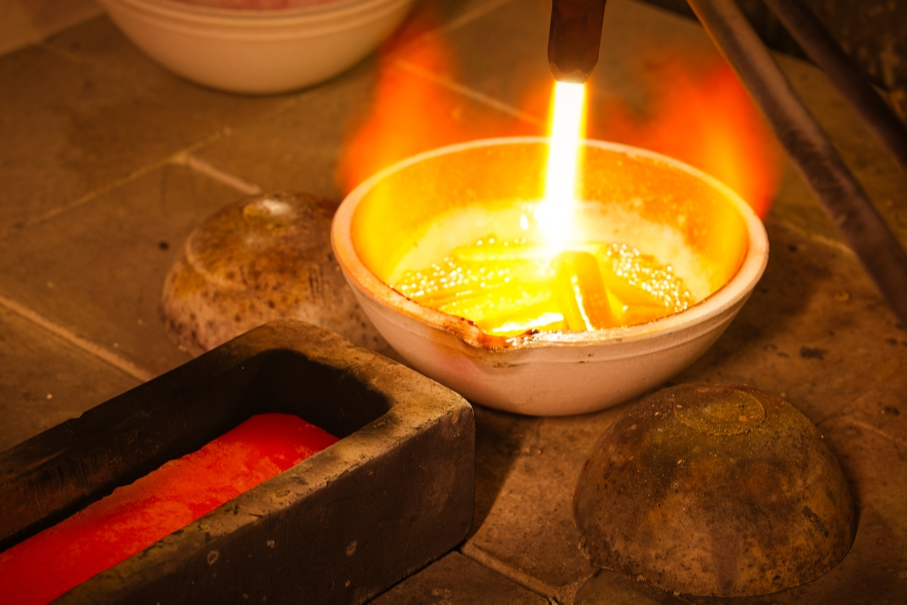
Precision watch manufacturing demands near-perfect synchronization of components. Suppliers achieving 98% on-time delivery prevent assembly line stoppages that cost manufacturers $740k daily in lost productivity (Ponemon 2023). For critical components like escapements and balance wheels, defect rates above 0.5% trigger cascading failures:
| Performance Metric | Industry Benchmark | Impact of Non-Compliance |
|---|---|---|
| On-time Delivery | 98% | 15–20% production delay costs |
| Defect Rate | <0.5% | 30% higher warranty claims |
Manufacturers should mandate monthly performance reports tracking these metrics—especially for high-tolerance parts where microscopic deviations compromise timekeeping accuracy. Statistical process control (SPC) charts help identify trends before defects reach the assembly line.
While numbers matter when evaluating suppliers, real validation comes from looking at three different types of evidence. For starters, ISO 9001 certification is essential because it shows there are proper records for tracking problems and fixing them. This isn't just nice to have for companies making watch movements, it's basically table stakes these days. Next up, don't settle for what suppliers tell you about defects. Insist on seeing independent verification instead. And finally, check out what other businesses say online. Look specifically at platforms where people leave reviews after working with suppliers on over fifty orders. Pay attention to how they handle quality issues when things go wrong, and whether all their paperwork about materials is complete. A supplier averaging 4.7 stars or better based on at least a hundred customer experiences usually means they're reliable enough. Watch out for anyone who won't share their performance stats openly or refuses surprise visits to their facilities. These are serious warning signs when sourcing delicate components for precision watches.
For making quality watch parts, high precision CNC machining is absolutely essential. Watchmakers need to keep those tolerances really tight, around plus or minus 0.005mm for things like gears and escapement mechanisms. When parts fit together so precisely, they just run smoother and last longer too. Facilities certified under ISO 9001 standards actually see about 30% fewer issues with component dimensions than shops without certification. But good machines aren't enough on their own. Real expertise comes from knowing which materials work best. Many manufacturers opt for aerospace grade alloys because they hold up better against the constant stresses inside a watch movement and resist those tiny shape changes over time. Most serious watch brands want visibility into how their parts are made. That's why many factories document every step of production, from initial setup to final inspection. Some even let business clients check measurements live during machining operations, giving them peace of mind that everything meets specs before shipping.
Multi stage quality checks help stop defects from spreading throughout delicate parts such as balance wheels and jewel bearings. After every machining step, automated optical inspection systems scan surfaces completely, catching tiny flaws that would escape notice during regular visual checks. When it comes to parts needing lubrication, factories keep their workspaces at ISO Class 7 standards, meaning there are fewer than 10,000 dust particles floating around per cubic foot. Why does this matter? Because even one speck of dirt can boost friction levels by around 15% inside moving assembly parts. Smart manufacturers mix statistical process control methods with actual destructive tests on sample products. They test how hard materials really are and whether they'll hold up over time using special equipment that speeds up normal wear patterns. All these different quality steps together cut down on problems after final assembly by nearly half compared to just checking everything once at the end of production.
Building resilient sourcing operations for critical watch parts requires proactive mitigation of single-supplier dependencies and material inconsistencies. Manufacturers implementing dual-sourcing strategies reduce production stoppage risks by 60% compared to single-source models. This approach distributes orders across vetted suppliers, ensuring continuity during geopolitical disruptions or capacity constraints.
Tracking materials all the way from smelting operations to final finishing processes helps confirm that suppliers are following ethical practices and stops unexpected quality issues in critical parts such as watch mainsprings and balance wheels. Many top manufacturers now use either blockchain technology or RFID tags to keep records of material certifications and track each production batch, which makes it much easier to find out what went wrong when problems do occur. Regular checks of suppliers combined with clear quality control procedures form another layer of protection. These steps create supply chains that can handle intense regulatory requirements and ultimately safeguard a company's market standing against potential scandals or recalls.
Optimizing watch parts sourcing requires analyzing total landed costs beyond unit prices. Critical factors include:
Prioritize suppliers offering tiered pricing for variable MOQs and validated tolerance compliance reports. A $0.10/part savings becomes a $7,500 loss if defect rates exceed 2% (Procurement Benchmark Study 2023).
Strategic sourcing balances location advantages against hidden costs:
| Region | Avg. Lead Time | Cost Premium | Key Advantage |
|---|---|---|---|
| Domestic | 2–5 days | 15–25% | Agile revisions, JIT support |
| Regional (NA/EU) | 1–3 weeks | 5–15% | Regulatory alignment |
| Overseas | 6–12 weeks | Base cost | High-volume scalability |
European partners provide craftsmanship credibility for luxury segments, while North American suppliers reduce logistics complexity. Implement strategic sourcing methodologies with regional buffers to mitigate transit delays causing 34% of production stoppages (Supply Chain Digest 2024).
Q1: What are industry benchmarks for on-time delivery and defect rates in watch manufacturing?
A1: Industry benchmarks for watch manufacturing include achieving 98% on-time delivery and maintaining a defect rate of less than 0.5%.
Q2: How do manufacturers ensure quality in watch parts production?
A2: Manufacturers ensure quality through CNC machining precision, strict tolerance compliance, ISO 9001 certification, and multiple quality control protocols including cleanroom standards.
Q3: What strategies do manufacturers use to mitigate supply chain risks?
A3: Manufacturers use dual-sourcing strategies and traceability systems like blockchain or RFID tags to mitigate supply chain risks.
Q4: How do geographic sourcing trade-offs affect watch part sourcing?
A4: Geographic sourcing trade-offs involve balancing lead time, cost premiums, and advantages such as agility and regulatory alignment among domestic, regional, and overseas suppliers.

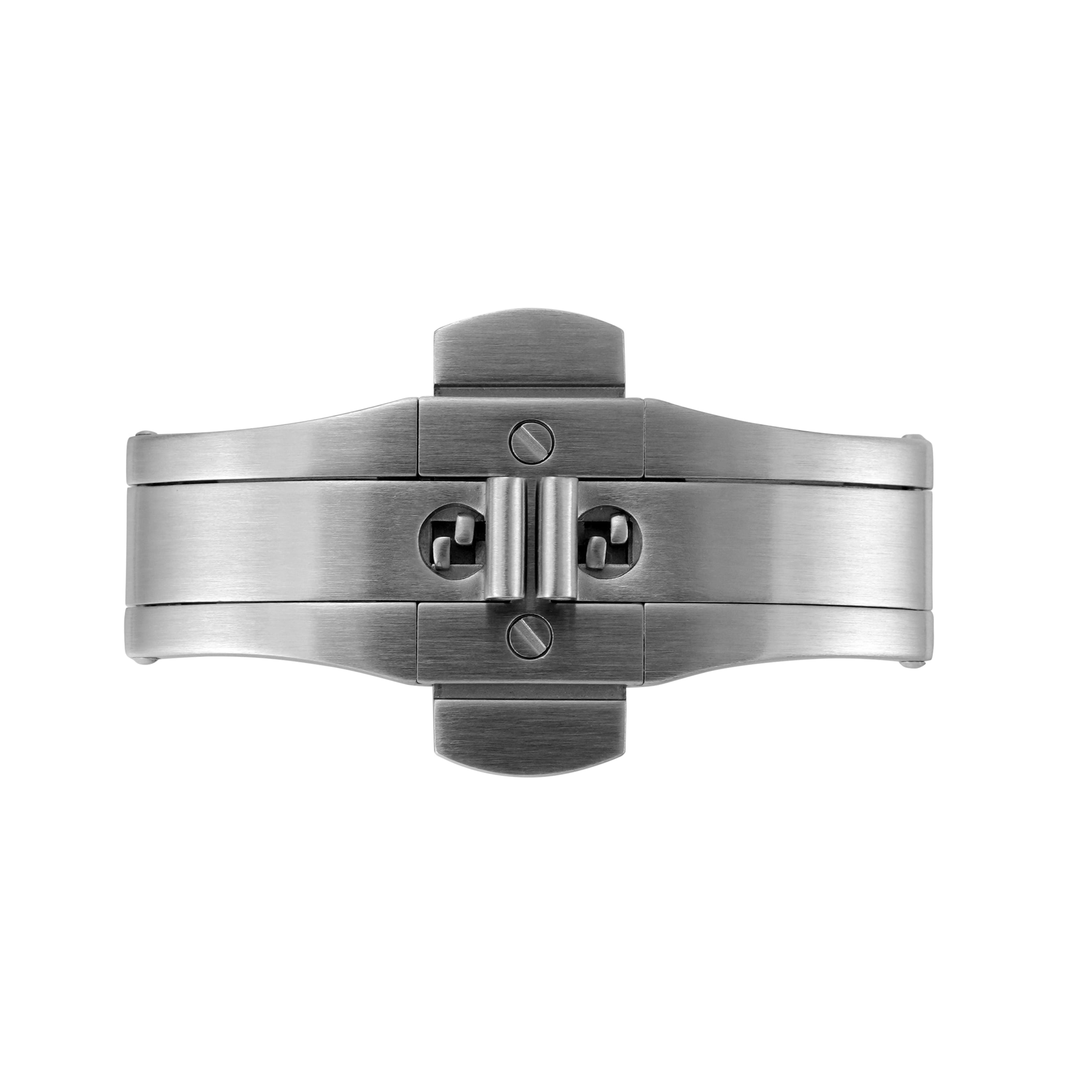
Baoruihua (Dongguan) Precision Technology Co., Ltd. is a precision watch manufacturer specializing in OEM and ODM watch components, including cases, dials, bracelets, and buckles. We provide stable production, strict quality control, and reliable supply for global watch brands. Contact us to discuss your project.
Building5, No.459 Xiecao Road, Xiegang town, Dongguan, Guangdong
Copyright © 2025 by Baoruihua (Dongguan) Precision Technology Co., Ltd. Privacy Policy
 EN
EN
 Hot News