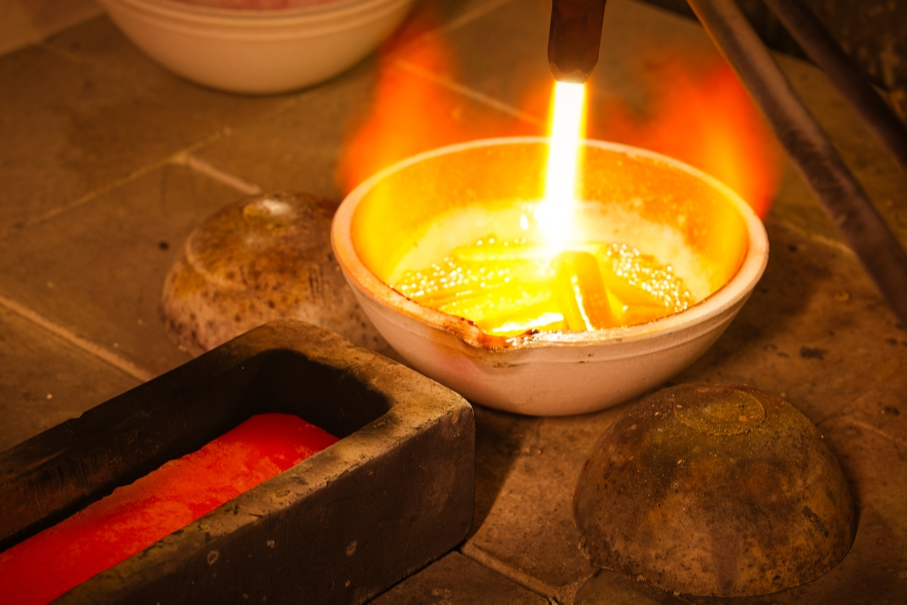
Leather remains the quintessential choice for premium watch straps—blending centuries-old craftsmanship with modern luxury. Artisans hand-stitch and edge-paint each strap using time-honored techniques, transforming raw hides into supple, durable accessories that evolve with rich, individual patinas over time.
Calfskin has that quiet elegance about it because of its smooth, uniform grain and works just as well on formal timepieces as it does on sports models. When we look at alligator and crocodile leather though, there's no mistaking what we're seeing those distinctive scales create a visual impact all their own while still remaining supple enough to wear comfortably. The exotic leathers need special treatment during tanning to keep their unique textures intact without losing their ability to bend around the wrist properly. Most manufacturers stick strictly to Grade 1 hides when making luxury goods since they represent such a small portion of available materials probably under 5% after sorting through everything collected from farms. This limited supply definitely affects pricing too. A really good alligator strap will often set someone back roughly five times what a premium calfskin would cost, which explains why many collectors consider them true investments rather than just accessories.
What makes ostrich leather so special? Look no further than those distinctive quill follicles that give it that unique soft, dimpled look people love for both how it looks and feels against the skin. Stingrays have something going for them too — their natural calcified scales make them super durable. But don't get me started on lizard skin. Handling this stuff during the curing process takes real care because otherwise it tears easily. And let's not forget sharkskin needs specific treatments if we want it to stay water resistant over time. All these exotic leathers fall under CITES regulations now, especially when talking about wild caught crocodilians which come with strict limits on how many can be harvested each year. These rules definitely contribute to why these materials remain exclusive and why ethical sourcing has become such a big deal in the industry lately.
Luxury fashion houses are getting serious about transparency these days. Most of them, around 85%, actually put their money where their mouth is by publishing detailed ethical sourcing info that traces products back to specific farms and verifies animal welfare standards. When it comes to exotic materials, CITES paperwork isn't just recommended anymore - it's absolutely required throughout the entire supply chain to stay on the right side of international law. The old school vegetable tanning method preferred by brands like Jean Rousseau and Camille Fournet cuts down on harmful chemicals by roughly 90% when compared to traditional chrome techniques. Eco minded shoppers have plenty of options now too. Certified vegan leathers made from apple scraps and MuSkin derived from mushroom roots offer similar textures to animal hides but without the environmental baggage. And let's not forget about those cutting edge lab grown materials coming out lately that claim to deliver top notch performance while keeping carbon footprints at zero.
Rubber and silicone bands are really tough stuff when it comes to performance. They can handle being submerged way past 200 meters deep and stand up against saltwater damage, sun exposure, and temperature extremes from as cold as -50 degrees Celsius all the way up to 300. What makes them even better is their hypoallergenic nature which means no nickel issues on the skin something that matters a lot since studies show around one quarter of people who wear metal bands get some kind of reaction. The special vulcanization process gives these bands a shape memory effect so they mold nicely to different wrist sizes and shapes. Plus there are those tiny pores in the material that let air circulate making them comfortable enough to wear all day long sometimes even for over 16 hours straight without discomfort. Big name watch companies have started working with these materials too, adding fancy finishes and textures that make rubber and silicone not just practical but actually look pretty luxurious alongside traditional sports watches.
Originally developed according to specs from the British Ministry of Defence, NATO, Zulu, and Perlon straps combine military strength with everyday usefulness. Made from dense nylon or polyester fibers, these straps can handle pulling forces exceeding 50 kilograms while still being incredibly light at under 15 grams each. The design is pretty smart actually - it's made in one continuous piece so if those little spring bars ever break, there's no chance of losing the watch completely. Something manufacturers have kept even as designs evolved over time. When it comes to colors, the options are basically endless thanks to colorfast dyes. People can match them perfectly with whatever watch face they prefer or coordinate with their whole outfit without worrying about fading. What makes Perlon especially interesting is how it's woven with thermoplastic polymers that stretch naturally with changes in wrist size throughout the day. And when exposed to water, these materials dry about eight times quicker than regular cotton does. Plus they resist wear and tear, don't fade easily, and won't grow mold or bacteria like other materials might. Most importantly for busy folks, these straps stay strong and good looking for at least five years before needing replacement. Not bad considering traditional leather alternatives need special care and often can't go through a washing machine at all.
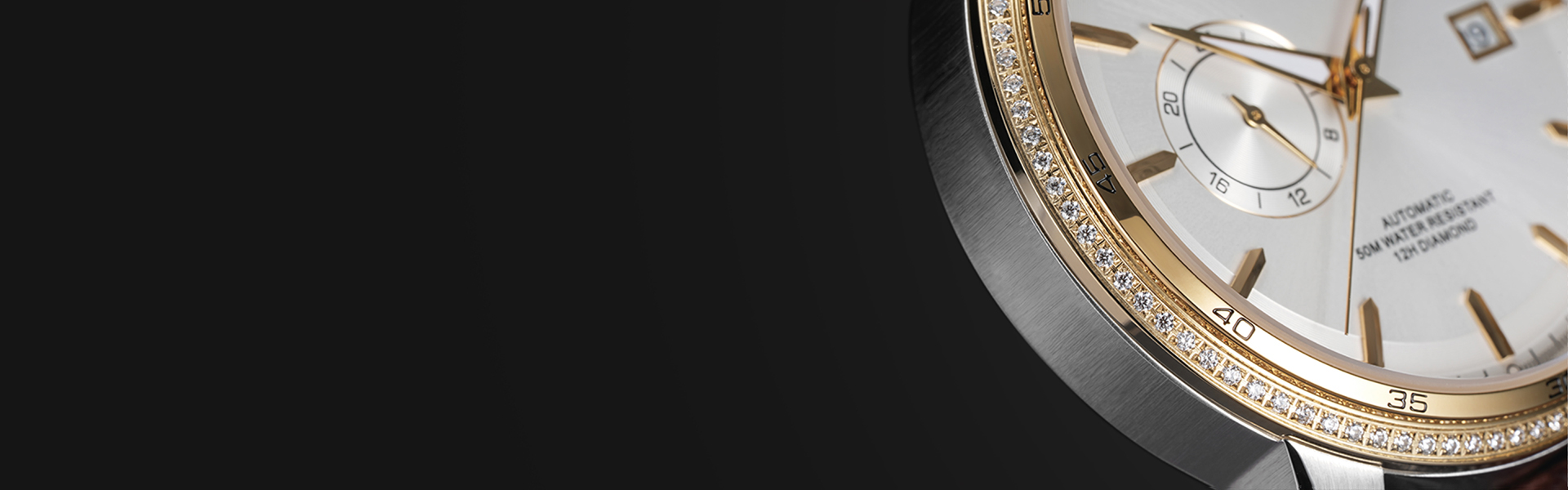
Stainless steel still sets the standard when it comes to lasting quality and that classic look people want. It has real weight to it and comes in all sorts of finishes ranging from super shiny mirrors to those brushed looks or even PVD coatings. But there's a catch for some folks - around 1 out of every 6 people who wear stainless steel experience reactions to nickel content, which explains why so many are looking elsewhere these days. Titanium steps in as a great alternative, cutting down on weight by about 40 to 45 percent compared to steel yet holding up just as well in terms of strength. What makes titanium special? Those matte or bead blasted surfaces don't scratch easily and naturally work well with bodies since they're biocompatible. Then we get to ceramic, which takes things to another level altogether. When properly sintered, ceramic reaches hardness levels above Vickers HV 1500, making it practically immune to scratches and totally safe for sensitive skin types. Whether smooth and glossy or with interesting textures, ceramic maintains its appearance beautifully whether worn at formal events or during intense physical activities.
| Material | Weight Profile | Finish Options | Hypoallergenic Certification |
|---|---|---|---|
| Stainless Steel | Substantial/heavy | Polished, brushed, PVD | Limited (nickel sensitivity) |
| Titanium | 40–45% lighter than steel | Matte, satin, bead-blasted | Full biocompatibility |
| Ceramic | Ultra-lightweight | High-gloss, matte, textured | 100% non-allergenic |
The convergence of precision engineering and wearer-centric design has made titanium and ceramic the preferred choices for those seeking uncompromised sophistication and long-term comfort.
The latest hybrid materials are finally bridging what used to be an impossible gap between looking good and performing well. Carbon fiber inspired straps weigh about 40% less than traditional stainless steel options, yet they still look amazing on the wrist and hold up surprisingly well over time. Then there's sailcloth material originally made for boats but works wonders here too. It resists water better than regular stuff and has this awesome texture that feels different from anything else out there. Lab tests showed it can handle three times the stress compared to normal canvas fabrics. What really stands out though is this leather rubber combo strap design. The top layer stays genuine leather so it develops that beautiful aged look people collect for, but underneath sits flexible rubber that keeps everything dry inside. We tested them ourselves and found they bend back and forth almost twice as much as regular straps before showing wear signs. These new materials represent something special in watchmaking today when style doesn't have to sacrifice durability anymore.
Exotic leathers like alligator, ostrich, and stingray offer unique textures, durability, and an exclusive appearance. They are often considered investments due to their rarity.
Luxury brands ensure ethical sourcing by tracing products back to specific farms and verifying animal welfare standards, adhering to CITES regulations, and utilizing environmentally favorable tanning processes.
Yes, titanium and ceramic straps are excellent hypoallergenic options for those with sensitive skin, as they do not provoke skin reactions like some stainless steel straps may.
Hybrid materials, such as carbon fiber-inspired and leather-rubber composites, combine the aesthetic appeal of leather with the durability of technical fabrics, making them both stylish and long-lasting.
No, textile straps like NATO and Zulu are designed for resilience and ease of maintenance, resisting wear and tear, fading, and bacteria growth.

Baoruihua (Dongguan) Precision Technology Co., Ltd. is a precision watch manufacturer specializing in OEM and ODM watch components, including cases, dials, bracelets, and buckles. We provide stable production, strict quality control, and reliable supply for global watch brands. Contact us to discuss your project.
Building5, No.459 Xiecao Road, Xiegang town, Dongguan, Guangdong
Copyright © 2025 by Baoruihua (Dongguan) Precision Technology Co., Ltd. Privacy Policy
 EN
EN
 Hot News