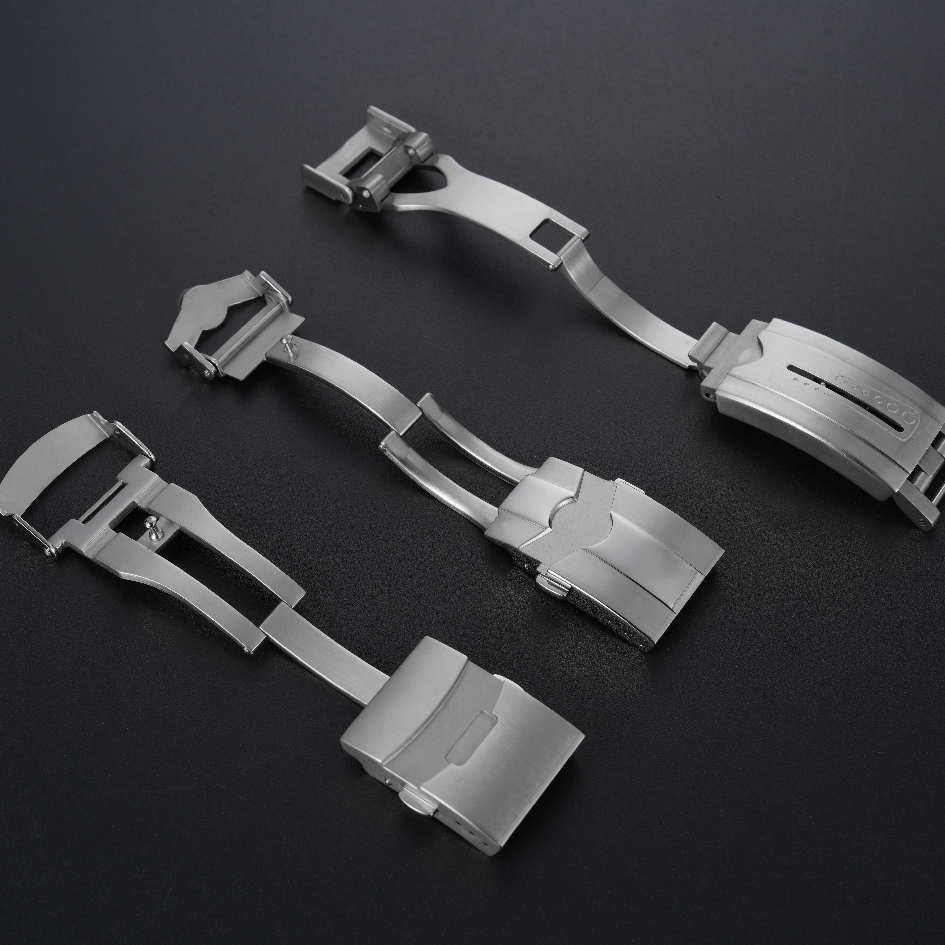
A clasp fails for one of a few reasons: the latch stops engaging, the spring loses tension, the surface wears through, or the hinge develops play. Each of those failure modes traces back to a material property. Hardness decides how fast the surface s...
VIEW MORE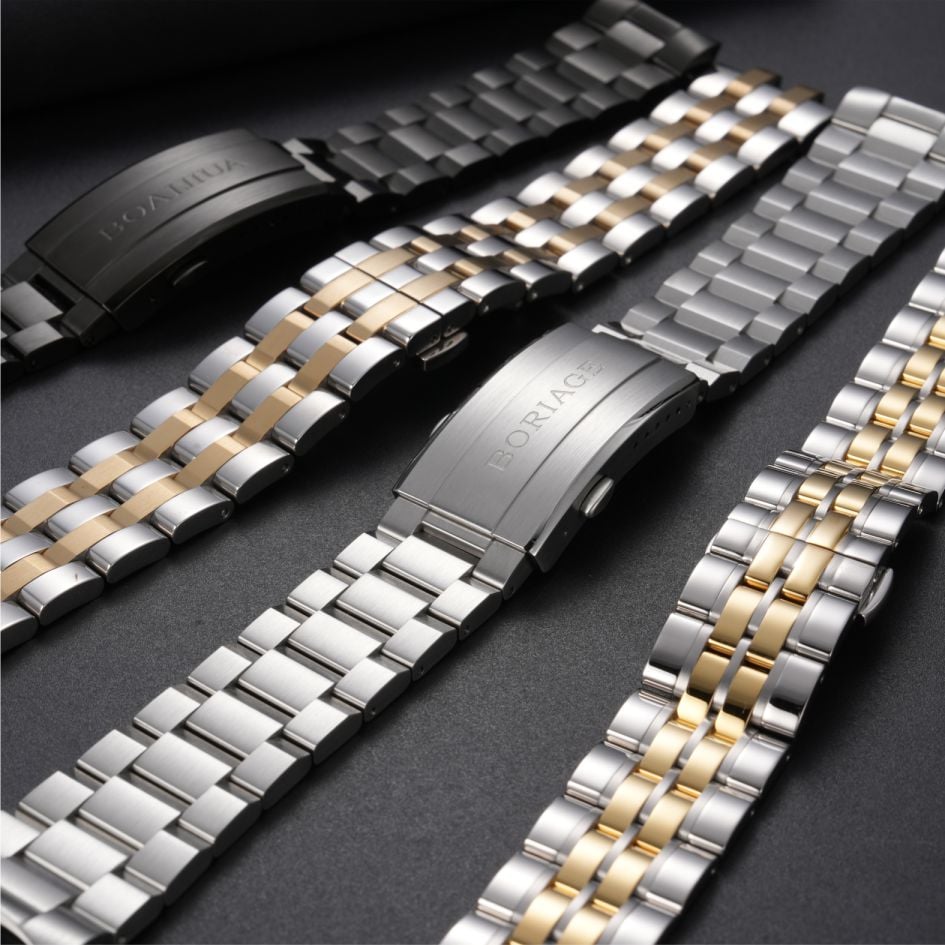
Titanium shows up on watch specifications for a reason that has little to do with marketing. It is light, it resists corrosion, and it behaves well against skin. On a watch case, those properties are nice to have. On a buckle, they matter more, becau...
VIEW MORE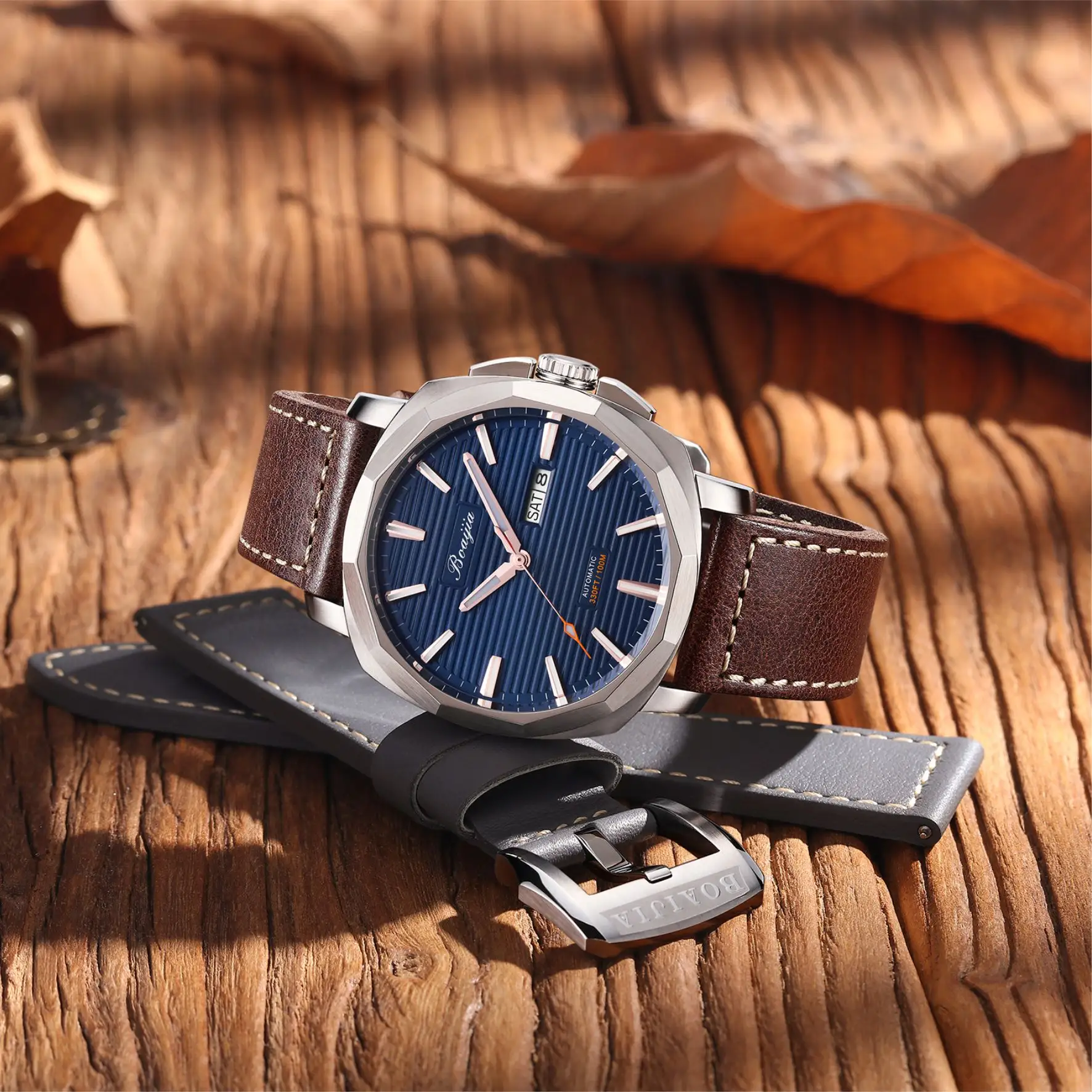
Precision rarely comes from the machine spec sheet. It comes from how the cutting tool actually behaves under load and how well the process holds that behavior consistent. A watch part, whether a case, a buckle, a bracelet link, or a dial blank, carr...
VIEW MORE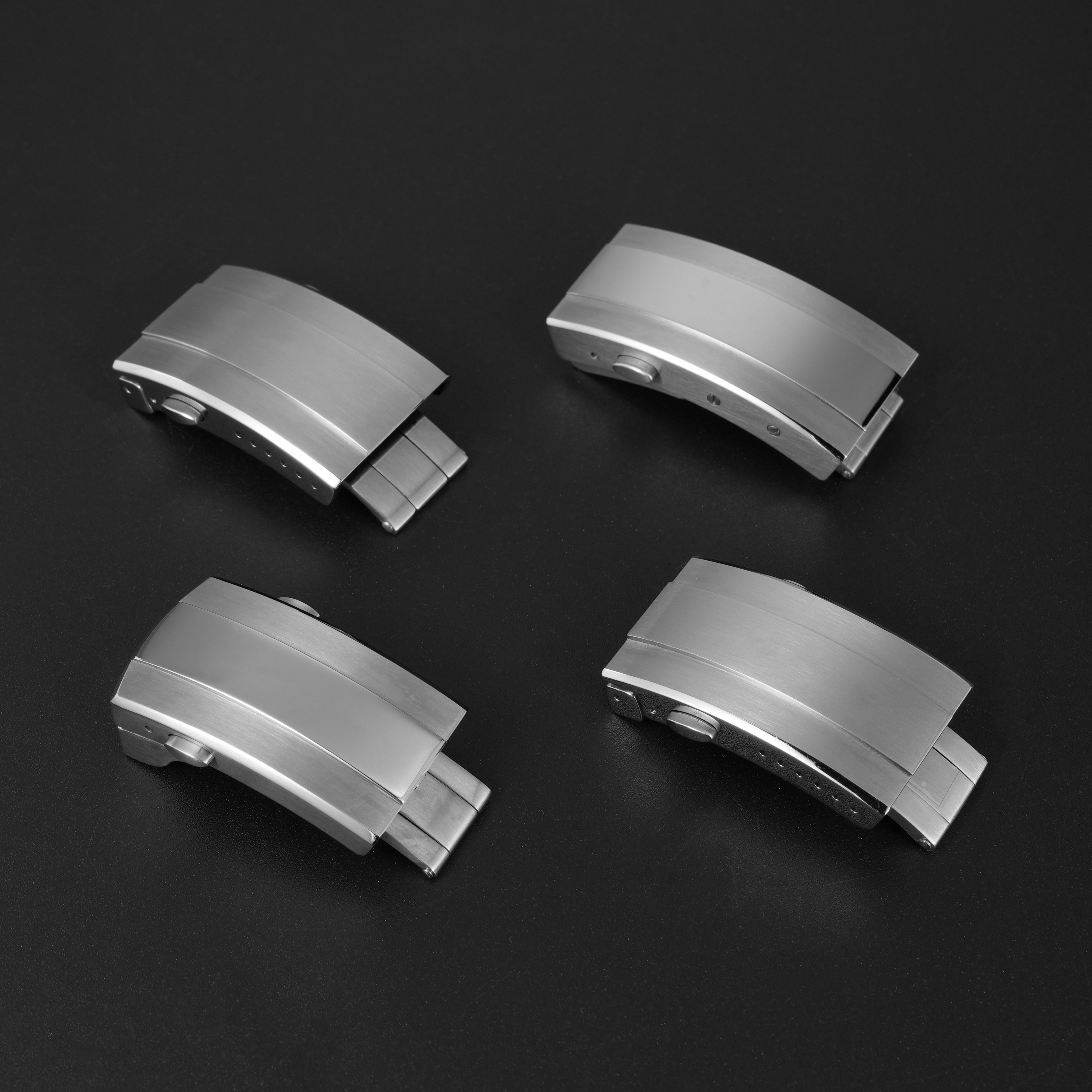
Why the Clasp Is the Brand Detail Nobody Plans For Brand identity usually gets built around the dial, the case shape, and the logo placement. Those are the surfaces that show up in product photography. The clasp sits at the other end of the product. ...
VIEW MORE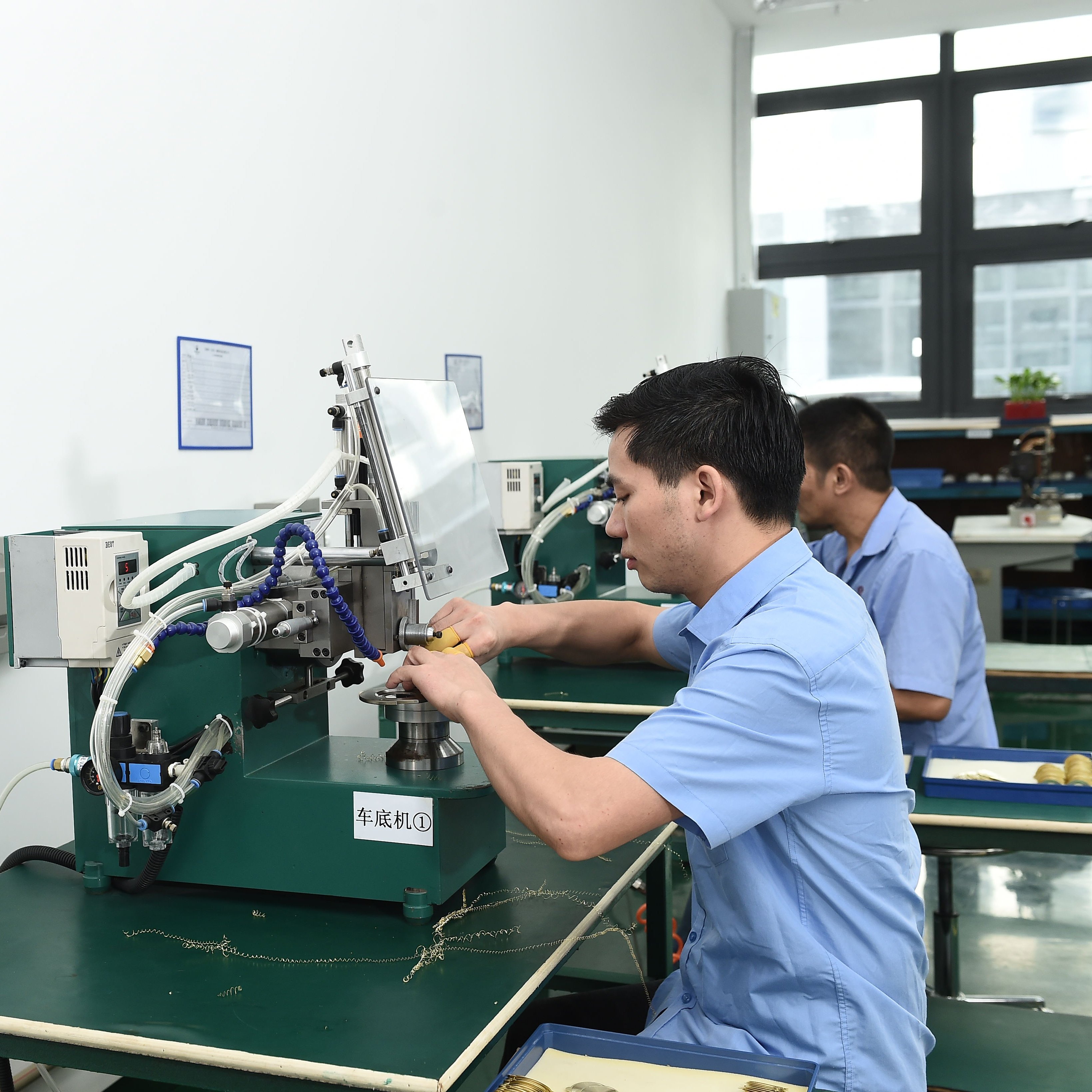
A watch dial looks like a simple printed surface. A logo, some indexes, maybe a date window frame or a small line of text near six o'clock. The visual simplicity hides a process that has very little margin. The printed layer sits under a crystal, on ...
VIEW MORE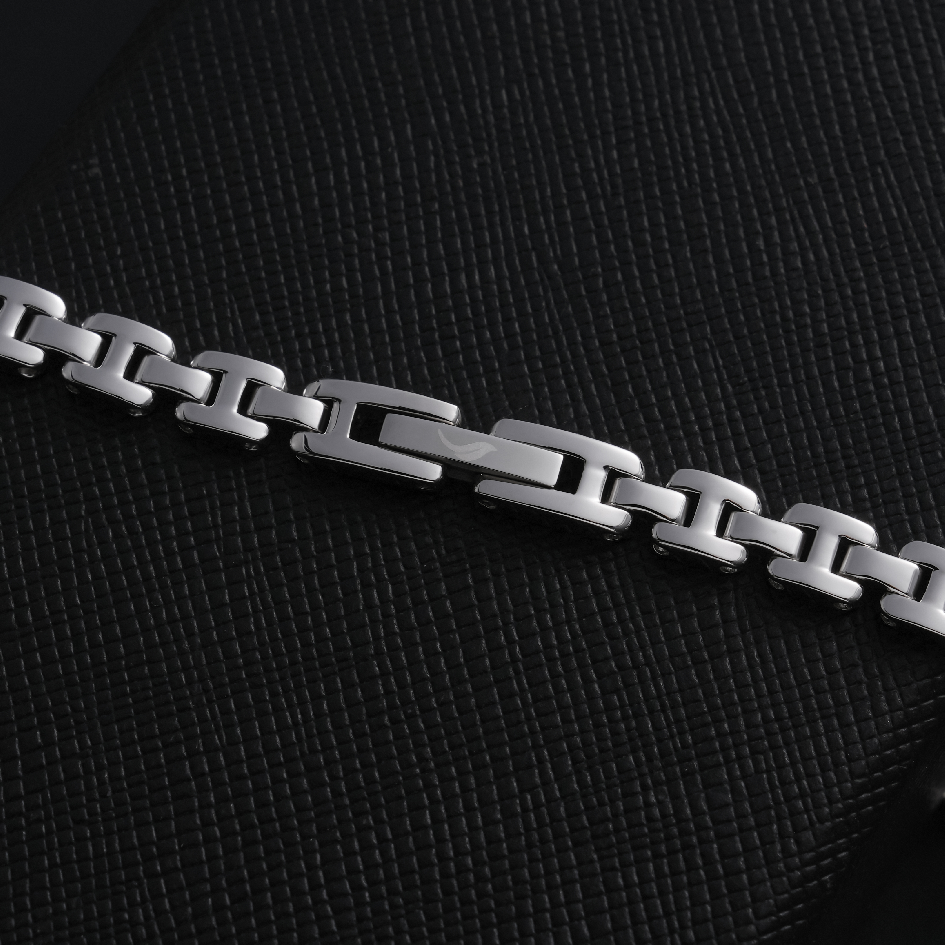
Walk through any watch buckle catalog and the options look interchangeable. Tang buckles, deployment clasps, butterfly clasps, and a few specialty designs, all shown at the same scale against a white background. The visual similarity hides the fact t...
VIEW MORE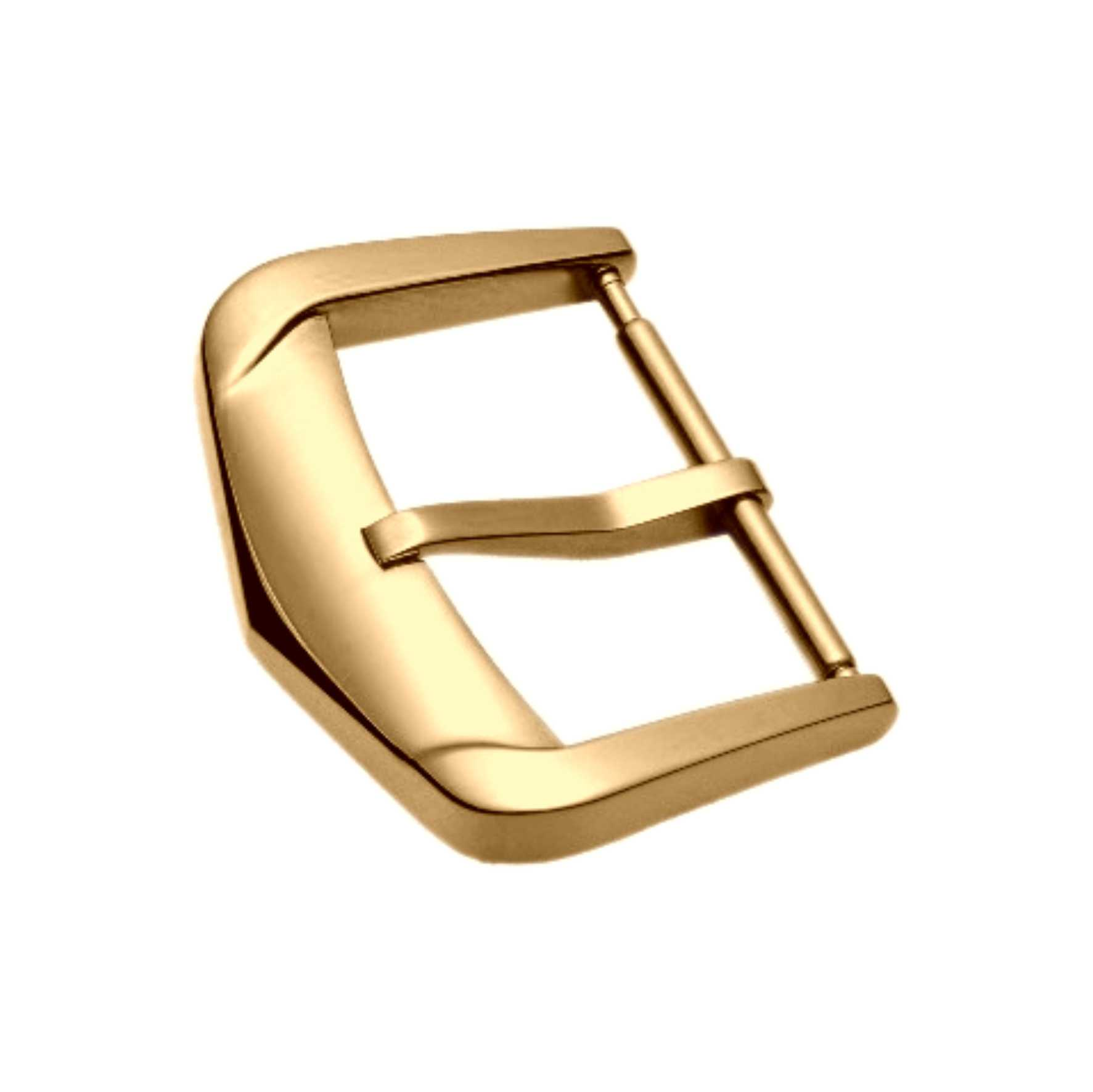
Buckle size sounds like a settled question. The strap width is fixed, the buckle has to match, and the drawing is straightforward. Then samples arrive, the buckle fits one strap and not another, and the conversation turns into a debate about whose to...
VIEW MORE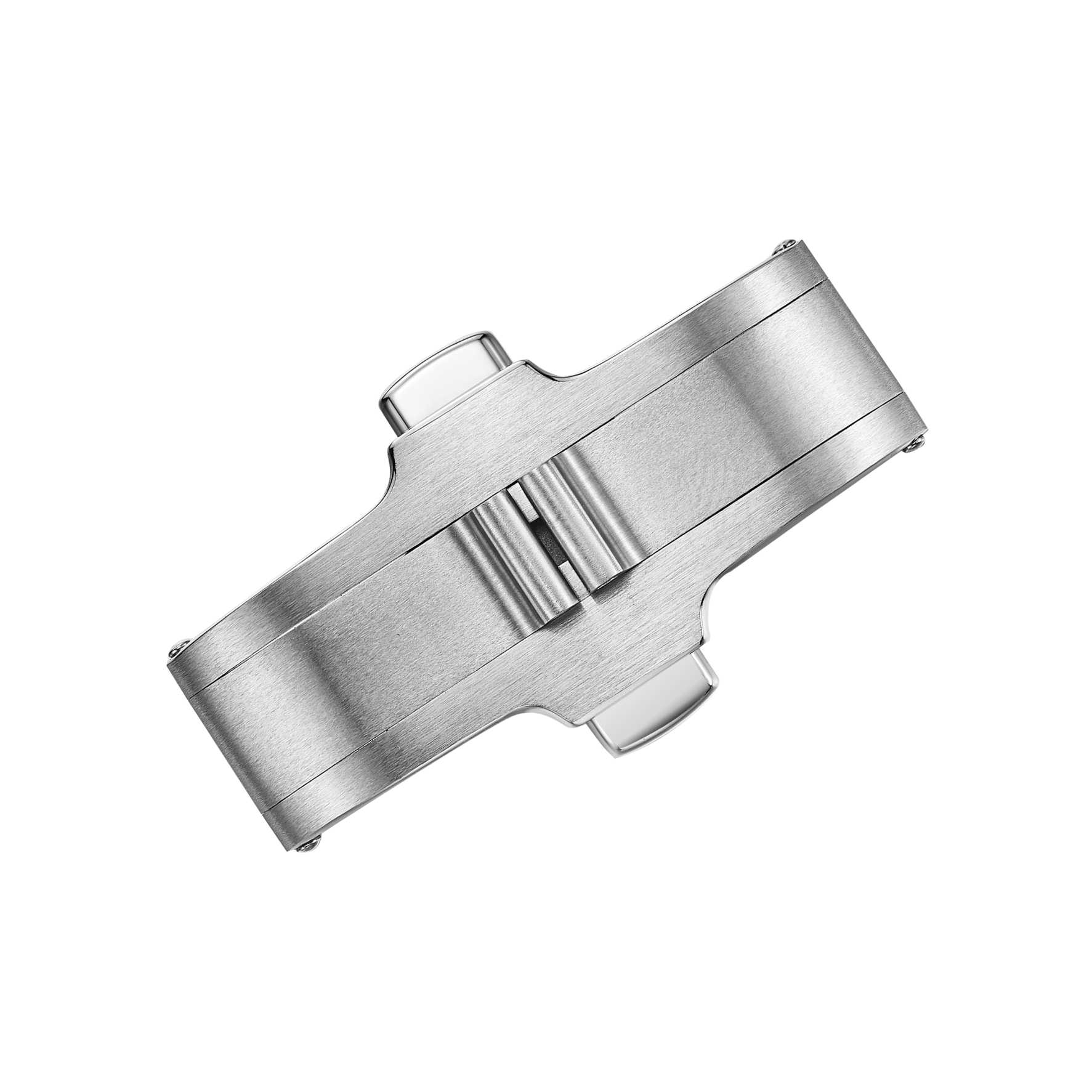
Why the Spring Pocket Sets the Tone for Everything Else Ask anyone who has spent time on a buckle line what causes the most headaches, and the answer usually lands on the spring pocket. It is a small machined or stamped cavity that holds the spring a...
VIEW MORE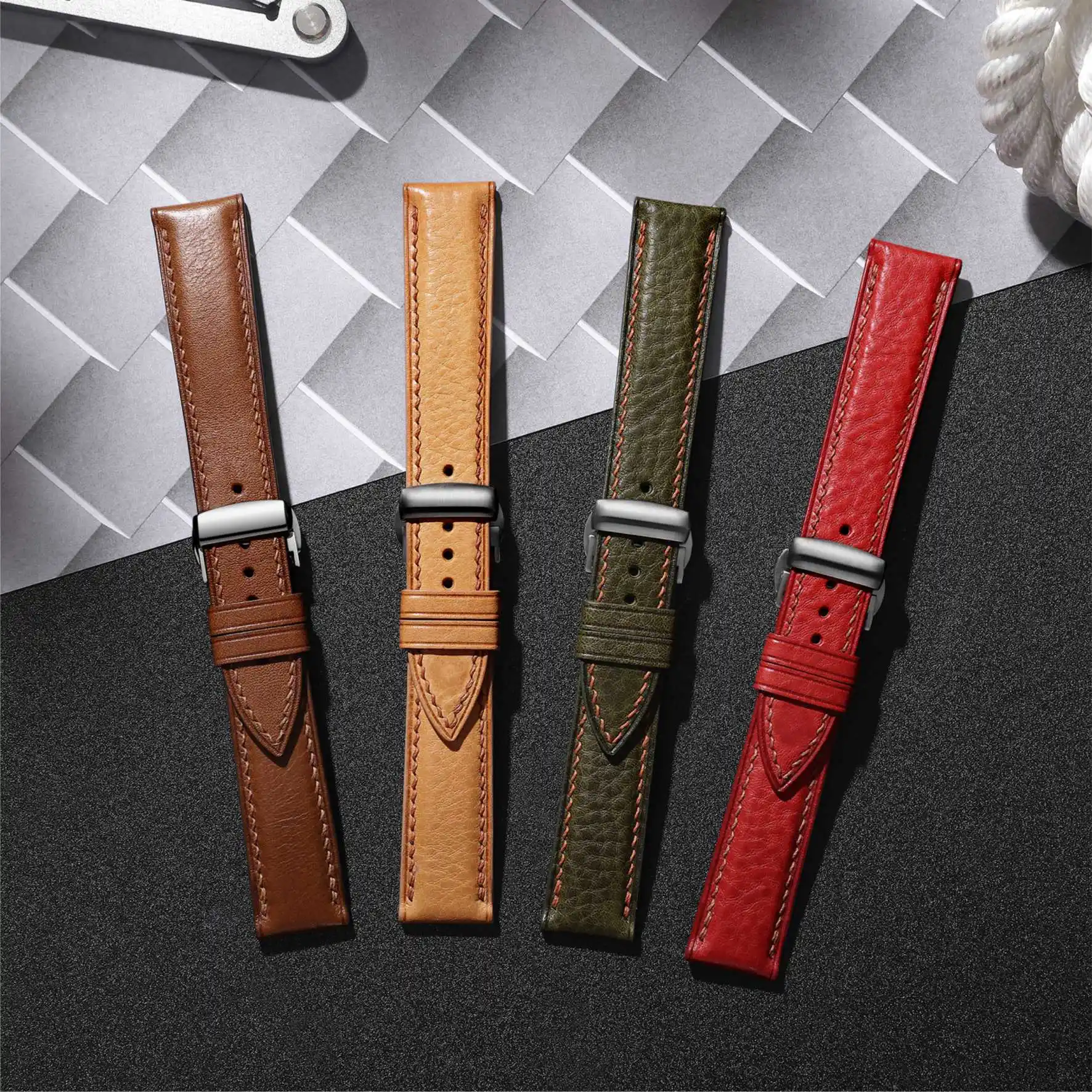
Why the Buckle Gets Noticed Last but Complained About First The watch buckle is the first component a hand touches when putting on a watch, and the first thing that fails when something goes wrong. Yet during specification, it sits behind the case, t...
VIEW MORE
Why Component-Level Checks Decide More Than a Final Look A common assumption in OEM watch projects is that quality gets sorted out at the end. The part arrives, the brand reviews it, and defects get caught before anything ships. That model only works...
VIEW MORE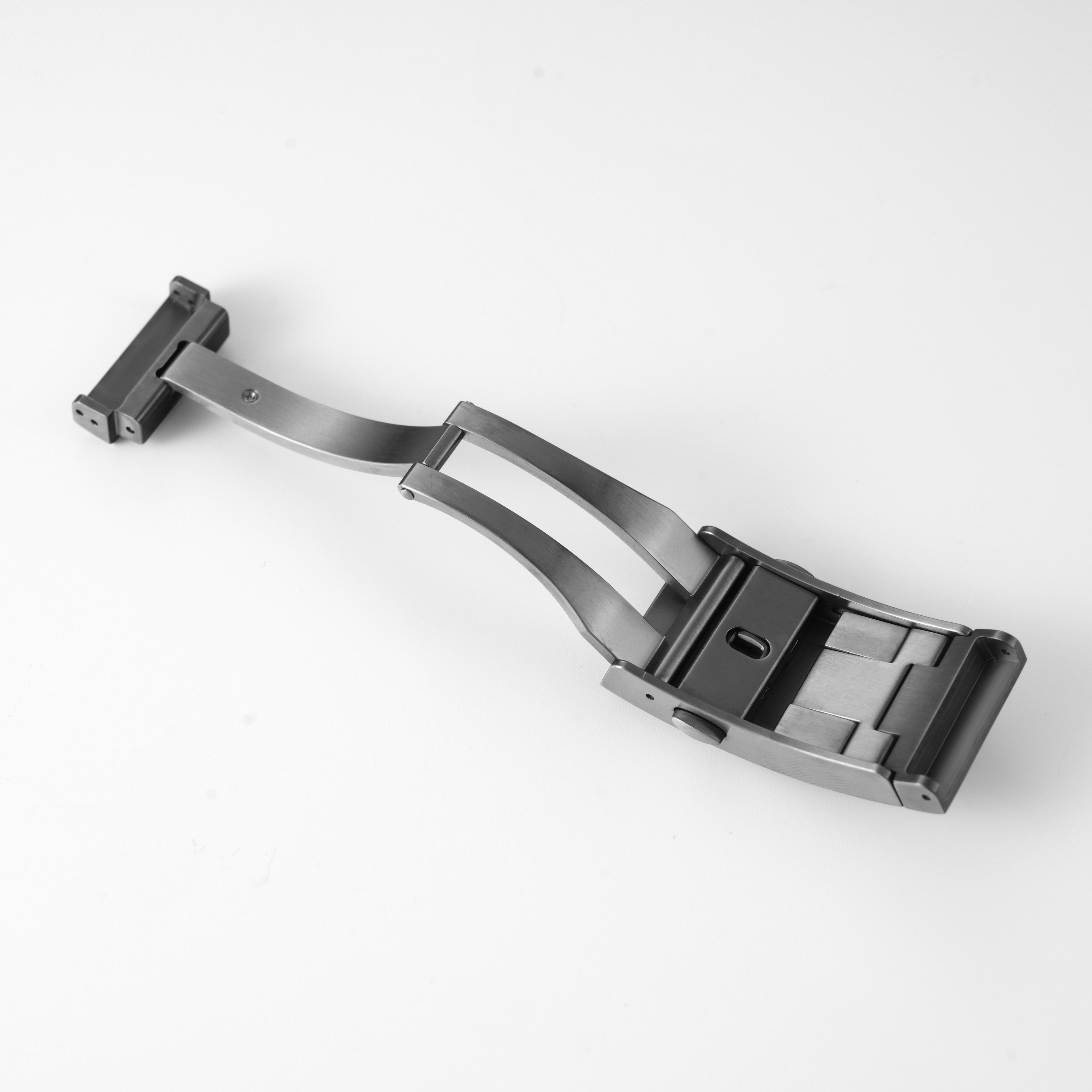
Buyers often pick a buckle the way they pick a color: by look. That approach causes problems later. A buckle that works well on a leather strap can be a poor match for a metal bracelet. A buckle that feels fine on a fabric NATO can be awkward on a th...
VIEW MORE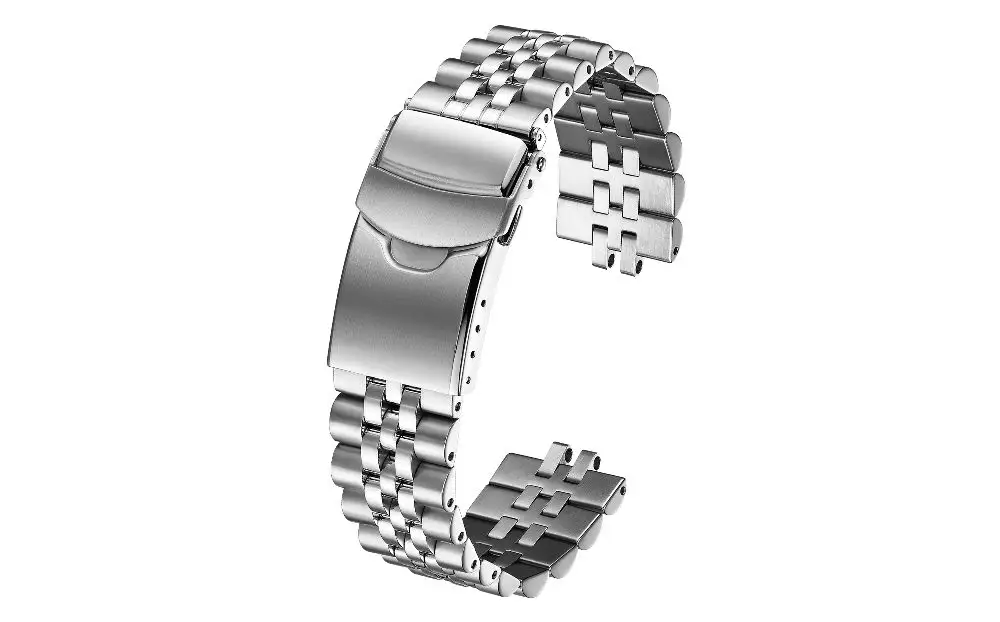
Why Bracelet Quality Is Judged by Hand, Not by Photo A bracelet photo shows shape and finish. It cannot show how the links move, how the clasp sounds, or how the bracelet sits after an hour on the wrist. Premium bracelet quality lives in those detail...
VIEW MORE
Baoruihua (Dongguan) Precision Technology Co., Ltd. is a precision watch manufacturer specializing in OEM and ODM watch components, including cases, dials, bracelets, and buckles. We provide stable production, strict quality control, and reliable supply for global watch brands. Contact us to discuss your project.
Building5, No.459 Xiecao Road, Xiegang town, Dongguan, Guangdong
Copyright © 2025 by Baoruihua (Dongguan) Precision Technology Co., Ltd. Privacy Policy
 EN