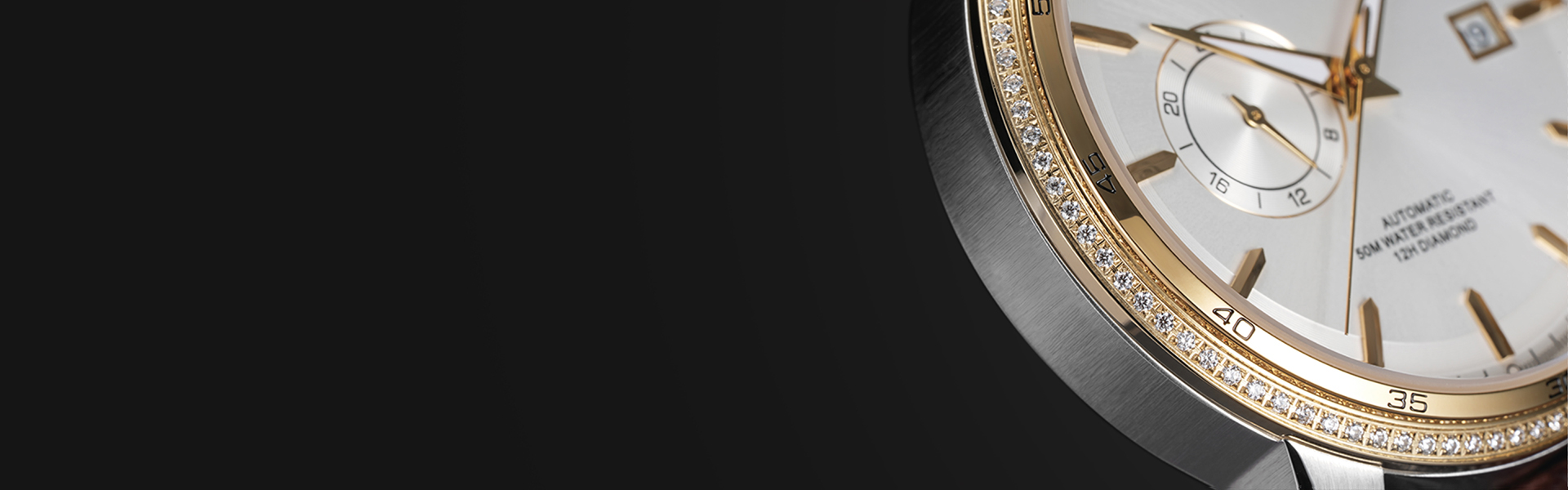
Когато става дума за производството на истински превъзходни часовници, всичко започва с начина, по който се изгражда механизъмът вътре. Часовниковите компании, които извършват всички етапи сами — от първоначалното проектиране до окончателното полиране, — срещат значително по-малко проблеми с допуските на отделните части в сравнение с тези, които извъншнилизират производството на компоненти. Според някои статистически данни такива производствени операции с вътрешна интеграция намаляват производствените грешки приблизително с 90 %. За най-важните компоненти като балансовото колело и ескапментната система машините с числов контрол (CNC) осигуряват точност на микроново ниво. Този вид контрол е от решаващо значение, тъй като гарантира стабилност на ходовете в продължение на дълги периоди. Производителите, които разчитат на външни доставчици, често се сблъскват със скъпи проблеми, свързани с качеството. Според проучване, цитирано от Ponemon през 2023 г., такива разходи възлизат приблизително на 740 000 щ.д. за година за марки с нарушени вериги за доставки. Всичко това внимание към детайлите се отразява в по-висококачествени крайни продукти с по-плавна работа, по-последователно предаване на мощността през зъбчатите предавки и по-дълги интервали между необходимите технически прегледи.
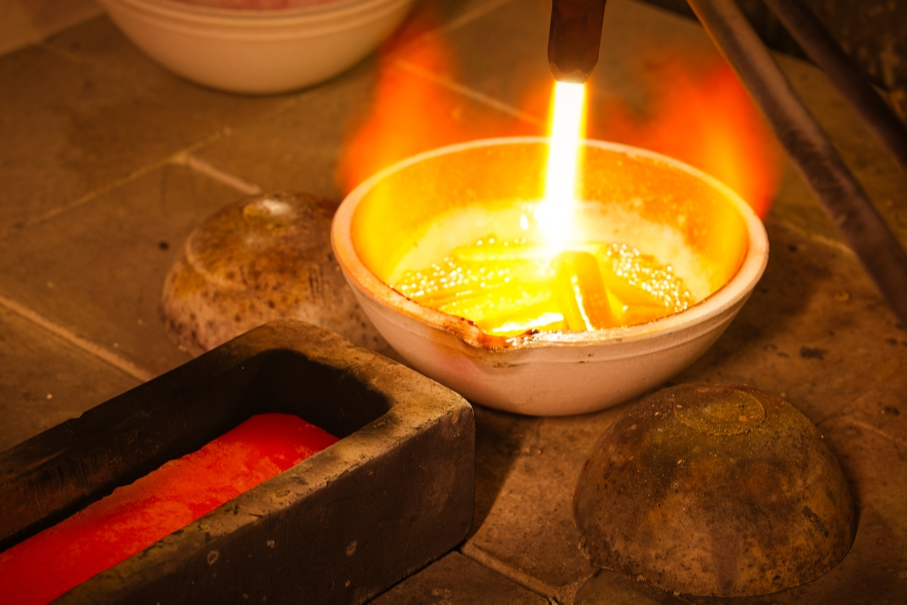
Изборът на материал определя продължителността на експлоатацията — а водещите производители прилагат строги и проследими стандарти за набавяне:
Доставчиците подлежат на тримесечни металургични одити, за да се гарантира последователност между партидите. Тази дисциплина има за цел да предотврати преждевременното износване — основната причина за гаранционни претенции при люкс часовници — като залага производителността върху проверяема материалова наука.
Разликата между водещите часовникови производители и простите сглобявачи се дължи предимно на вертикалната интеграция. Когато марките контролират всичко — от проектирането на механизми до създаването на прототипи и финалната довършителна обработка — извършени изцяло в собствените им производствени помещения, те запазват тези специални стандарти в продължение на много поколения. Този подход намалява производствените несъответствия приблизително с две трети спрямо ситуацията, при която компонентите се произвеждат навън, според проучване на Хорологичния институт от 2023 г. При използването на договорно сглобяване възниква значителна несигурност относно действителното потекло на компонентите. Такива неща като документи, които показват как метали са били подложени на термична обработка, или потвърждения, че повърхностите отговарят на изискванията за качество, често се губят по пътя. От друга гледна точка, компаниите, които се придържат към дългосрочни програми за научни изследвания и разработки, са успели да създадат забележителни неща, като например ескапменти, устойчиви на магнетизъм, или сплави, които не изискват редовно смазване. Подобни иновации просто не възникват често, освен ако производителят не е посветил поне тридесет години непрекъснат труд в подобряванията, извършвани директно в собствената му работилница.
Осязаеми, потвърдени от трета страна етапни цели потвърждават оперативната цялост:
| Метрика за проверка | Влияние върху доверието | ИНДУСТРИЕН СТАНДАРТ |
|---|---|---|
| Сертификати за хронометри | Потвърждава точност в рамките на -4/+6 секунди/ден | COSC (Швейцарски официален контрол на хронометрите) |
| Активни патенти | Демонстрира устойчива иновативност | 5+ нови механизма/десетилетие |
| Производствен обем | Отразява мащабируемост на системата за качество | 50 000+ движения/година |
Когато часовниковите майстори изпращат поне 70 % от произведените от тях часовници за сертифициране от COSC, тези часовници обикновено запазват точността си около 45 % по-добре в продължение на пет години, според данните от Timepiece Metrics за 2022 г. Компаниите с патенти върху неща като начините, по които екранират часовниците срещу магнитни полета, специалните смазки, които използват в механизма, или новите сплави, които са разработили, обикновено притежават здрава инженерна експертиза. А ако произвеждат последователно големи количества от тези сертифицирани часовници? Това говори много за техните възможности да произвеждат качествени часовници в големи мащаби. Всъщност всички тези измерими стандарти дават на клиентите нещо реално, на което да се осланят — нещо, което обикновените маркетингови твърдения просто не могат да постигнат, когато става дума за точността на часовниците.
Сертификатите като COSC и METAS всъщност проверяват дали часовниците са надеждни, като ги подлагат отново и отново на стандартизирани изпитания. Процесът за сертифициране по COSC подлага голите часовникови механизми на около две седмици изпитания, при които се оценява тяхното поведение в различни положения, при различни температури и общата им стабилност по отношение на точността. Одобряват се само часовници, които губят не повече от 4 секунди или спечелват не повече от 6 секунди на ден. METAS отива още по-далеч, като добавя условия, с които се сблъскваме в ежедневието. Представете си магнитни полета с интензитет до 15 000 гауса или проникване на вода там, където не би трябвало да е. Тези строги изпитания разкриват проблеми, които никой не би забелязал при обичайните проверки – например неравномерно нанесени смазки или различно разширение на компонентите при загряване. Според проучване, публикувано миналата година, часовниците с правилно сертифициране запазват почти цялата си първоначална точност (около 98 %) в продължение на пет години, докато несертифицираните часовници намаляват точността си до около 76 %. Когато производителите успеят да издържат и двете серии изпитания, това показва, че наистина се грижат за качествения контрол на всеки етап от производствения процес – от проектирането на вътрешните механизми до монтирането на окончателната задна капачка. Това доказва, че добре изработените часовници не се получават случайно, а са резултат от внимателно планиране и прецизна реализация.
Гаранционните периоди са само началото, когато става въпрос за отговорност. Най-добрите марки запазват стойността на своите часовници с течение на времето благодарение на глобални сервизни мрежи и резервни части, които остават достъпни години след прекратяване на производството. Компаниите със сервизни центрове в повече от петдесет страни обикновено отстраняват проблемите приблизително деветдесет процента по-бързо в сравнение с другите. Важни части като спирални пружини, осцилатори и предавателни механизми продължават да се складират дори десетилетия след спиране на производството на съответните модели. Този подход предотвратява остаряването на часовниците и отговаря на очакванията на собствениците на луксозни изделия относно инвестициите им. Наличието на ясни регистри на резервни части и последователно обучение на техниците показва истинска оперативна здравина. А зад всичко това? Пълен контрол върху целия производствен и логистичен процес прави възможно изпълнението на тези ангажименти от самото начало.
Добрият следпродажбен сервиз, който остава последователен с течение на времето, показва истинска вяра в първоначалното качество на продукта. Компаниите, които предлагат доживотен сервиз за своите продукти, обикновено разполагат със специализирани инструменти за калибриране, водят подробни записи за техническите характеристики и обучават собствения си персонал, вместо да разчитат на външни ремонтни центрове за извършване на важни поправки. Сервизните центрове, които възстановяват тези продукти точно според първоначалния им дизайн, използвайки оборудване, проследимо до официалните стандарти, доказват, че конструкцията издържа при реална ежедневна употреба. Цялата тази взаимосвързана система създава истинска надеждност, а не просто говори за нея. Когато компанията гарантира поддръжка на своите продукти завинаги — не само чрез гаранции, но и чрез действителна техническа поддръжка, — това фактически осигурява, че всеки компонент отговаря на изискванията за качество. Съответствието между обещаното и действително предоставеното създава истинско доверие сред клиентите.
Вертикалната интеграция в производството на часовници означава, че една компания извършва всички етапи на производството в собствени цехове — от дизайн до окончателна сглобка — за да гарантира контрол върху качеството и еднородността.
Сертификацията от COSC е важна, защото потвърждава точността на часовника, като проверява дали той работи в строго определения диапазон на хронометричната точност, което гарантира надеждност и качество.
Часовниците от висок клас често използват хирургическа неръждаема стомана марка 316L за корпусите, лабораторно произведена сапфирена кристална стъкленица и пружини от кремний с хронометричен клас за ескапментите, за да се осигури издръжливост и висока производителност.
Часовниковите компании гарантират дългосрочна поддръжка чрез поддържане на глобални мрежи за сервизно обслужване, наличност на основни резервни части в продължение на десетилетия и водене на подробни сервизни документи и програми за обучение на персонала.
 Горчиви новини
2026-06-01
2026-05-27

Baoruihua (Dongguan) Precision Technology Co., Ltd. е специализиран производител на прециозни часовници, който се занимава с OEM и ODM компоненти за часовници, включително корпуси, циферблати, гривни и пряпки. Ние осигуряваме стабилно производство, строг контрол на качеството и надеждно доставяне за глобални часовникови марки. Свържете се с нас, за да обсъдите вашия проект.
Сграда 5, №459 улица Сиецао, град Сиеgang, град Донггуан, провинция Гуандун
Всички права запазени © 2025 Baoruihua (Dongguan) Precision Technology Co., Ltd. Политика за поверителност
 EN
EN