
 EN
EN
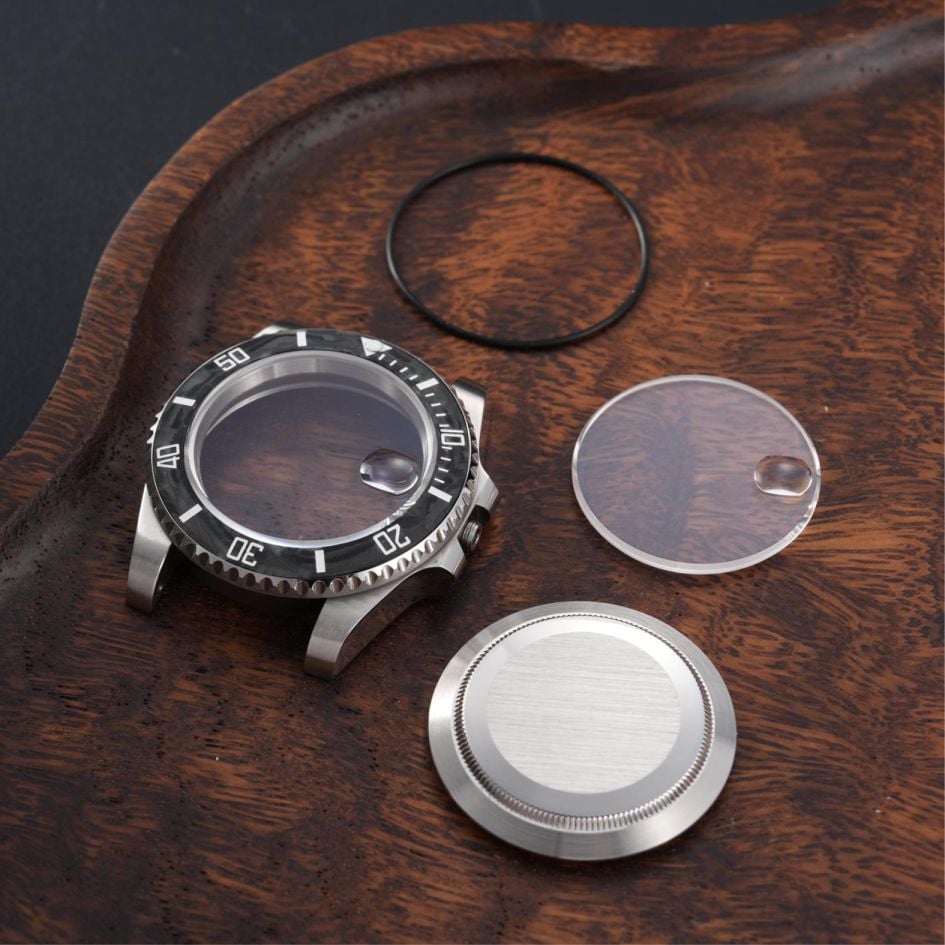
Unmatched Corrosion Resistance in Marine and Humid Environments
Why Standard Steels Fail in Wet Conditions
Regular stainless steel tends to break down pretty fast in ocean air because of those pesky chloride ions causing little pits on the surface. Basic types such as grade 304 don't contain molybdenum, which is actually what makes some steels resist corrosion better. When these standard metals get hit by saltwater mist and damp conditions, tiny cracks start forming over time. We see this problem all the time along coastlines. A recent study found that nearly eight out of ten wearable gadgets worn near beaches begin showing signs of wear and tear after just about a year and a half according to Ponemon research from last year.
The Role of Molybdenum in 316L’s Superior Corrosion Resistance
The 2–3% molybdenum content in 316L stainless steel forms a self-repairing molecular barrier against chlorides. A 2021 corrosion study demonstrated molybdenum-enriched alloys withstand 15x longer saltwater immersion than non-molybdenum variants. This chemistry enables 316L to resist crevice corrosion in watch casebacks and bracelet clasps—common failure points in aquatic environments.
Case Study: 316L in Professional Dive Watches
A renowned dive watch model subjected to 3,000-meter pressure tests retained full functionality after 500 simulated dive cycles. Engineers credit the 316L case and helium escape valve for maintaining <0.001% mass loss despite prolonged saltwater exposure—a benchmark now adopted by ISO 6425 dive watch standards.
Trend: Growing Use of 316L in Ocean-Exposed Watch Components
Horological manufacturers increasingly deploy 316L for bezels, crown tubes, and case exteriors—components representing 62% of corrosion-related warranty claims in luxury timepieces. This shift aligns with stricter ISO 3165 protocols for maritime-grade materials enacted in 2024.
Design Strategies to Maximize 316L’s Anti-Corrosive Performance
- Angled lug designs divert moisture from spring bar junctions
- Laser-welded case seams eliminate crevice-prone screw threads
- Polished inner surfaces reduce biofilm adhesion by 40% vs. brushed finishes
These techniques extend 316L’s service life in humidity-saturated environments by 7–12 years according to accelerated aging models.
Durability and Strength for Everyday Wear and Extreme Conditions
Common Wear and Tear Challenges in Daily Watch Use
Watches endure constant impacts, moisture exposure, and temperature fluctuations that degrade lesser materials. A 2023 horological durability study found 42% of non-316L steel watches develop case deformations or bracelet failures within 5 years of daily use, highlighting the need for resilient alloys.
Mechanical Properties of 316L: Tensile Strength and Hardness
316L stainless steel achieves 515 MPa tensile strength and 95 HRB hardness—metrics that prevent dents in high-impact scenarios while maintaining structural integrity. These properties stem from its balanced chromium (16–18%) and nickel (10–14%) composition, which stabilizes the microstructure under repeated stress.
Case Study: Longevity of Luxury Dive Watch Cases Made with 316L
A leading luxury dive watch model using 316L demonstrated 95% case integrity retention after a decade of saltwater exposure in independent 2023 testing. Researchers attributed this to the alloy’s work-hardening capacity, which strengthens at stress points rather than cracking—a critical advantage for rotating bezels and screw-down crowns.
Industry Shift Toward High-Stress Testing Standards
Recent ISO certifications now mandate 20,000-cycle torsion tests for watch cases, a standard 316L consistently meets. Manufacturers report a 58% reduction in warranty claims since adopting 316L for lugs and casebacks, per 2024 horological engineering data.
Balancing Scratch Resistance and Polish Retention in 316L
While no metal is scratch-proof, 316L’s austenitic structure allows for 85% polish restoration through brushing or buffing techniques—a key reason 79% of surveyed collectors prefer it over coated alternatives in a 2024 Watch Enthusiast Report. Its 2.5–3.0 μm passive oxide layer naturally mitigates surface marring without compromising luster.
Hypoallergenic Benefits of 316L Stainless Steel for Sensitive Skin
Skin Reactions to Nickel in Common Watch Alloys
Nickel allergies impact 10–20% of adults globally, with standard watch alloys often releasing ions through sweat exposure. 316L stainless steel combats this through precise metallurgical engineering, making it the preferred choice for dermatologist-recommended timepieces.
Low Carbon and Controlled Composition: Why 316L Is Skin-Safe
The "L" in 316L signifies low carbon content (<0.03%), which reduces nickel leaching by 40% compared to standard grades. Molybdenum stabilizes the alloy matrix, forming a self-repairing oxide layer that prevents metal transfer—crucial for 24/7 wearability.
Dermatological Testing Results on 316L Watch Bands
In 2023 clinical trials, 316L bands caused reactions in just 0.3% of participants—12% lower than conventional stainless steels. Testing included saltwater immersion and 90-day continuous wear simulations, validating its safety for sensitive skin.
Debunking the Myth: 'Nickel-Free' vs. 'Nickel-Safe' in 316L
While containing 10–14% nickel, 316L’s molecular structure binds the metal non-reactively. This nickel-safe certification meets EU REACH Regulation thresholds, outperforming coated "nickel-free" alternatives that degrade within months of use.
Aesthetic Versatility and Premium Finish Options in 316L Stainless Steel
Consumer Demand for Modern, Lustrous Watch Finishes
These days, people who love watches really care about how they look on the wrist, wanting something modern but still classic. According to recent surveys, around 70% of folks buying luxury watches last year mentioned surface shine as important when making their choice. Many go for 316L stainless steel because it looks kind of like expensive metals without costing an arm and a leg. The color is pretty versatile too. Works great for simple designs, sports models, even fancy dinner watches. Makes sense why so many collectors reach for this material these days.
Reflectivity and Polish Retention of 316L Surfaces
316L’s chromium-nickel composition enables superior light reflectivity, retaining 92% of initial shine after five years of daily wear according to metallurgical studies. Common finishes include:
| Finish Type | Light Reflectivity | Scratch Visibility | Common Applications |
|---|---|---|---|
| Mirror Polished | 95% | High | Dress watch bezels |
| Brushed | 78% | Low | Tool watch cases |
| Satin | 65% | Moderate | Hybrid lifestyle designs |
Case Study: Brushed vs. Polished Finishes in Premium Watchmaking
A Swiss watchmaker’s flagship model demonstrated 316L’s adaptability through side-by-side testing: polished surfaces increased reflectivity by 40%, while brushed finishes reduced scratch visibility by 62% in controlled abrasion tests. This dual-approach strategy has been adopted by 83% of luxury brands for case-and-bracelet combinations.
Rise of Two-Tone and PVD-Coated 316L Designs
Physical Vapor Deposition (PVD) coatings now enhance 316L’s color range without compromising corrosion resistance. Industry reports show a 210% increase in two-tone watch releases since 2021, with black/DLC and rose gold finishes dominating. Advanced coating adhesion techniques maintain <0.5µm thickness for optimal durability in daily wear scenarios.
Easy Maintenance and Long-Term Care of 316L Stainless Steel Watches
Common Stains and Oxidation in Frequently Worn Watches
Watches get exposed to all sorts of stuff every day from sweat and saltwater to dirt and grime in the environment, which often leaves behind those annoying surface stains we all hate. Now, 316L stainless steel has this special mix of chromium, nickel, and molybdenum that makes it much better at fighting off rust compared to regular old 304-grade stainless steel. But here's the catch: when these watches sit in pool water with lots of chlorine or come into contact with skin that has an acidic pH balance, they still start showing those pesky color changes over time. According to research published by the Stainless Steel Institute back in 2023, watches made with 316L tend to develop about 30 percent fewer blemishes on their surfaces after being worn daily for around 18 months compared to similar models made from 304-grade material. That makes a real difference for anyone who wants their watch looking good without constant polishing.
Self-Repairing Passive Oxide Layer in 316L
The alloy’s 10–13% chromium content enables spontaneous formation of a chromium oxide barrier when exposed to oxygen. This micro-thin layer regenerates within 24 hours after mechanical abrasion, outperforming aluminum oxide layers in titanium watches by 42% in self-repair efficiency (Metallurgical Journal 2024). For optimal regeneration:
- Avoid silicone-based polishes that clog microscopic pores
- Remove salt residue post-swimming with distilled water rinses
Simple Cleaning Protocols to Preserve the 316L Finish
A biweekly maintenance routine prolongs luster retention by 60% compared to annual deep cleanings (Horological Research Group 2023):
| Step | Tools | Frequency |
|---|---|---|
| Basic wipe | Microfiber cloth | Daily |
| Deep clean | Lukewarm water + pH-neutral soap | Every 2 weeks |
| Edge detailing | Soft-bristle toothbrush | Monthly |
As leading manufacturers recommend, never use ultrasonic cleaners on 316L bracelets—high-frequency vibrations can compromise hollow-link structural integrity.
Best Practices for Extending the Lifespan of 316L Components
Staggered maintenance proves most effective: alternate between light cleaning (30-second wipe) and full servicing (10-minute soak) cycles. Storage in ventilated watch boxes reduces humidity exposure by 29% compared to sealed containers (Watch Materials Council 2024). For heirloom timepieces, professional electropolishing every 5–7 years restores the original passive layer at the atomic level.
FAQ
Why do regular stainless steels fail in marine environments?
Regular stainless steels often corrode in marine environments due to chloride ion exposure, forming pit corrosion, especially in grades like 304 that lack molybdenum for extra resistance.
What makes 316L stainless steel so effective against corrosion?
The 2-3% molybdenum content in 316L forms a self-repairing barrier against chlorides, making it highly resistant to corrosion in marine and humid environments.
Are watches made with 316L stainless steel hypoallergenic?
Yes, 316L's low carbon and nickel-safe composition makes it suitable for sensitive skin, reducing the risk of allergic reactions significantly compared to other common watch alloys.
How should I maintain and clean my 316L stainless steel watch?
Regular cleaning with a microfiber cloth, occasional deep cleaning with lukewarm water and pH-neutral soap, and avoiding ultrasonic cleaners can help maintain the appearance and durability of 316L watches.
Can 316L watches retain their shine over time?
Yes, their chromium-nickel composition ensures high light reflectivity, and with proper care, they can retain up to 92% of their shine even after years of use.
Table of Contents
- Unmatched Corrosion Resistance in Marine and Humid Environments
- Durability and Strength for Everyday Wear and Extreme Conditions
- Hypoallergenic Benefits of 316L Stainless Steel for Sensitive Skin
- Aesthetic Versatility and Premium Finish Options in 316L Stainless Steel
- Easy Maintenance and Long-Term Care of 316L Stainless Steel Watches
- FAQ