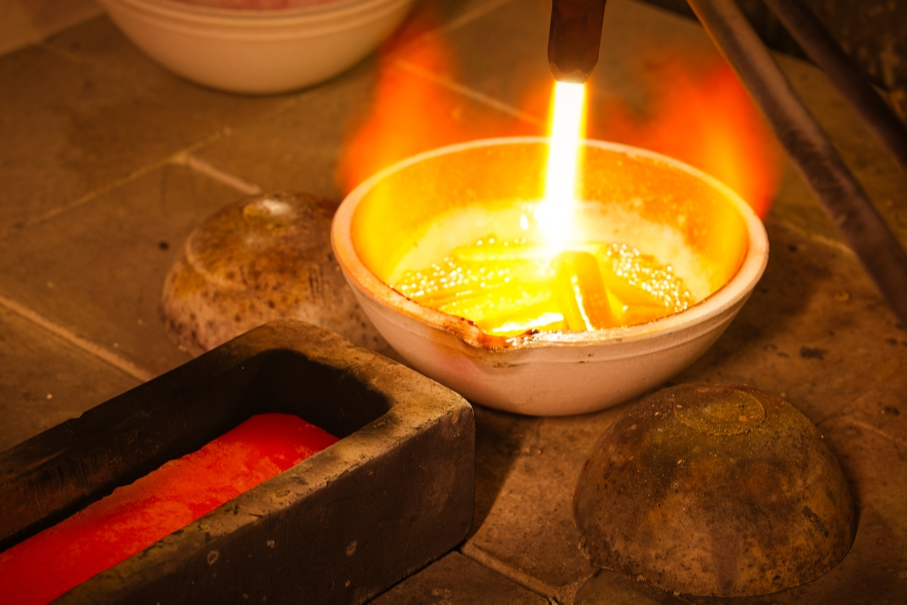
When it comes to ODM (Original Design Manufacturer) watch customization, brands get to create unique watches without starting from scratch. The manufacturers already have all the designs and technical know-how in place. What suppliers do is handle everything from coming up with ideas to getting parts sourced, while the brand just focuses on changing things people see, like the dial face, strap options, how the case looks, and adding their logo somewhere. For companies looking to bring products to market faster without spending a fortune on research and development, this approach works really well. They can skip reinventing the wheel since there are already tested platforms available and supply chains that work efficiently.
When it comes to OEM partnerships (Original Equipment Manufacturers), brands need to provide all sorts of technical specs right down to the nitty gritty stuff like movement types, materials used, exact dimensions, and even looks. The manufacturers basically follow these plans without adding much of their own design flair. Sure, OEM gives companies total control over patents and engineering decisions, but that comes at a price. Brands have to invest heavily in their own design teams and expect longer wait times for products to come together. What really sets them apart is who owns the designs. With ODM, the supplier keeps control. But under OEM arrangements, the client holds all the cards. Because of this difference, ODM options tend to be faster and cheaper while still allowing some level of customization. Meanwhile, OEM lets brands create something truly unique, though they'll probably end up spending more money and waiting longer than expected.
| Factor | ODM Watch Customization | OEM Watch Manufacturing |
|---|---|---|
| Design Responsibility | Manufacturer-led | Brand-led |
| Customization Depth | Moderate (surface-level: dials, straps, finishes, logos) | High (full engineering, movement integration, structural design) |
| Time-to-Market | 3–6 months | 6–12+ months |
When it comes to ODM projects, the process typically starts with joint brainstorming sessions where brands work hand in hand with manufacturers. Designers leverage CAD software to turn abstract brand elements like voice, target demographic, and market position into actual specs that can be built. During this stage, teams look at current market trends, test different materials for practicality, and create multiple versions of watch cases, face designs, and how the product sits on the wrist. With digital prototypes, they can tweak size ratios, readability factors, and comfort aspects long before making physical samples. Experience shows that most companies get their final look right after two or three design iterations, balancing creative vision against what's actually possible given tooling limitations and assembly requirements throughout production.
Component selection directly shapes perceived quality, performance, and brand alignment. Reputable ODM partners guide strategic decisions grounded in function and audience expectations:
Ceramic bezels, for instance, maintain color fidelity over time better than PVD-plated alternatives—critical for heritage or sport-oriented branding. The goal is balancing material integrity with target price architecture to preserve both authenticity and commercial viability.
Efficient ODM production relies on clarity and forward-looking planning:
| Factor | Standard Parameters | Scalability Considerations |
|---|---|---|
| Minimum Order Quantity | 500–1,000 units | Phased delivery options support staggered launches or regional rollouts |
| Prototyping Lead Time | 4–6 weeks | Concurrent sampling allows rapid validation of multiple variants (e.g., dial colors, strap materials) |
| Full Production | 8–12 weeks | Initial tooling and line setup enables future reorders at ~30% reduced lead times—without quality trade-offs |
Manufacturers with ISO 9001-certified quality systems embed traceability and consistency into every batch, ensuring repeatable excellence across scaling phases.
ODM watch customization transforms standardized platforms into authentic brand expressions. Thoughtful visual and tactile modifications build recognition, reinforce values, and deepen emotional connection—with precision that reflects craftsmanship, not compromise.
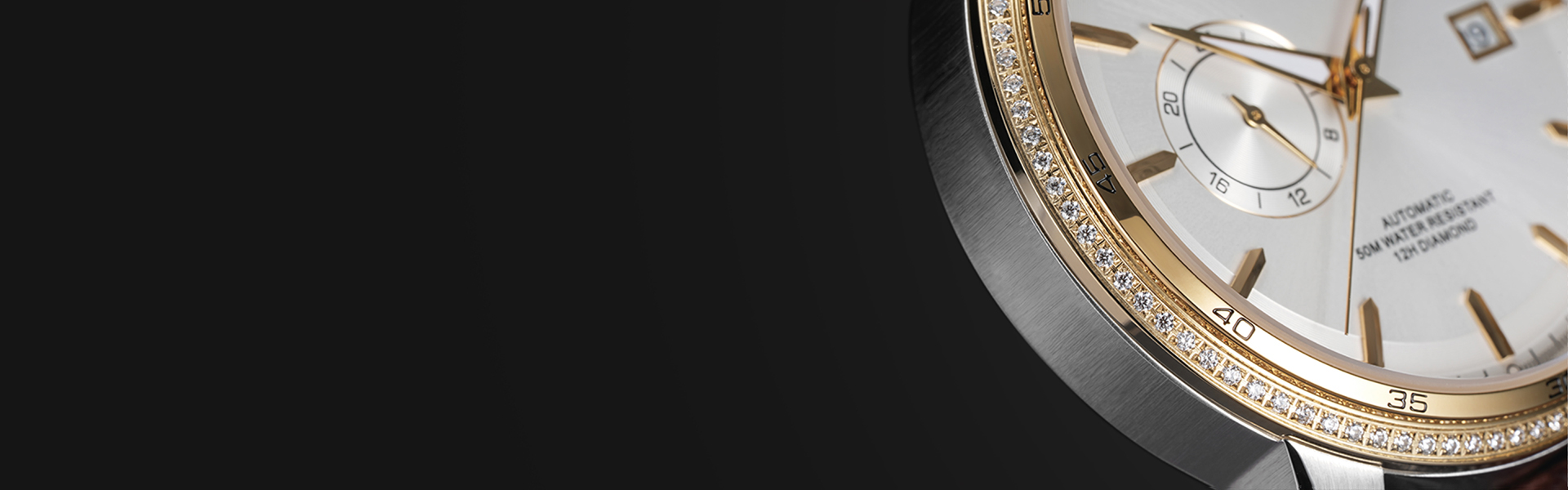
Watches tell stories through their dials, which serve as the main storytelling surface. Working with ODM partners allows brands to apply Pantone matched colors using methods like pad printing, enamel filling, or lacquering. This opens up possibilities for gradient effects, sunburst textures, and glowing hour markers while maintaining consistent quality across production batches. On case backs, manufacturers can incorporate deep engraving work, laser etched details, or even custom medallions that might include company slogans, symbolic imagery, or special edition numbers. When it comes to logos, there are plenty of options too ranging from subtle metal appliques pressed into the surface to hidden UV reactive elements beneath the glass. Every finish choice matters whether it's matte, brushed metal, sunburst patterns, or textured surfaces because these finishes affect how light plays off the watch face, what it looks like at different angles, and how it feels when someone touches it. All these design decisions ultimately impact consumer perceptions and help build lasting memories around the brand.
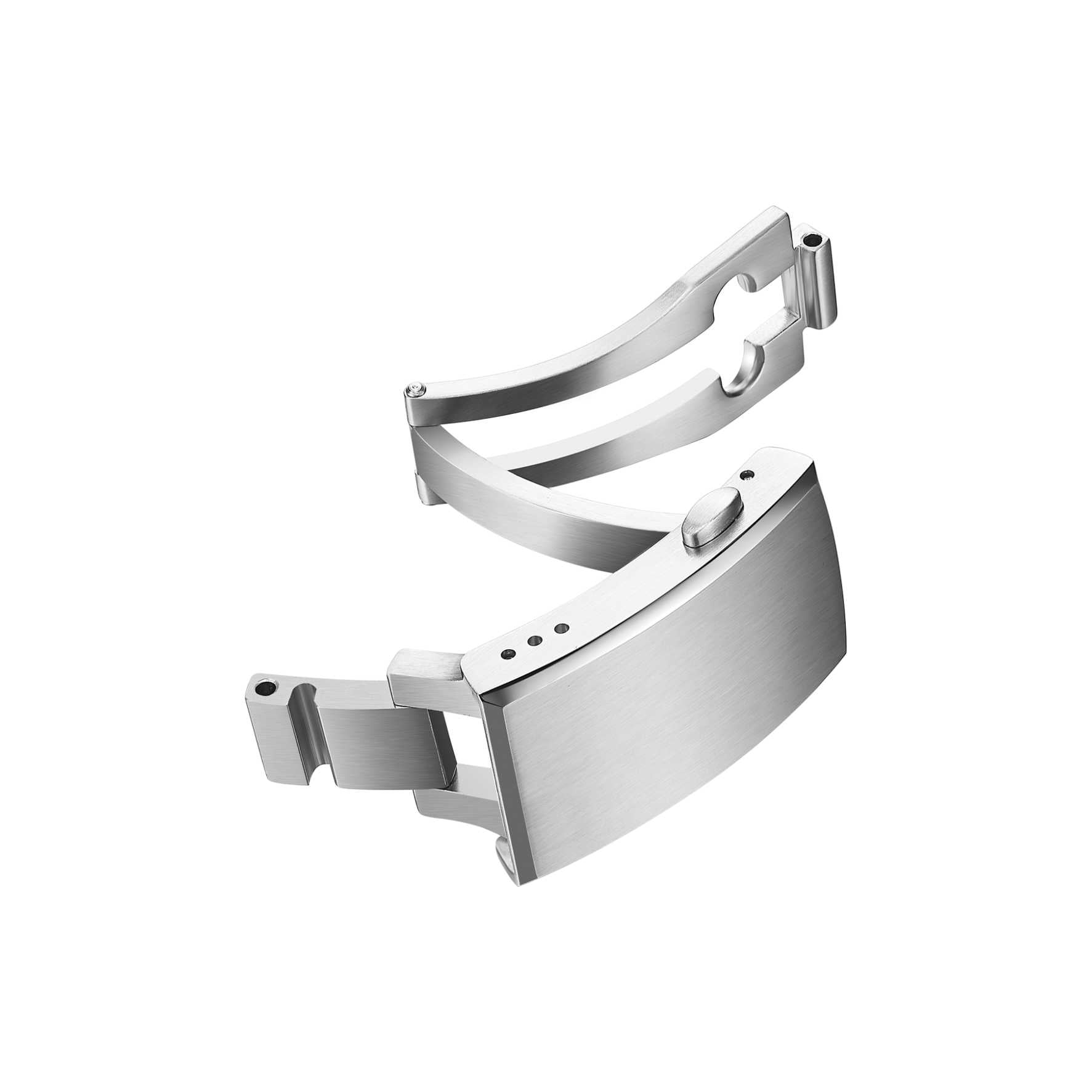
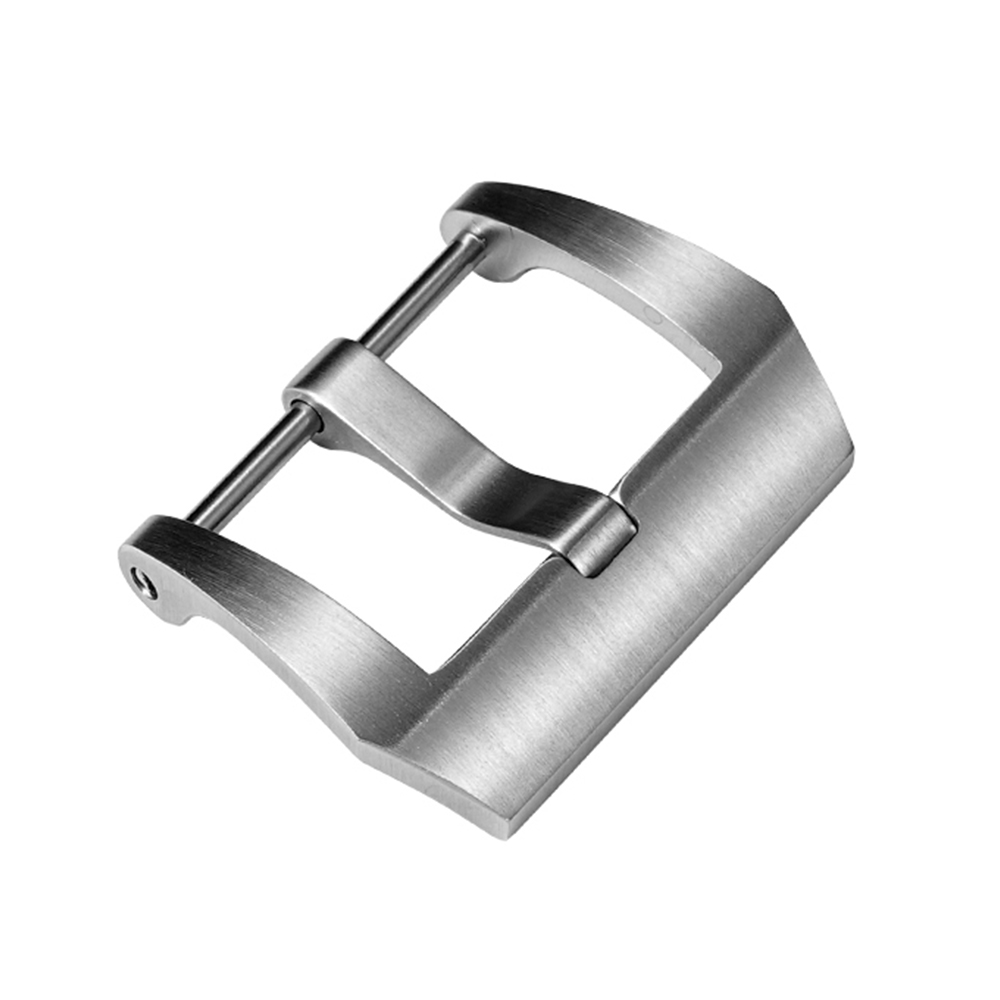
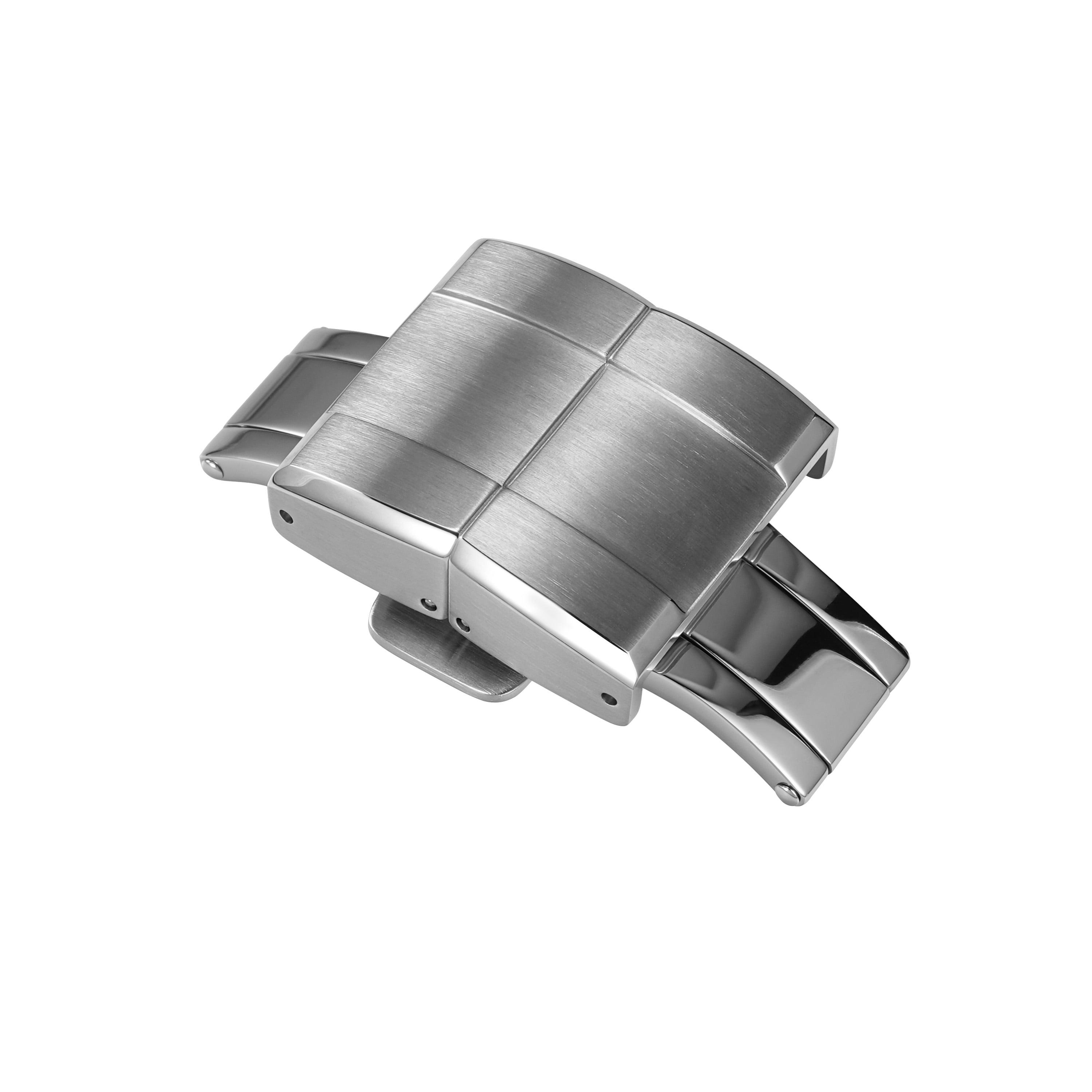
The strap makes all the difference for how someone feels wearing a watch and what style statement they want to make. Full grain leather straps develop that beautiful aged look over time, while vegan alternatives offer a softer texture that still looks great. For active lifestyles, FKM rubber stands out because it holds up so well during workouts. Metal bracelets come in various grades like 316L stainless steel or even lightweight titanium with those fancy adjustable systems that let wearers fine tune fit. Buckles themselves tell stories too. Some watches have distinctive branded clasps that pop right away, others use quick release systems for easy swapping, and then there are those fancy deployment folds where the brand name gets etched into every detail. Surface finishes matter just as much. Brushed surfaces give off a subtle modern vibe, polished ones catch light beautifully for that luxury feel, and sandblasted options create that nice tactile matte finish many collectors love. These details really come together when they match the brand's overall identity. A minimalist design might stick to simple brushed steel, while something rugged could go for heavy duty rubber with bold engravings. At their best, these choices transform watches from mere accessories into pieces people truly identify with.
Picking the right ODM watch manufacturer matters a lot for more than just getting products made right. It affects how credible the brand appears and whether it can grow over time. Look for makers who have real experience in the field, hold ISO 9001 certifications, and actually show their quality control processes. Recent research from 2023 showed something alarming: almost half (around 47%) of all product recalls were linked back to problems with suppliers' quality standards. That makes checking out potential partners absolutely essential before signing anything. When visiting factories either online or in person, pay close attention to where materials come from, how tools are calibrated for precision work, and what paperwork exists regarding regulations like RoHS and REACH compliance. Also make sure they can handle production volumes that match what the business expects over three to five years without cutting corners on finish quality. Don't forget about intellectual property protection either. The best partnerships involve clear agreements protecting designs, logos, and packaging elements while maintaining open lines of communication throughout development. Top manufacturers don't just build watches; they offer advice and help weigh decisions around launch timing versus standing out in market versus maintaining ethical standards. With such support, launching the first collection becomes much smoother, and future collections will feel like logical next steps rather than random shots in the dark.
ODM watch customization allows brands to create unique watches quickly and cost-effectively without starting from scratch. Manufacturers handle technical aspects, and brands can focus on design elements like dials and straps.
ODM manufacturers offer existing designs that brands can customize, while OEM involves creating new designs from provided specifications. ODM is typically faster and more cost-effective, whereas OEM allows for greater control and uniqueness at a higher cost and time investment.
Choose partners with industry experience, ISO 9001 certifications, and demonstrated quality control processes. Ensure the partner can handle expected production volumes and protects intellectual property.

Baoruihua (Dongguan) Precision Technology Co., Ltd. is a precision watch manufacturer specializing in OEM and ODM watch components, including cases, dials, bracelets, and buckles. We provide stable production, strict quality control, and reliable supply for global watch brands. Contact us to discuss your project.
Building5, No.459 Xiecao Road, Xiegang town, Dongguan, Guangdong
Copyright © 2025 by Baoruihua (Dongguan) Precision Technology Co., Ltd. Privacy Policy
 EN
EN
 Hot News