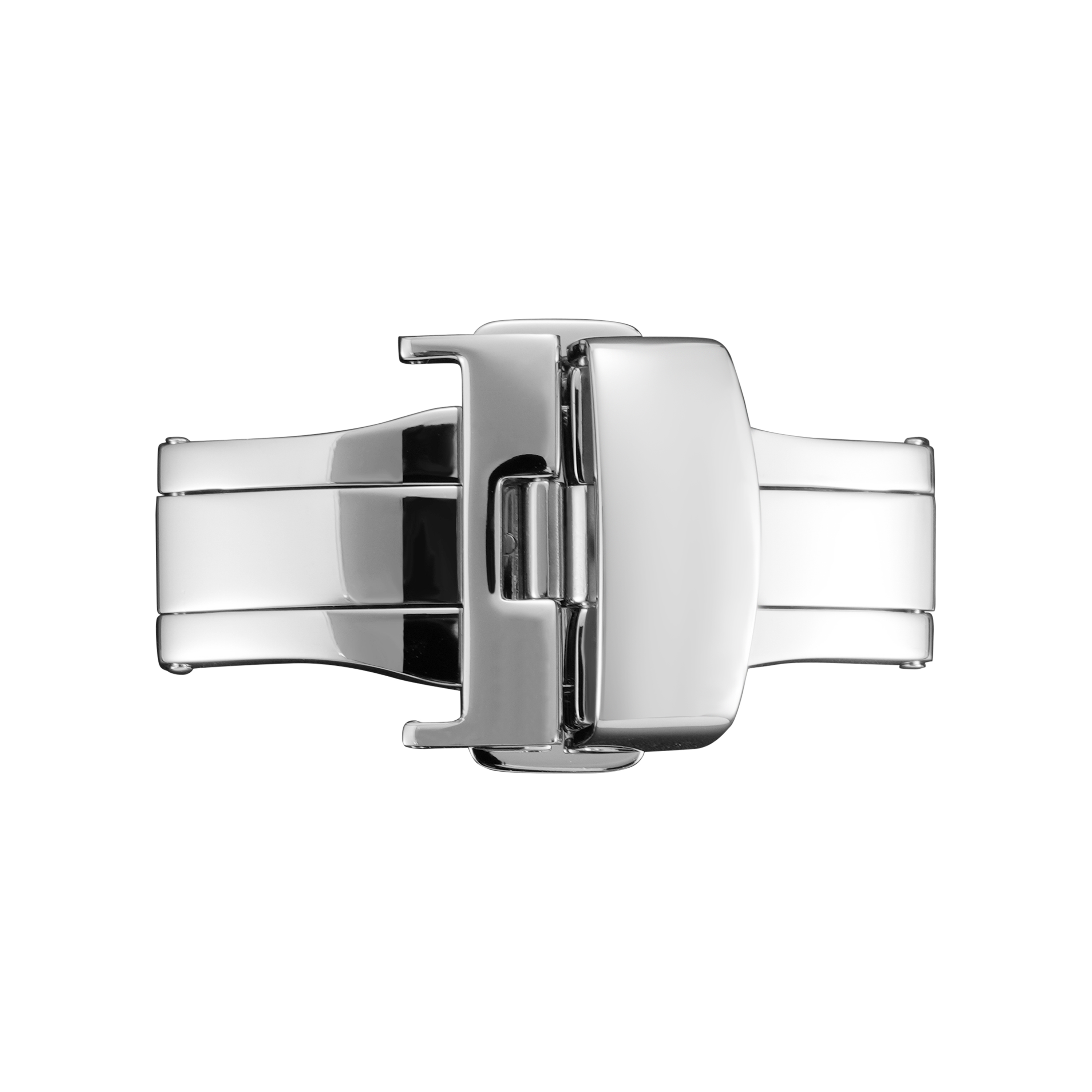
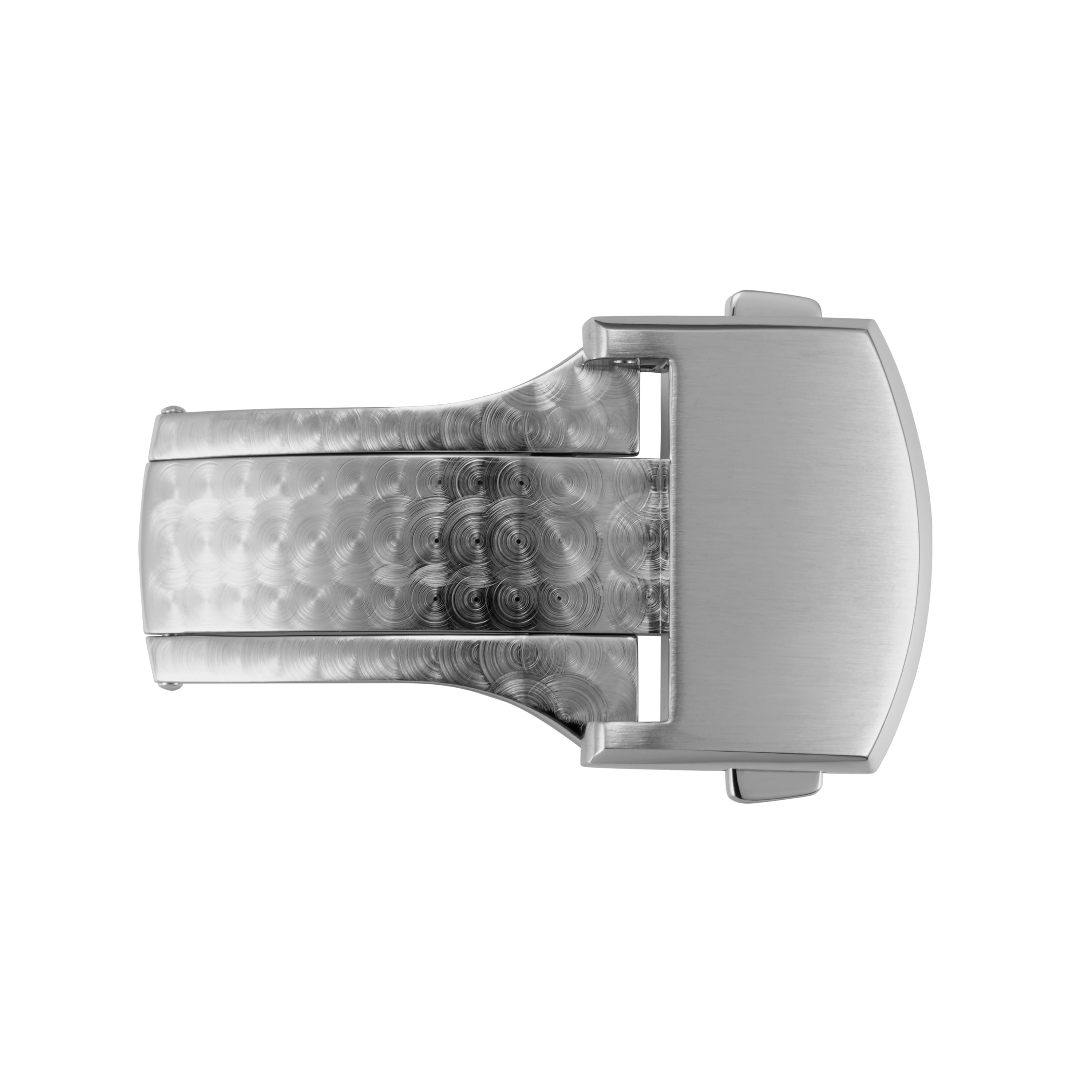
The push button deployment clasp offers one motion security that works great for people who are always on the move. When engaged, it clicks into place with a satisfying sound and holds firm against sideways pulls of over 50 Newtons. The internal spring system means no more struggling to fasten or unfasten when switching between activities such as mountain biking or rock climbing. These clasps feature reinforced hinges made from specially treated stainless steel that won't bend or warp even when subjected to heavy impacts. Lab tests have shown these buckles maintain their grip around 98 out of 100 times after going through more than ten thousand stress tests. That kind of reliability makes them stand out as top performers among watch closures in tough situations where regular buckles might fail.
In harsh conditions where gear failure isn't an option, safety deployments incorporate redundant locking features through dual-system setups. The main latch holds everything together, but there's also a separate sliding bar or flip mechanism that works on its own - so someone actually has to make two conscious moves before anything comes loose. These kinds of locks really cut down on unexpected releases during accidents like those sudden wipeouts mountain bikers face or when rocks hit hard against equipment. According to testing done out in the field, these double protection systems slash accidental openings by around 87 percent over basic single locks. That means wrists stay safely secured whether someone is pounding trails, paddling rapids, or doing pretty much anything else where movement matters most - even underwater or after hours of constant shaking from rough terrain.
Diver clasps are built to last in water environments, made from special stainless steel that stands up against saltwater rust even after long periods underwater. These clasps have a spring mechanism that makes adjustments easy with just one hand, which works great even when wearing thick diving gloves. There's also this extra strap design as backup. If somehow the main part breaks while diving, the second strap catches everything before it slips off completely. For anyone who spends time below the surface, having reliable clasps isn't just convenient it's actually life saving since a loose connection can lead to serious problems down there.
Butterfly clasps are all about getting things done quickly thanks to those hidden push buttons that let folks snap them shut fast when switching between activities. The problem comes with those fancy folding hinges though. They just don't hold up well under rough conditions found in sports such as rock climbing or even playing tennis regularly. Some tests show these hinges start to break down after about 18 months if someone wears them every day without rest. That makes butterfly clasps pretty unreliable for anyone involved in contact sports where accidents happen often. Sure they work great for people who need to put jewelry on and take it off multiple times throughout the day, but serious athletes looking for something that lasts longer would be better served by going with reinforced deployants or classic diver style systems which tend to stand up better over time.
For high-intensity activities demanding sweat management and quick adjustments, NATO, Zulu, and hook-and-loop straps offer versatile alternatives to rigid metal clasps–balancing airflow, adaptability, and field-proven resilience.
Nylon straps excel in moisture-wicking and friction resistance, with key distinctions across variants:
All three trace their heritage to military specifications: NATO’s single-pass construction ensures the watch stays secured even if a spring bar fails; Zulu’s robust build handles extreme thermal and mechanical stress; and Rally’s airflow-focused design mitigates heat buildup during motorsports or endurance events.
The adjustability of hook and loop closures is hard to beat, though picking the right materials matters a lot when these are used for sports gear. Marine grade options hold up surprisingly well, maintaining around 90% of their grip strength even after being submerged in salt water 200 times. Standard closures tell a different story though they start losing about 15 to 20% of their stickiness once exposed to salt water instead of regular tap water. Sunlight takes a real toll on these fasteners too, wearing down fibers at about 30% faster rate than what happens with nylon alternatives. And let's not forget about sand getting stuck in there somewhere. A little beach debris can actually reduce how strong the bond remains by nearly half. Want these closures to last? Make sure to give them a good rinse whenever they've been through water activities or dusty environments.
New materials are changing how active wear meets real world needs by finding the sweet spot between cushioning impacts, letting air circulate, and keeping everything stable where it matters most. The medical grade rubber used in many straps does a great job soaking up vibrations when someone is pounding pavement or lifting weights, plus it won't irritate sensitive skin like cheaper alternatives sometimes do. When manufacturers weave nylon with tiny holes throughout, they create fabrics that乾 dry much quicker than regular solid nylon fabric studies have shown somewhere around 40% faster actually. Some clever combinations work wonders too. Take those silicone rubber blends that stay flexible even under stress but still hold their shape where needed. Or think about nylon wrapped around rubber cores that breathe well yet stand up to rough treatment. All these improvements mean less twisting force on buckles and better grip whether athletes are racing through snow covered trails or sweating through a marathon in scorching heat conditions.
The push-button deployant clasp offers one motion security and strain-resistant locking, making it ideal for high-intensity activities. It holds against sideways pulls of over 50 Newtons and is reliable even after extensive stress tests.
Safety deployant clasps use a dual-lock mechanism, requiring two conscious movements to open, significantly reducing unexpected releases during dynamic activities.
Diver clasps are corrosion-resistant, can be operated with one hand, and have over-strap redundancy, ensuring reliability and safety in underwater conditions.
Butterfly clasps are not durable in repetitive impact environments due to their folding hinges, which can degrade over time with regular use.
NATO straps use thinner nylon, Zulu variants have thicker weaves with higher tear resistance, and Rally designs incorporate perforations for better sweat wicking.
The longevity of hook-and-loop fasteners is affected by exposure to saltwater, sunlight, and debris. Proper maintenance like rinsing can help preserve their strength.

Baoruihua (Dongguan) Precision Technology Co., Ltd. is a precision watch manufacturer specializing in OEM and ODM watch components, including cases, dials, bracelets, and buckles. We provide stable production, strict quality control, and reliable supply for global watch brands. Contact us to discuss your project.
Building5, No.459 Xiecao Road, Xiegang town, Dongguan, Guangdong
Copyright © 2025 by Baoruihua (Dongguan) Precision Technology Co., Ltd. Privacy Policy
 EN
EN
 Hot News