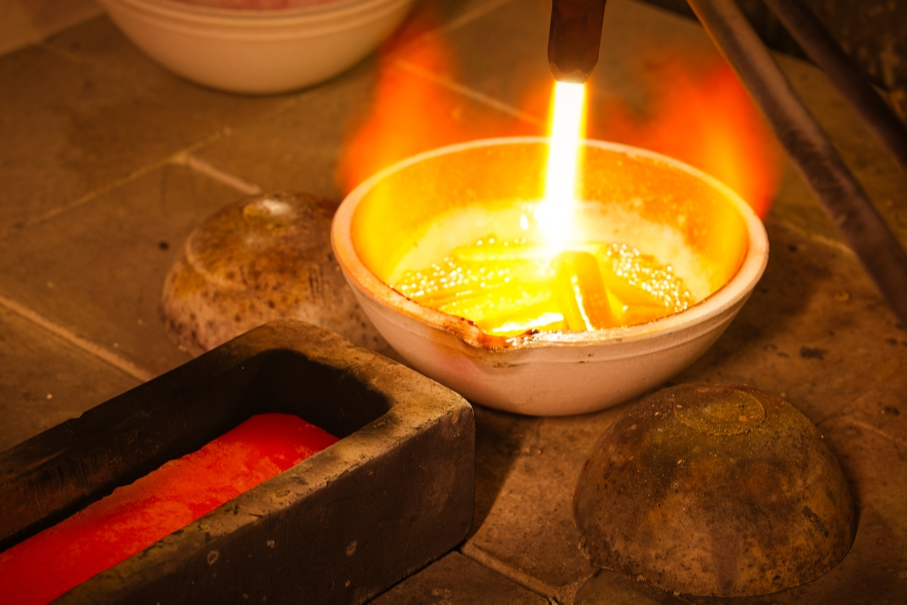
Selecting an OEM watch partner is foundational to product quality and brand reputation. Meticulous evaluation mitigates production risks and aligns capabilities with your vision.
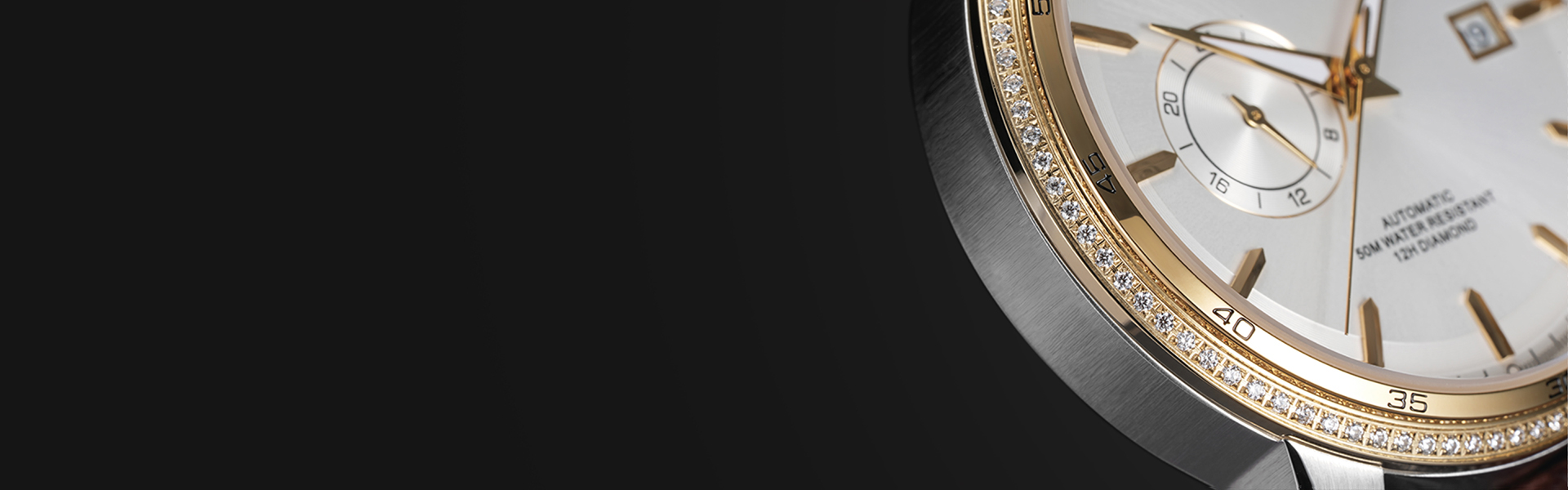
Manufacturers holding ISO 9001 certification should definitely be on any serious buyer's radar since this shows they have proper quality control systems in place that can be checked and verified. When looking at how precisely movements are assembled, keep an eye out for tolerances below 30 microns. That kind of accuracy is what separates decent watches from truly exceptional ones in the mid to high end market range. For those wanting real assurance, check if the manufacturer has their own prototyping facilities. Look specifically for things like 5 axis CNC machines and high res 3D printers because these tools let them quickly test and refine complicated parts such as bezels, crown mechanisms, and even integrated bracelet designs. A brand's collection matters too. If they showcase watches with complications like chronograph functions, moon phase displays, or power reserve indicators, that tells us they're capable of much more than just making standard quartz or automatic watches. According to recent industry data from last year, companies that regularly check when their supplier equipment was last calibrated actually see around an 18 percent drop in defects across their production lines.
Strong NDAs need to address several key areas including design patents, trade secrets, special materials, and what happens when third parties get involved. A recent study from IP Watchdog shows that about 45% of companies miss this important part completely in their contracts. When working with others on product development, the agreement should give the company sole rights to sell any joint creations. Ownership details for tools, molds, and computer designs also need to be spelled out clearly. Security measures cannot be ignored these days. Basic protections include encrypted files during transfer, adding watermarks to sensitive documents, and controlling who gets into facilities through fingerprint scanners or similar tech. These aren't just extra features they're essential parts of doing business safely. Looking at industry data, around 27% of conflicts between original equipment manufacturers come down to disagreements over payment terms or where products can be sold according to the Horological Journal from last year. And don't forget about what happens when the partnership ends. The contract needs to state exactly how data will be wiped permanently and what happens to physical molds once everything comes to an end.
Key Considerations for IP Security:
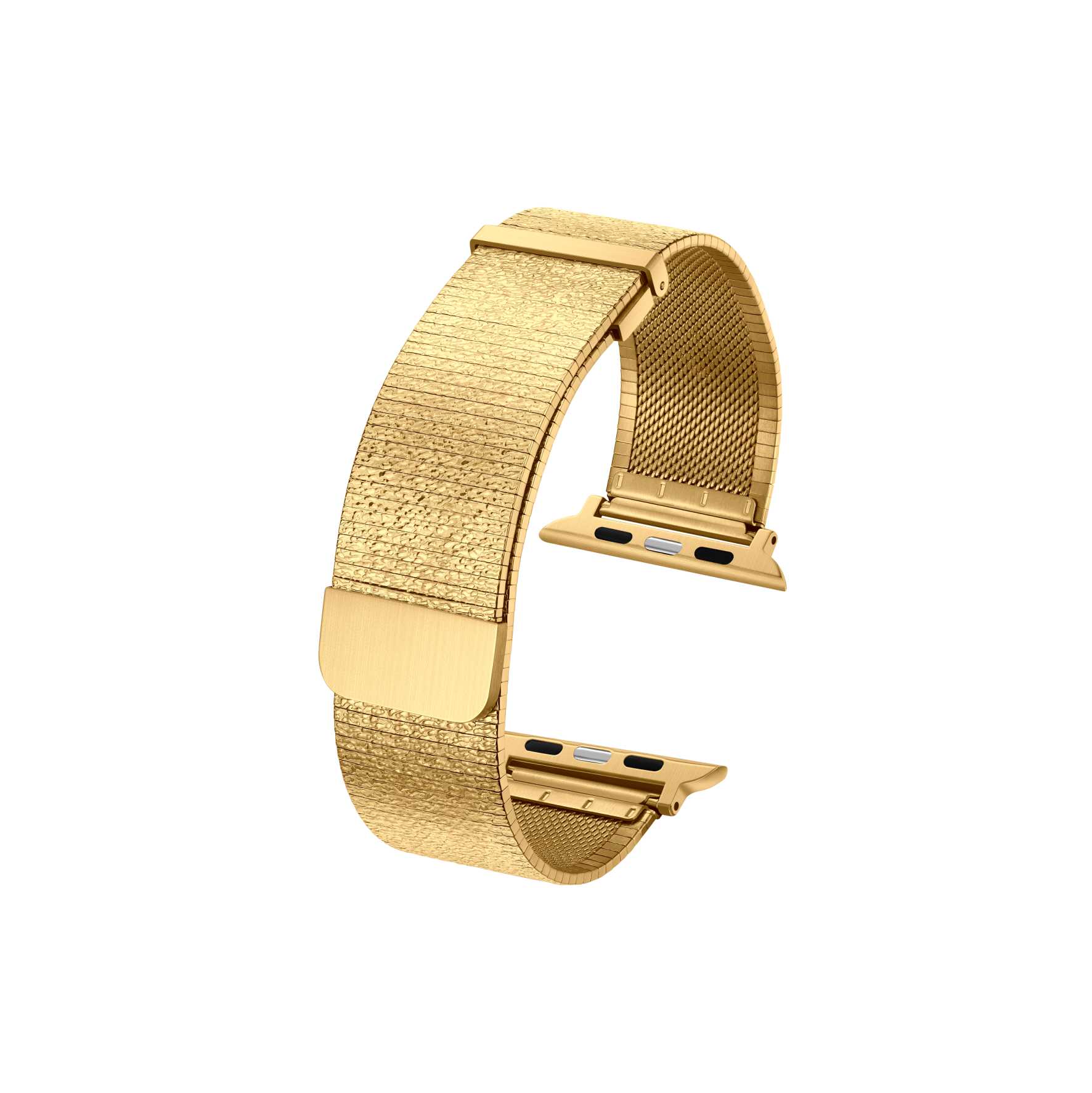
Getting a creative watch design ready for actual production requires close teamwork between the industrial designers and manufacturing engineers right from the start. The process typically starts when those initial sketches get turned into detailed CAD models. This is where art meets engineering reality since there are all sorts of limitations to consider including how high the movement sits inside, whether the case back will fit properly, making sure water stays out through proper seals, and meeting those tricky ISO 22810 standards for gaskets. Designers love adding their signature touches like unique dial fonts, curved lugs that look great but might be hard to make, or special finish combinations on cases. But these features need real world testing against materials properties (take titanium for instance which has certain limits when it comes to anodizing) and figuring out if they can actually be assembled in a factory setting without causing problems down the line.
The whole process really relies on iterative prototyping. When we create 3D printed models, they get put through their paces testing how the bracelet aligns with the case, checking the crown's torque resistance, and making sure people can actually wear them comfortably. Good designs usually go through around three to five rounds of changes before settling on what works for manufacturing specs. Finding that sweet spot between keeping the brand's identity intact while still working within what factories can produce is tricky business. We've found some solid solutions over time though. Simple shapes with those distinctive curves tend to work well. Strengthening the base layer of dials helps create those special textures clients want. And those modular connections between bracelets? They need tight tolerances, something like plus or minus 0.05 millimeters, which solves a lot of problems designers typically face.
| Design Consideration | Engineering Challenge | Resolution Approach |
|---|---|---|
| Unique case shape | Tooling complexity & cost | Simplified geometry with signature contours |
| Custom dial texture | Material stress points | Reinforced substrates with decorative techniques |
| Integrated bracelet | Tolerance stacking | Modular connection systems with ±0.05mm precision |
The process of creating prototypes serves as the crucial link between initial design concepts and what can actually be produced at scale. Every version goes through rigorous testing based on traditional Swiss watchmaking standards, including those similar to COSC certification for timekeeping accuracy, plus quality checks aligned with ISO 9001 requirements. When it comes to essential parts like gear trains, pallet forks, and balance wheels, measurements need to be incredibly precise – down to the micron level. Take balance wheels for instance: their oscillations have to stay within just half a second per day difference during various temperature changes and different positions. To test how materials hold up over time, manufacturers run simulations that speed up normal wear patterns, effectively packing years of usage into weeks of lab testing. This helps confirm whether springs will last, if pivots remain stable, and if case seals keep water out when they should. Most watchmakers find themselves going through three to five rounds of prototypes before they get everything right – making sure not only that the watches work reliably but also look exactly as intended.
The golden sample represents the actual, tangible standard for quality that's legally binding in watchmaking contracts, making it arguably the most important item in any OEM agreement between brands and manufacturers. When officially approved, this reference piece sets out all the measurable specs down to the last detail: how bright the Super-LumiNova glows, the exact force needed to twist the crown stem (in Newton centimeters), the specific order for tightening case back screws, and even the depth of those tiny textures on brushed metal surfaces. If anything differs in the actual watches produced, that counts as breaking the contract terms. Buyers then have grounds to send back whole shipments or demand complete remakes. These samples become crucial during intellectual property battles too. According to a recent study from Horological Journal (2023), nearly 4 out of 5 OEM disputes actually stem from unclear or missing golden samples causing misunderstandings. Most watch companies keep their original golden samples locked away securely so they can check against new production batches later on, maintaining consistent quality through different manufacturing cycles and when switching suppliers.
Strong quality control throughout mass production protects brand reputation and stops expensive problems from happening. When companies build quality checks into their Quality Management Systems (QMS), especially following standards like ISO 9001 and ISO 22810, they focus attention on areas where things can go wrong most badly. Think about movement assembly, how tight gaskets get compressed, or whether crystals stick properly. Real time monitoring along production lines combined with automated optical inspection systems cuts down on assembly mistakes by around 40 percent. Regular documentation reviews also help meet regulations without creating chaos at the last minute. Getting parts from two different suppliers for important components such as tiny jewels in watch movements or special magnetic resistant materials keeps operations running smoothly even when supply chains act up, maintaining about 99.5% equipment availability. Beyond avoiding product recalls, this whole system actually becomes part of business strategy. According to research from Ponemon Institute, fixing recall issues typically costs over $740,000 on average. But good quality management catches problems early so these big expenses never happen in the first place.
| Focus Area | Proactive Strategy | Business Impact |
|---|---|---|
| Defect Prevention | Automated optical inspection systems | 30% reduction in assembly errors |
| Supply Resilience | Multi-vendor critical component sourcing | 99.5% production uptime |
| Regulatory Compliance | Embedded documentation audits | Zero non-conformance penalties |
By calibrating QA rigor to risk severity—not volume—manufacturers achieve consistent golden-sample replication while optimizing cost and speed.
When it comes to sustainable OEM watch partnerships, we're talking about something much more than just getting things done efficiently. These relationships are really about growing together, being open about how operations run, and taking responsibility as a team. For any long term success, brands need to find partners who can actually scale along with them. This means looking at more than just production numbers. The best partners respond fast when engineers need adjustments, bring fresh ideas to the table regularly, and maintain consistent quality standards across all products. What builds real trust? Suppliers who spot potential problems early on, roll with last minute spec changes without batting an eye, and tackle issues head on by figuring out what went wrong together rather than pointing fingers after the fact.
Three pillars anchor enduring collaboration:
Brands embedding these practices report up to 40% less operational friction and faster time-to-market—enabling them to co-create exclusive complications, limited editions, and sustainable material innovations. In this context, the OEM relationship evolves from vendor to value partner—turning manufacturing contracts into durable competitive advantage.
Look for technical capacity, certifications like ISO 9001, proven watchmaking experience, prototyping capabilities, and a strong collection of showcased watches.
NDAs protect design patents, trade secrets, and other sensitive materials, ensuring commercial rights alignment and safeguarding IP security.
The golden sample is a tangible quality standard that's legally binding in OEM contracts, crucial for ensuring product consistency and resolving disputes.
Implementing strong quality control measures, real-time monitoring, and automated optical inspection systems helps to protect brand reputation and prevent expensive issues.

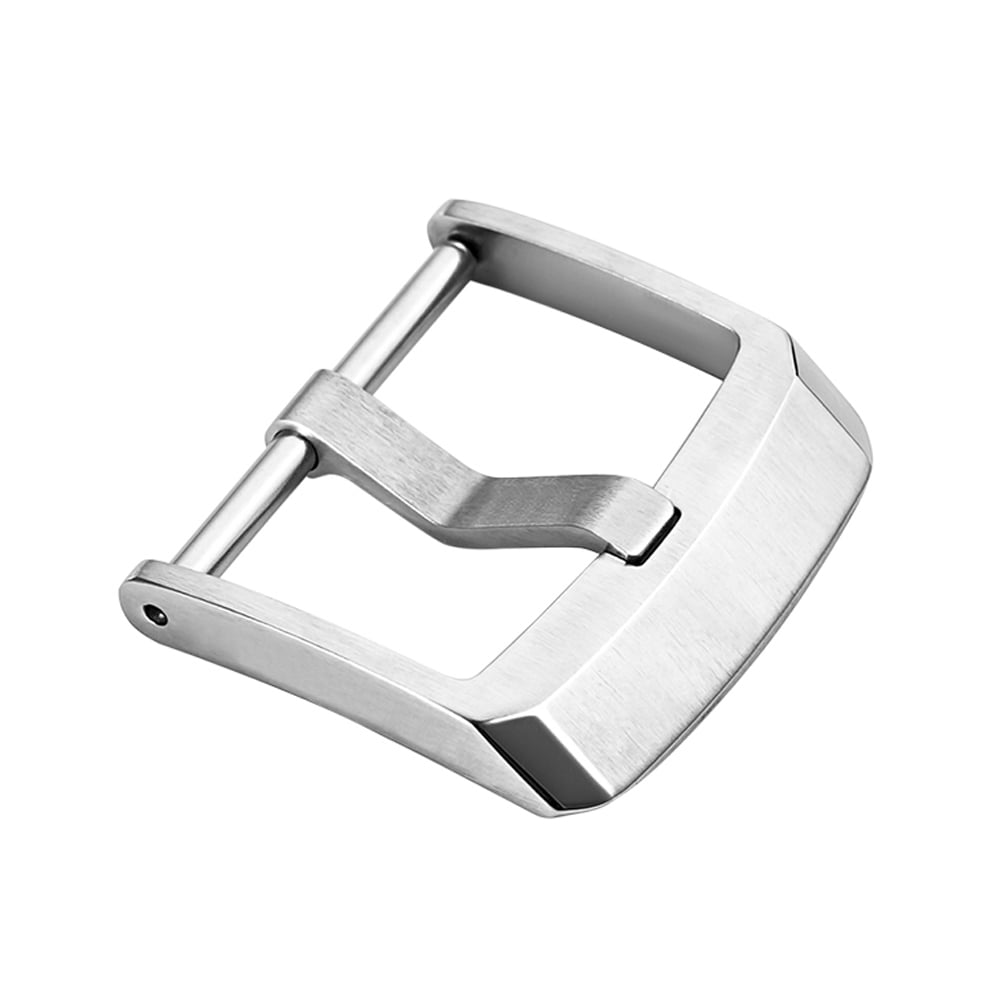
Baoruihua (Dongguan) Precision Technology Co., Ltd. is a precision watch manufacturer specializing in OEM and ODM watch components, including cases, dials, bracelets, and buckles. We provide stable production, strict quality control, and reliable supply for global watch brands. Contact us to discuss your project.
Building5, No.459 Xiecao Road, Xiegang town, Dongguan, Guangdong
Copyright © 2025 by Baoruihua (Dongguan) Precision Technology Co., Ltd. Privacy Policy
 EN
EN
 Hot News