
 EN
EN
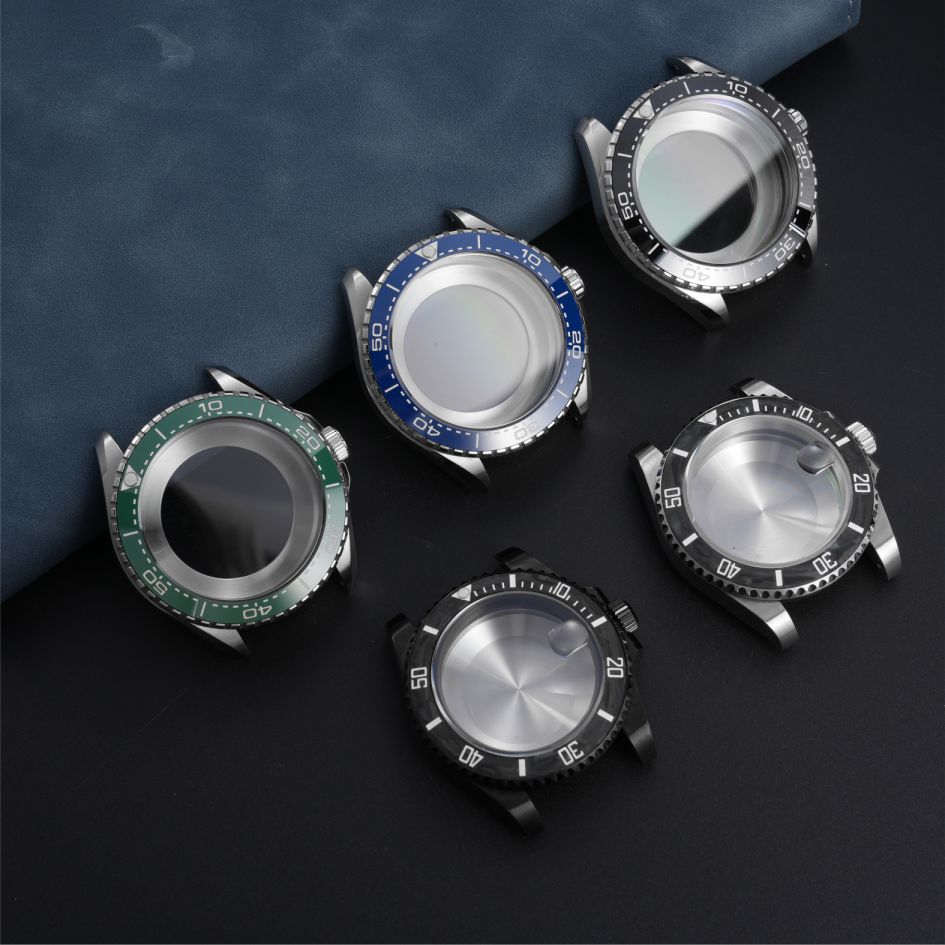
Polishing Techniques That Define Luxury Watch Bezel Aesthetics
Mirror polish (black polish) and its significance in high-end watchmaking
The mirror polishing technique gives surfaces that shiny liquid metal look by bringing down roughness to under 0.1 microns across about 8 to 12 hand done steps, which takes around 15 hours just for one bezel alone. What makes this so special is how it creates these clear reflections without any distortions, making the bezel appear bigger than it actually is. When they use those dark chromium oxide stuff, watchmakers call it black polish instead. Only watches priced above $50k get treated this way though, since this kind of finish represents the absolute top level of craftsmanship standards in high end watchmaking circles.
Zaratsu polish: Precision, reflection, and Japanese craftsmanship
Zaratsu is a traditional Japanese polishing method that relies on spinning tin disks along with specially made tools to get those ultra-smooth, mirror-like finishes on watch bezels. The craftsmen who do this work typically spend around three years learning the trade before they can really master it. They focus especially hard on getting that distinctive 35 degree angle right when shaping blades, which lets them eliminate tiny surface irregularities without messing up the sharp lines. When scientists tested how reflective Zaratsu polished stainless steel actually is, they found it reflects about 98 percent of light. That's way better than regular techniques that only hit around 89 percent reflection. This incredible level of shine gives these timepieces their famous depth and rich shadows that make Japanese luxury watches stand out so much in the market today.
How anglage, chamfering, and bevelling enhance polished edges
- Anglage (45° edge softening) minimizes light scattering at the bezel-to-crystal junction
- Chamfering introduces precise 0.2–0.5mm facets along bezel flanks to capture and refract light
- Bevelling combines both techniques for multi-planar reflections that add depth
These hand-finished details demand tolerances under 5 microns to preserve water resistance while enhancing visual complexity. While modern CNC machines replicate these effects at 0.03mm precision, connoisseurs maintain that hand-executed finishes offer superior gradation and character.
Comparison of mirror polish vs. brushing finishes on stainless steel bezels
| Characteristic | Mirror Polish | Brushed Finish |
|---|---|---|
| Scratch Visibility | High (shows micro-scratches) | Low (masks defects) |
| Light Interaction | Specular reflection | Diffuse scattering |
| Maintenance Frequency | Biweekly polishing | Annual refinishing |
| Production Time/Cost | 18hr (+240%) | 5hr (baseline) |
| Common Applications | Dress watches | Tool watches |
Manufacturers increasingly combine both finishes using galvanic separation, polishing the top surface while brushing the sides—a method requiring exact 0.1mm depth control to ensure clean transitions.
Material-Specific Finishes: Stainless Steel, Titanium, and PVD-Coated Bezels
Stainless Steel Bezel Finish Options: Durability Meets Luster
Luxury watchmakers often turn to stainless steel, especially the 316L variety, for their bezels because it resists corrosion really well - these materials can last through more than a thousand hours of salt spray tests. When it comes to finishing options, electropolishing creates those beautiful mirror-like surfaces with surface roughness below 0.1 micrometers. On the other hand, bead blasting gives watches that nice satin texture many people associate with tool watches. Some exciting new developments are happening too. Nano ceramic coatings now offer around three times better scratch protection than regular polished surfaces, which means watches stay looking good longer without sacrificing their visual appeal.
Titanium Watch Bezel Finishes and the Challenge of Achieving Deep Polish
Titanium is much lighter than steel actually around 45% less heavy which makes it great for those premium sports watches people love so much. The downside though is this stuff has a real tough time being polished because of its hardness level at around 350 on the Vickers scale. Watchmakers have figured out ways around this problem. Some companies tumble their titanium parts using special ceramic materials to get that consistent matte look most collectors want. Others prefer what's called micro-blasting with tiny glass beads about 25 micrometers across. This creates interesting textures that keep the metal looking naturally grayish-black while also hiding scratches better over time. Most watch enthusiasts appreciate these techniques since they maintain both appearance and functionality without compromising on style.
PVD Coating for Watch Bezels: Enhancing Color and Wear Resistance
Physical vapor deposition, or PVD for short, works by applying extremely thin layers at the atomic level to surfaces, which makes them look better and last longer. The process comes in different forms too. Take gunmetal black (CrN) and warm rose gold (TiN) as examples. These aren't just pretty colors though. They actually make surfaces much harder than regular steel. We're talking about hardness levels above 2,000 HV, which is roughly three times what untreated steel can handle. A recent study from 2024 looked at how long different finishes hold up. What they found was pretty impressive. Bezel parts coated with PVD kept around 95% of their original color brightness even after being worn every day for ten whole years. That beats out old school plating techniques when it comes to staying strong and looking good over time.
Ceramic Bezels: Scratch Resistance and Surface Finish Excellence
Ceramic bezel finish: High-tech durability with minimalist sheen
Ceramic bezels made from zirconium oxide stand out for their amazing scratch resistance, hitting 9H on the Mohs scale which means they can handle everyday wear without showing damage. What makes these bezels special is their uniform structure that gives them a smooth matte look. This finish cuts down on glare about 30% less than polished steel does. Many watch enthusiasts are drawn to this kind of minimalist design these days, especially when it comes to high end sports watches where subtlety often speaks louder than flashiness.
Polishing on ceramic: Limitations and alternatives like sandblasting
Due to extreme hardness (1,200—1,500 Vickers), ceramics cannot be polished conventionally. Instead, watchmakers use:
- Diamond-tipped CNC milling for edge definition (±5µm accuracy)
- Microblasting with 25—50µm aluminum oxide for uniform matte textures
- Laser texturing to achieve 0.01mm pattern precision without structural compromise
Advances in tetragonal zirconia polycrystal (TZP) now allow limited high-gloss polishing while preserving 98% of the material’s integrity, expanding design possibilities.
Case study: Rolex GMT-Master II ceramic bezel evolution
Rolex’s shift from aluminum to ceramic (2005—2023) highlights material innovation:
| Generation | Innovation | Production Yield Improvement |
|---|---|---|
| 1st (2005) | Monochromatic ceramic | 42% |
| 2nd (2013) | Two-color via plasma deposition | 67% |
| 3rd (2023) | Gradated hues through doped sintering | 89% |
This progression relied on proprietary sintering ovens with ±2°C temperature control at 1,600°C, enabling complex color gradients without sacrificing the bezel’s 10,000-hour saltwater immersion performance.
Precious Metals and Gem-Setting: Luster and Luxury in Watch Bezel Design
Gold Watch Bezel Finishes: Lustrous Appeal and Maintenance Needs
When it comes to luxury watch bezels, 18K gold still sets the standard thanks to that beautiful warm color and deep luster that catches light so nicely. The polished yellow variety sits around 95 to 120 on the Vickers scale, which means it's pretty soft stuff really. Because of this softness, most people find they need to get their watches professionally polished somewhere between once a year and every eighteen months or so. White gold is another story altogether. These pieces typically need rhodium plating done every couple years to keep them looking fresh without turning dull gray over time. Many newcomers don't realize this ongoing maintenance requirement, something the Vertu Craftsmanship Guide actually points out pretty clearly.
Gem-Setting Techniques and Their Impact on Decorative Finishes
Pavé and invisible settings turn bezels into intricate light-capturing displays, with master jewelers spending 80–120 hours aligning stones to ±0.01mm precision. A 2024 Goldsmiths’ Guild study found that bezels with 50+ gems exhibit 23% greater light dispersion than single-stone designs, thanks to optimized facet alignment and minimal metal visibility.
Rolex Rainbow Bezel: A Trend in Colored Gem-Set Luxury Finishes
What makes the Rainbow bezel so special? Well, it's got those 36 sapphires and diamonds lined up in this beautiful gradient effect that looks like a real rainbow. Matching all those colors takes serious time and skill though. Some folks say it can take up to 18 months just getting everything right before assembly. And guess what? These watches aren't just pretty faces either. They've been going up in value quite a bit lately too. Most owners report seeing their pieces worth anywhere from 40 to even 60 percent more than what they paid originally since around 2020. But there is one thing collectors need to remember. Those stones need proper care. Annual ultrasonic cleaning helps keep the settings free from greasy buildup over time. Something every serious collector should factor into their ownership costs if they want their watch to stay looking pristine for years to come.
Frequently Asked Questions
What is mirror polish in watchmaking?
Mirror polish, also known as black polish, is a technique that creates a shiny, liquid metal look on watch surfaces by significantly reducing roughness to under 0.1 microns. This process involves multiple hand-done steps and is usually reserved for luxury watches priced above $50,000.
What is the difference between Zaratsu polish and mirror polish?
Zaratsu polish is a traditional Japanese technique that uses spinning tin disks for a mirror-like finish, focusing on precision and reflection. Mirror polish, on the other hand, is a broader term that might include similar high-gloss finishes but doesn't rely on traditional methods specific to Japanese craftsmanship.
How does PVD coating benefit watch bezels?
PVD (Physical Vapor Deposition) coating applies thin layers to improve color and wear resistance. This makes surfaces much harder, often tripling the hardness compared to untreated steel. PVD coatings can maintain color brightness and hardness over many years of daily wear.
What makes ceramic bezels scratch-resistant?
Ceramic bezels are made from zirconium oxide, which offers exceptional scratch resistance, rated at 9H on the Mohs scale. This makes them less prone to showing everyday wear and tear compared to metal bezels.
What is special about Rolex's Rainbow bezel design?
The Rolex Rainbow bezel features a gradient effect using 36 sapphires and diamonds, creating a stunning color spectrum. This design requires meticulous matching of colors and is highly valued by collectors, increasing in worth over time.
Table of Contents
- Polishing Techniques That Define Luxury Watch Bezel Aesthetics
- Material-Specific Finishes: Stainless Steel, Titanium, and PVD-Coated Bezels
- Ceramic Bezels: Scratch Resistance and Surface Finish Excellence
- Precious Metals and Gem-Setting: Luster and Luxury in Watch Bezel Design
- Frequently Asked Questions