
 EN
EN
Matching Watch Strap Color and Material to Dial and Outfit
Coordinating Strap Color With Dial Color (Black, Blue, White/Silver, Green)
When matching watch straps to dials, start with colors that complement each other. Black leather works great with black dials for those formal events, though some folks prefer navy blue straps when their dive watch has a blue face. For silver or white dials, there's actually quite a bit of room to play around. Charcoal gray suede adds a nice modern twist, but polished steel bracelets create that clean monochrome look many people love. Green dials are particularly striking with earth tones. Olive leather is a classic choice, while khaki nylon gives off that rugged outdoors vibe everyone seems to appreciate these days.
Contrast vs. Monochrome: Choosing Complementary or Matching Tones
Balance boldness and subtlety by selecting either complementary or matching tones. Warm brown straps contrast crisply against cool white dials, adding vintage charm to dress watches. For streamlined aesthetics, pair gold-toned metal bracelets with champagne dials or match anthracite rubber straps with black dials in sporty designs.
Selecting Neutral Straps for Maximum Outfit Versatility
Tan, gray, or off-white straps act as go-to pieces that just work with everything from jeans to office wear. Take taupe suede for instance it moves right from those navy blue suits straight into weekend denim without missing a beat. Matte black rubber? That stuff pairs great with workout gear but also holds up against dressier looks surprisingly well. The beauty here is how these colors basically eliminate those annoying accessory fights we all face. No more second guessing what goes together when putting together outfits day after day.
Coordinating Strap Materials and Colors With Shoes, Belts, and Accessories
Want to create a cohesive look? Try matching your watch strap material and color with other accessories in your outfit. A cognac leather strap works great with brown loafers and belts for that timeless combo. Stainless steel bracelets go really well with silver cufflinks too. When dressing down, olive NATO straps can be paired nicely with canvas sneakers and some woven belts. The key is keeping textures and tones similar throughout the whole outfit so everything feels put together without trying too hard.
Choosing the Right Watch Strap by Occasion and Dress Code
Leather Straps for Formal and Business Settings
Leather watch straps elevate professional attire with timeless sophistication. Genuine calfskin or alligator patterns complement tailored suits and Oxford shoes, aligning with 2024 workplace style guidelines favoring structured materials. For boardroom settings, opt for matte black or espresso brown tones that match leather accessories without overpowering subtle tie patterns.
Metal Bracelets for Dressy and Luxurious Occasions
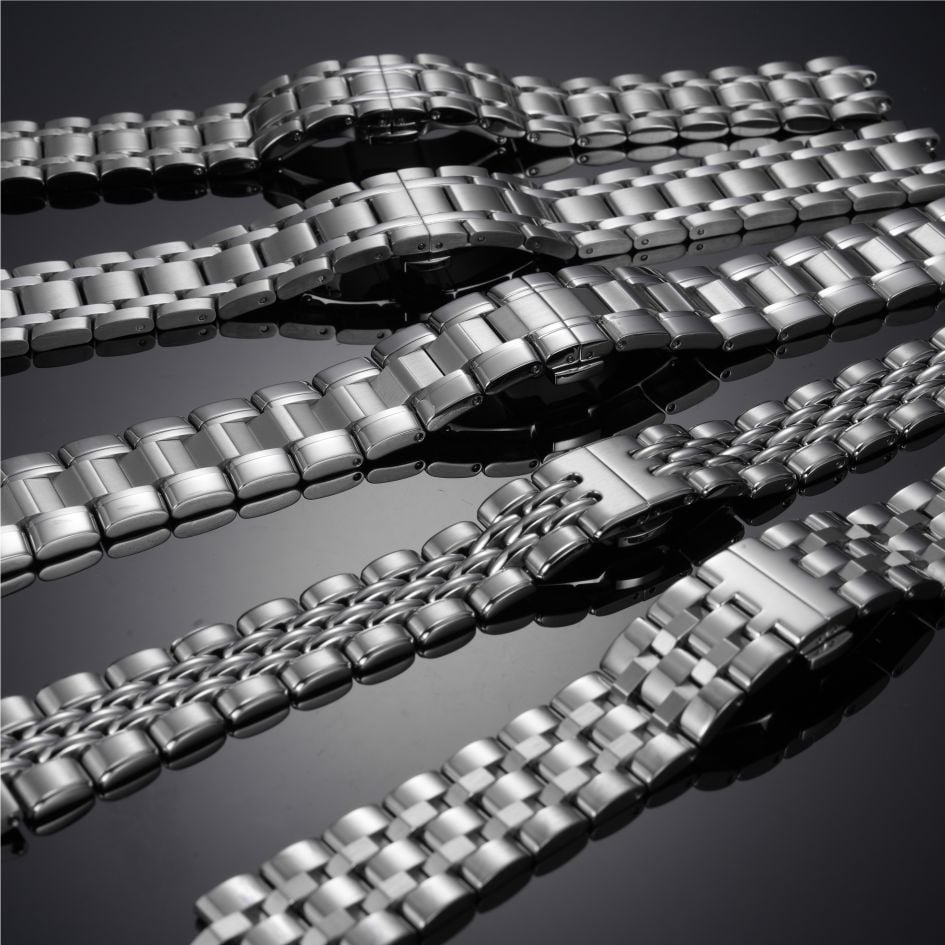
Stainless steel bracelets add refined weight to dress watches, pairing seamlessly with eveningwear and luxury fabrics like silk or velvet. Their scratch-resistant surfaces maintain polish through multiple events, while brushed finishes reduce glare under chandelier lighting. Interchangeable links allow precise wrist sizing, preventing slippage during formal gestures.
NATO and Fabric Straps for Casual Everyday Wear
Breathable nylon NATO straps excel in relaxed environments, offering 300+ color combinations for weekend outfits. Their quick-dry weaves handle spills during brunches, while striped patterns inject playful contrast to denim jackets. For summer versatility, pair tropical-weight fabric straps with linen shirts and boat shoes.
Rubber and Hybrid Straps for Active and Sports Lifestyles
High-performance rubber straps withstand swimming, gym sessions, and outdoor adventures with chlorine-resistant flexibility. Hybrid designs combine silicone bases with textured leather tops, transitioning smoothly from trail runs to casual dinners. Look for perforated versions that reduce sweat buildup during high-intensity activities.
Selecting Watch Strap Materials for Comfort, Durability, and Style
Leather, Rubber, Suede, and Fabric: Pros and Use Cases
Leather straps have stood the test of time when it comes to formal events and business environments. They get really comfortable after wearing them for a while since they tend to conform to the shape of the wrist naturally. Rubber options are tough as nails and won't mind getting wet, so these work great during workouts or hikes where moisture is a concern. Suede has that laid back look with its interesting texture that goes well with casual clothes. For day to day stuff, nylon and canvas materials offer good airflow without sacrificing flexibility. Different materials mean different benefits, so picking the right strap basically depends on what someone actually needs from their watch besides looking good on the wrist.
Hybrid (Leather/Silicone) Straps for All-Day Comfort and Transition
Hybrid straps combine leather’s refined appearance with silicone’s flexibility, offering a seamless transition from office workouts to evening events. These straps resist sweat and moisture better than pure leather while maintaining a polished look, making them a practical choice for professionals with active lifestyles.
Seasonal Considerations: Material and Color Choices by Season
When it gets warm outside, go with stuff that lets air circulate, like mesh fabrics or those rubber materials with holes in them. Light colors work best too - think beige or maybe even navy blue to match what everyone wears in summer. Winter calls for something different though. Insulated leather or suede makes sense then, especially in richer colors like deep reds or dark grays. Getting the right fabric weight and matching up colors according to how hot or cold it is really helps stay comfortable all year long while still looking good. Some people might argue about specifics, but this approach generally works pretty well for most folks wanting both comfort and style regardless of the season.
Ensuring Proper Fit and Proportion for Aesthetic Balance
Matching Strap Width to Case Size and Wrist Dimensions
The width of a watch strap needs to match the size of the watch case for things to look right together. Most people find that watches smaller than 40mm work well with straps around 18 to 20mm wide. When dealing with bigger cases over 42mm, going for something closer to 22 or even 24mm tends to be better. What about wrist size? If someone has slender wrists measuring between 6 and 7 inches, they probably want thinner straps in the 16 to 18mm range so nothing looks too big. Those with thicker wrists above 7.5 inches can usually pull off wider bands without them feeling too heavy on the wrist. Many experts recommend checking how wide the watch actually is from lug to lug before picking a strap. Getting this wrong just doesn't look good, kind of like wearing fancy dress shoes with sneakers.
How Strap Fit Affects Visual Weight and Wearing Comfort
When a watch strap fits right, it spreads the weight around the wrist so no single spot gets too much pressure when worn for hours on end. Most people find that there should be space enough to slip a finger between their skin and the band. If it's too snug, blood flow gets cut off after a while. Way too loose just makes the watch slip around and scratch the skin underneath. What material we're talking about matters too. Metal bands need careful adjustment with those little link removal tools because they don't really conform to the wrist shape. Leather straps and rubber ones tend to mold themselves to the wrist naturally as they get broken in through regular use. Some research suggests that getting the fit right can cut down wrist soreness by about 40 percent versus wearing something that doesn't sit properly. Good design isn't just about looking nice either; it actually makes watches more comfortable to wear day after day.
Building a Versatile Watch Strap Collection for Every Style
Essential watch straps to cover formal, casual, and sporty looks
Any decent watch strap collection needs at least three basics in it somewhere. First off, get yourself a nice polished leather strap for those fancy dinners or office meetings. Then there's something rugged like rubber or maybe even a NATO fabric strap when heading out for coffee or weekend plans. And don't forget a stainless steel bracelet for those times when things aren't super formal but still require some class. With these three, pretty much any outfit can work with what's on the wrist. Stick mostly to neutral colors such as black, brown, or grey since they go with everything. Quick release spring bars are worth their weight in gold too because nobody wants to fiddle around with tools just to switch straps after work.
Rotating straps with seasonal wardrobe changes
Matching up watch straps to the seasons makes sense if we want our watches to stay comfortable and look good too. During hot weather months, breathable silicone or those perforated leather straps are really the way to go. Come winter time though, folks tend to reach for something heavier like textured fabrics or thick leather that goes well with all those extra layers. High end brands like Rolex and Omega have been pushing these modular strap systems lately. With them, changing from crocodile embossed leather when leaves start falling to bright colored rubber as flowers bloom takes just a few seconds. The whole concept actually follows what we see happening on runways every season with fashion houses constantly updating their palettes according to what's trending.
Making a statement with bold, colorful, and unique watch straps
Set aside around 10 to maybe even 15 percent of watch collection space for those wild card straps that break all the rules. Neon rubber bands are great for festival season while embossed stingray leather really shines at formal affairs. When mixing materials, something like a smooth ceramic face next to a brushed metal dial actually looks pretty cool and still keeps time easy to read. The trick is wearing these statement pieces with simple clothing so they stand out without everything clashing together into one big fashion mess.
FAQ
What materials are suitable for watch straps for different occasions?
For formal and business settings, leather straps are ideal. Metal bracelets work well for dressy occasions, while fabric or NATO straps are great for casual settings. Rubber and hybrid straps are excellent for sports and active lifestyles.
How do I choose a watch strap that matches my outfit?
To create a cohesive look, match your watch strap colors and materials with other accessories, like shoes and belts, in similar tones and textures.
What strap width should I choose for my watch?
Match the strap width to your watch case size and wrist dimensions. Smaller watches (below 40mm) pair well with 18-20mm straps, while larger watches (over 42mm) suit 22-24mm straps. Consider wrist size too—slender wrists may prefer narrower straps.
How do seasonal changes affect watch strap selection?
In warmer months, opt for breathable materials such as silicone or perforated leather. In colder months, heavier fabrics and leather are more suitable to complement seasonal wardrobes.
Table of Contents
- Matching Watch Strap Color and Material to Dial and Outfit
- Choosing the Right Watch Strap by Occasion and Dress Code
- Selecting Watch Strap Materials for Comfort, Durability, and Style
- Ensuring Proper Fit and Proportion for Aesthetic Balance
- Building a Versatile Watch Strap Collection for Every Style
- FAQ