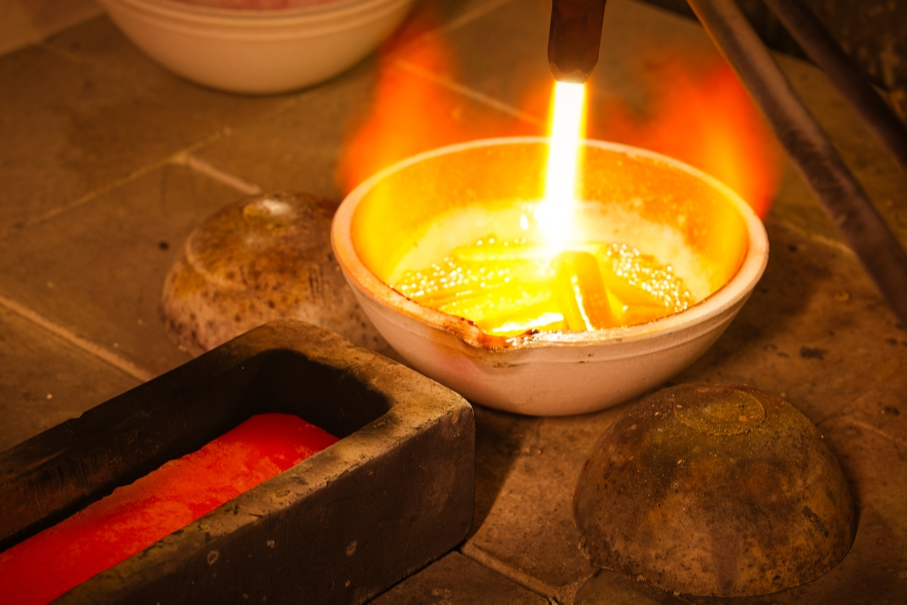
The partnership model with Original Design Manufacturers (ODMs) changes how brands maintain control when compared to traditional OEM watch production methods. With OEM arrangements, companies keep hold of their designs while sending manufacturing overseas. This tends to be more about cutting costs than creating something special together. The ODM approach works differently. Instead of just outsourcing, manufacturers become real partners in the development process, working closely on watches that actually match what the brand stands for. When everything from materials used to the internal mechanics and final finishes are carefully considered alongside brand values, customers notice the difference. Generic looking watches made through standard OEM processes just don't cut it anymore. Brands that work with ODM partners benefit from both creative input and technical know-how, resulting in products that tell a consistent story through quality construction. These timepieces then serve as genuine representations of the brand's identity rather than just another product on the shelf.
Custom watch development transcends mere aesthetics—it's strategic brand storytelling through tangible components. Three elements form the foundation: the dial, case, and band. Each serves as a distinct canvas for conveying your brand's ethos, ensuring every detail aligns with your identity and resonates with your audience.
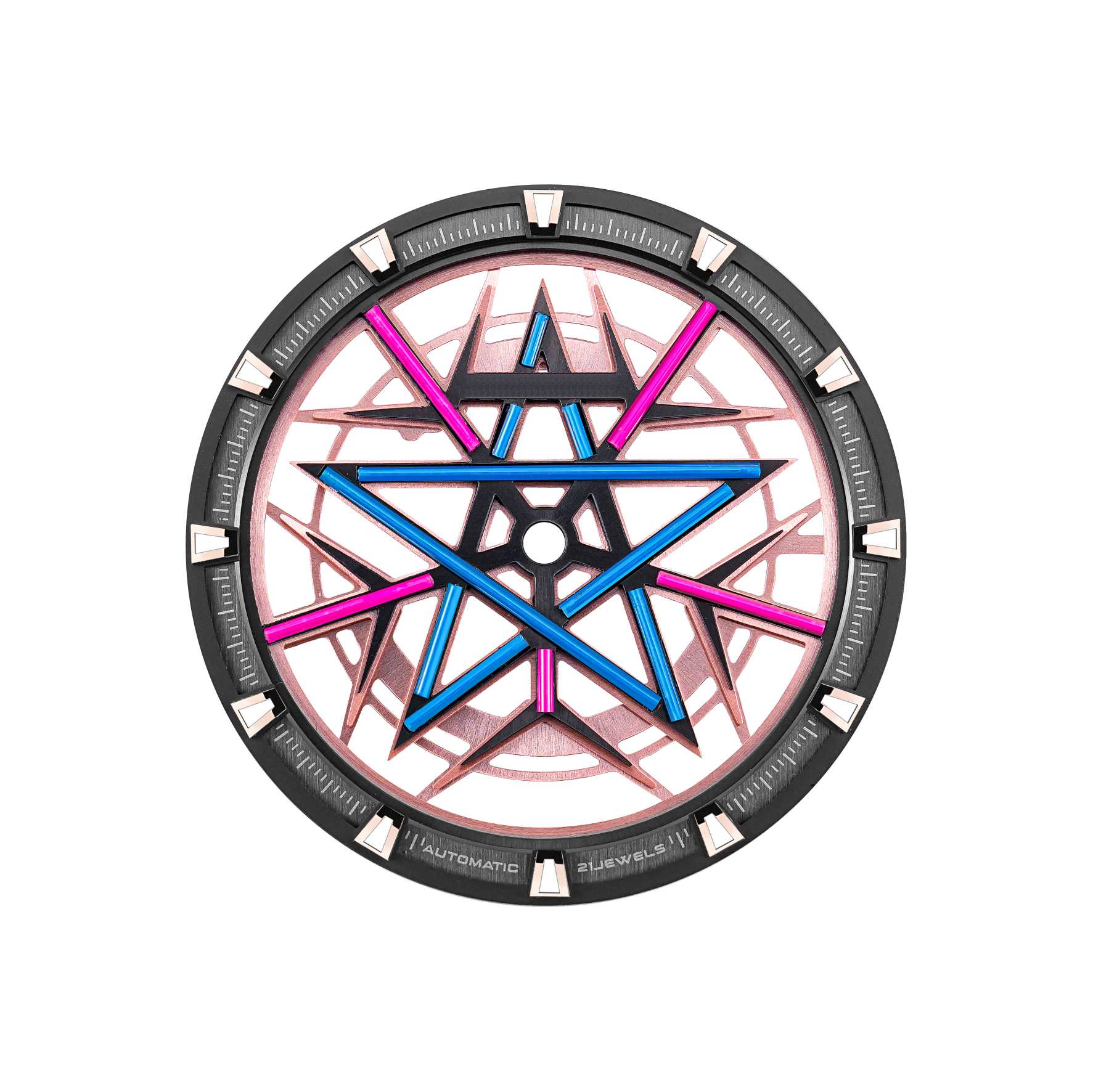
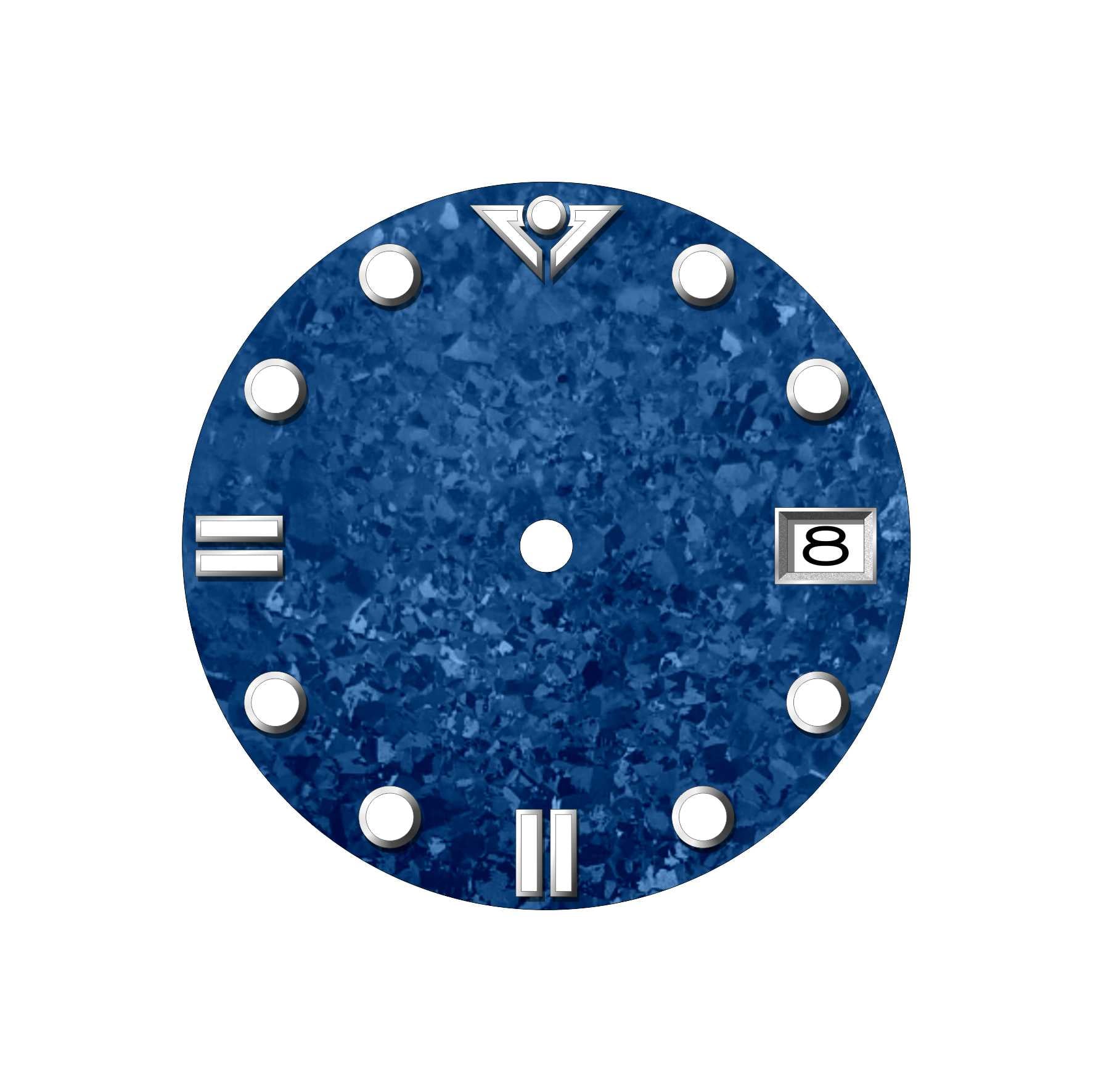
A watch dial serves as the face of any brand visually speaking. Colors matter when it comes to how people perceive things. Deep blue tones tend to build trust among business-oriented brands, whereas bright colors scream youthfulness and energy. What kind of font appears on the dial tells stories too. Clean modern typefaces say one thing, traditional script another entirely. Brands often go all out with special touches like fancy engraved marks, bespoke numbering systems, or those intricate patterned backgrounds called guilloche work. These little flourishes make each watch instantly recognizable as belonging to a particular maker. Surface treatments matter just as much. Sunburst effects give watches that nice subtle shimmer effect, while meteorite surfaces offer something truly different. When someone looks at their watch, they're not just seeing time pass by but experiencing the brand's identity through multiple senses at once.
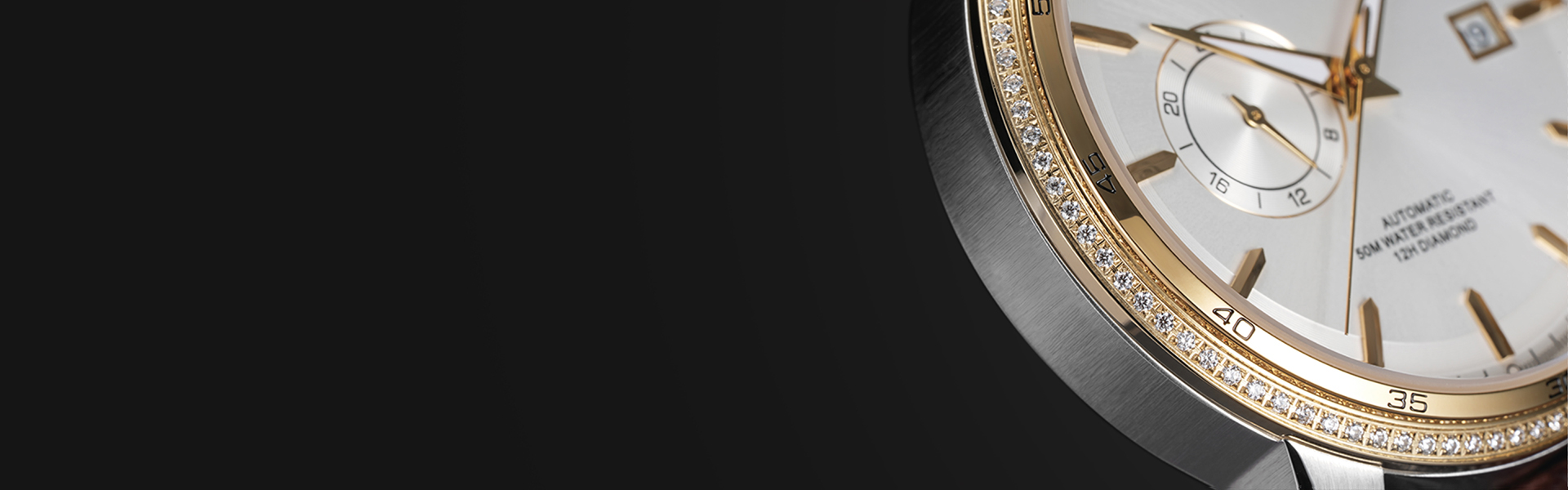
Designing watch cases means finding that sweet spot between technical accuracy and what the piece says visually. When picking materials, there's always a message behind it. Stainless steel is great for brands that want to shout about durability and ruggedness, perfect for those adventure-type folks. Recycled titanium? That speaks volumes to people who care about sustainability and environmental impact. And then there's 18K gold which just screams luxury and tradition, no matter how you slice it. The size matters too. Big chunky cases make a statement, ideal for modern looks that demand attention. Slimmer designs tend to whisper instead of shouting, suggesting class and subtle sophistication. Surface treatments play their part as well. Brushed finishes give a certain texture, polished ones catch light differently, and PVD coatings offer protection while adding color options. These choices ultimately transform each case from mere metal into something that tells a story about quality workmanship and deliberate design decisions.
The band bridges design and daily utility. Material choice must reflect user lifestyles:
| Lifestyle Need | Band Solution | Impact on Experience |
|---|---|---|
| Active/Outdoor | Silicone/rubber | Sweat resistance, flexibility |
| Professional | Leather/metal | Formal versatility |
| Eco-aware | Recycled fabrics | Sustainable alignment |
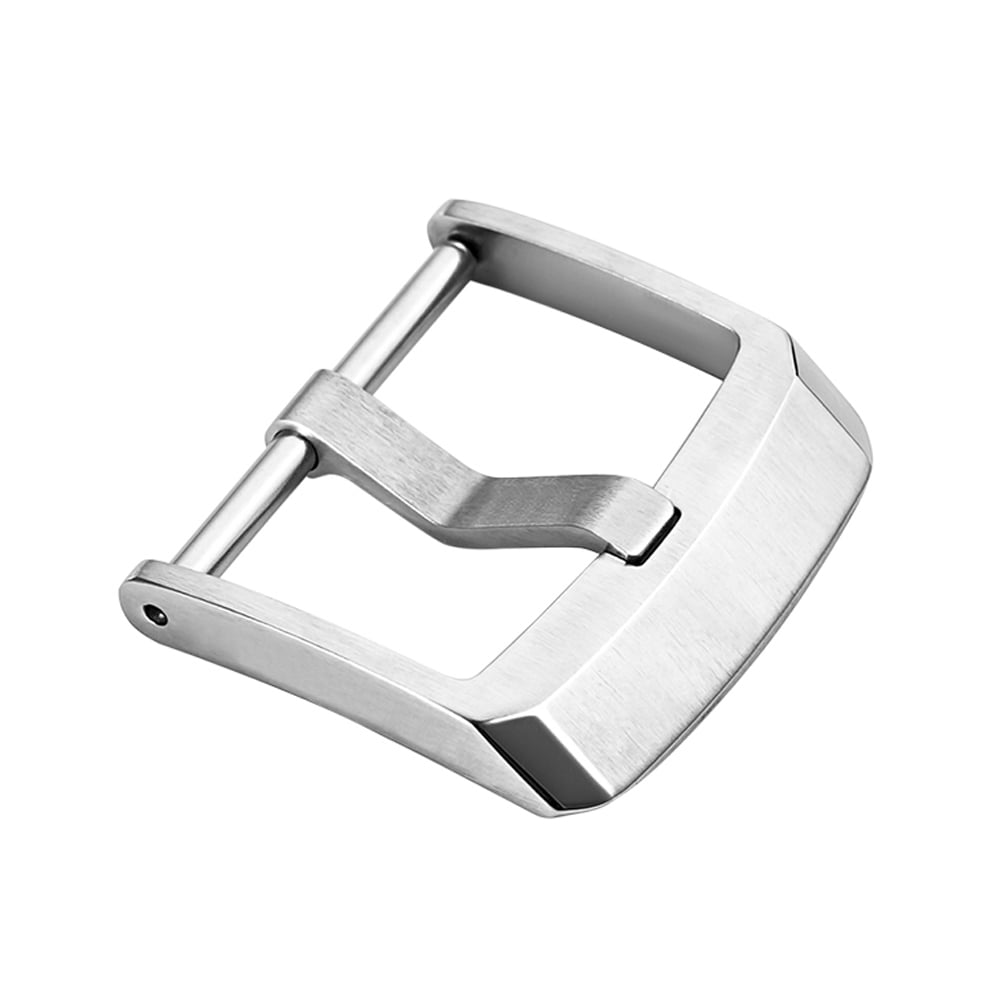
Closure mechanisms—deployant clasps versus tang buckles—enhance security and comfort. A luxury brand might prioritize butterfly clasps for seamless elegance, while a sports label opts for quick-release springs. This synergy between material, function, and audience needs ensures the watch isn't just worn—it's lived in.
Creating genuine brand-specific watches means combining exact engineering with artistic vision. When choosing movement types - quartz, automatic, or solar powered - brands need to match their core values. Luxury watchmakers typically go for Swiss made movements because they carry tradition and prestige, whereas brands targeting adventure seekers might opt for tough Miyota calibers that can handle rough treatment and offer good bang for buck. Water resistance isn't just about numbers on a spec sheet; it actually tells something about who wears the watch. Watches rated at 50 meters work fine for everyday life, but those with 200 meters plus clearly say they're built for underwater exploration or rugged outdoor adventures. This gets reflected in details like how the crown looks, what's engraved on the back of the case, and even the way the bezel is designed. Features such as chronograph functions or dual time zones don't just get added anywhere; their placement on subdials, the shape of hands, and font choices on bezels all tie back to what makes the brand unique. These kinds of decisions happen right from the start of design work, not tacked on later. The colors used for luminous materials should fit within brand color schemes, case thickness needs to look balanced visually, and all practical features must support instead of clash with brand personality. What we see here is how technical limitations become part of a bigger story told through each tiny component, from gears inside to rubber seals and surface finishes, all working together to build real brand character while still delivering solid performance.
The main difference between OEM and ODM watch production is that OEM focuses on cutting costs by outsourcing manufacturing while keeping control of the designs. ODM involves manufacturers working closely with brands to develop watches that align with the brand's values, offering creative input and technical expertise.
ODMs contribute to brand-centric customization by allowing brands to personalize elements like the dial, case, and band. This customization helps in aligning the watch design with the brand's identity and resonates with the audience.
Material choice is important in watch design because it conveys the brand's values and message. For example, stainless steel may suggest durability, whereas recycled titanium speaks to sustainability, and 18K gold signals luxury and tradition.

Baoruihua (Dongguan) Precision Technology Co., Ltd. is a precision watch manufacturer specializing in OEM and ODM watch components, including cases, dials, bracelets, and buckles. We provide stable production, strict quality control, and reliable supply for global watch brands. Contact us to discuss your project.
Building5, No.459 Xiecao Road, Xiegang town, Dongguan, Guangdong
Copyright © 2025 by Baoruihua (Dongguan) Precision Technology Co., Ltd. Privacy Policy
 EN
EN
 Hot News