The unidirectional rotating bezel on dive watches can only move counterclockwise, which is actually a safety feature designed to save lives. When a diver gets bumped underwater or caught in strong currents, the bezel will only make the elapsed time look shorter, not longer. This means divers tend to think they have less time left on their dives than they actually do, which keeps them safer when it comes to staying underwater too long or running out of breathing gas. With a regular two-way bezel, if it gets knocked out of place somehow, it might accidentally add extra minutes to the display. That kind of error could lead to serious problems like decompression sickness or getting stuck underwater without enough air. The special one-way design completely removes this risk. Plus, these bezels typically have around 120 distinct clicks as they rotate, giving divers solid feedback so they know exactly where it's set. Even when wearing thick gloves or diving in murky water where visibility is poor, divers can still adjust and read their watch accurately thanks to this thoughtful design element.
The fail-safe approach is actually written into ISO 6425, which serves as the global benchmark for dive watches. According to this standard, all certified models must include those one-way rotating bezels that simply cannot be turned backward accidentally. To get certified, watches need to withstand at least 5 Newtons of twisting force and show they won't rust even after being submerged in salt water for long periods beyond 100 meters deep. What makes this so important? Well, it tackles head-on one of the biggest problems underwater: getting decompression times wrong. Statistics suggest around 80 percent of major accidents among professional divers happen because of messed-up decompression stops. Military divers like Navy SEALs, deep sea workers who spend hours underwater, and all sorts of technical diving crews depend on these bezels when they're down there for extended periods. A small mistake in timing could lead to dangerous conditions like nitrogen narcosis or worse still, arterial gas embolism. Plus, those glowing markers stay visible even at depths past 30 meters, giving reliable reading without needing batteries something digital screens often struggle with when subjected to extreme pressures or freezing temperatures.
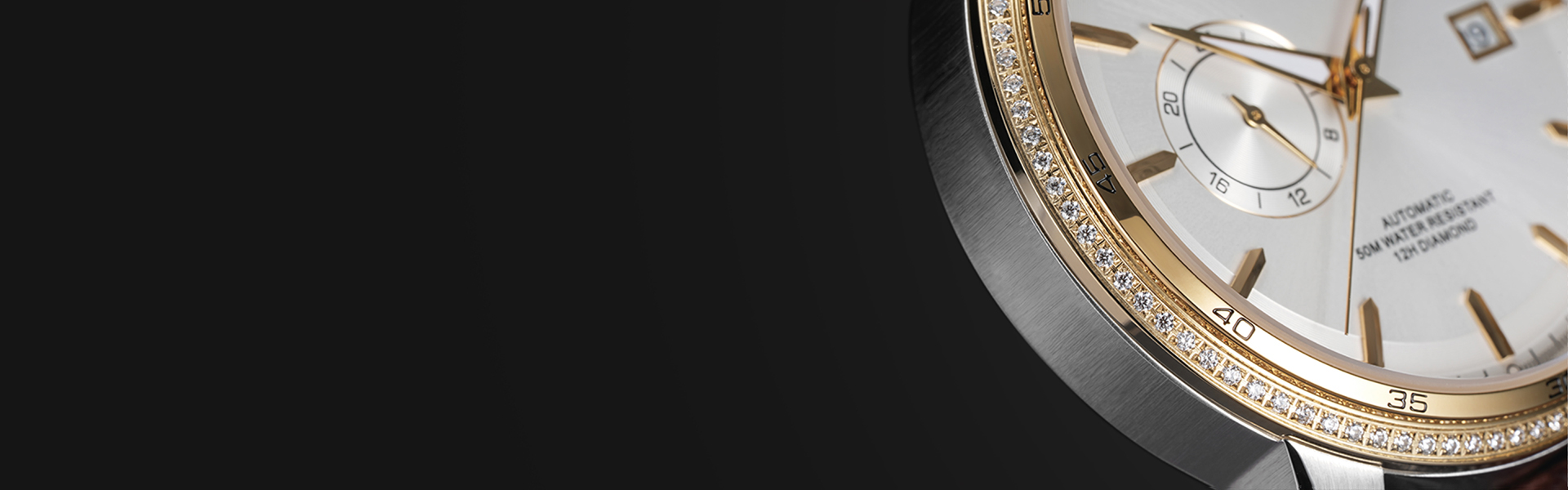
A tachymeter bezel turns any chronograph watch into a handy speed calculator without needing to do calculations or wait around. Just pair it with the stopwatch feature, and it will calculate average speed across set distances like 1 km or 1 mile right away in either kilometers per hour or miles per hour. Here's how it works: hit start at the beginning of whatever distance you're measuring, press stop once finished, and check the speed indicated by where the second hand lands on the tachymeter scale. This kind of instant feedback matters a lot in high-speed racing where cars go past 200mph regularly, and also helps serious runners adjust their pace during training sessions. Compared to regular stopwatches or phone apps, these built-in systems give quick access to information simply by glancing at the watch face instead of fiddling with buttons or screens something that makes all the difference when every millisecond counts toward winning races or breaking records.
The 1969 Heuer Monaco became famous thanks to its distinctive square shape and easy-to-read tachymeter bezel. Drivers such as Steve McQueen wore these watches during long races because they needed to see those numbers clearly while going fast. Modern versions carry forward this tradition. Ceramic bezels now stand up better against damage from car interiors. The watch faces glow in low light situations like when driving through dark tunnels or at sunset. Some models even track time down to tenths of a second for really accurate speed measurements. These improvements go beyond just looking good. Racers and people who analyze race performance actually rely on the information shown on those bezels to make quick decisions during competitions.
The countdown and count-up bezels on watches actually play different yet connected roles when it comes to sports that involve multiple stages. Take triathlons for instance. The countdown bezel lets athletes keep an eye on how much time they have left for each part of the race swim, then bike, then run. Meanwhile, the count-up bezel shows how long has passed overall through all those transitions between events, which helps maintain consistent pacing, especially during those crucial handoff moments. Sailing regattas are another story where these features shine. The countdown bezel becomes almost essential for figuring out the start sequence visually. Racers can watch the wind direction changes, work out the best angle to approach from, and make strategic moves without having to take off their gloves or look away from what's happening around them. Research indicates that people who rely on these specialized timing bezels tend to make about 37% fewer mistakes related to timing during events that happen one after another. This makes sense because these tools really do help lighten mental workload and keep everything running smoothly together.
These aren't like regular dive bezels at all since they work both ways, which means athletes can quickly adjust settings during events without missing a beat. The engraved numbers on them stand up to sun damage and saltwater exposure pretty well, plus the contrast between colors helps folks read the time even when conditions change suddenly. Think about how bright it gets in open water versus starting a race under cloudy skies - these instruments still show what's needed clearly. For competitors who need to switch between different sports or tasks where timing matters a lot, having something that combines quick response with tough construction really becomes essential equipment.
GMT and dual time bezels pack in those 24-hour scales, usually marked with different colors so wearers can tell day from night at a glance. When turned by hand to match up with the special GMT pointer, these features let people check another time zone quickly without messing up their main watch functions. Real useful stuff for marathon runners hopping between time zones during international competitions or relay teams working out schedules across oceans. The good news? These fancy bezels don't sacrifice toughness either. Watchmakers beef them up with ceramic coatings that resist scratches and alloy materials that absorb shocks. Testing shows most models handle water pressure down to 300 meters deep despite all that moving parts business. Makes sense really – adventurers need watches that survive everything from mountain climbs to boat expeditions while still keeping track of multiple clocks around the world.
Materials such as ceramic for bezels, including Rolex's Cerachrom, really stand out when it comes to keeping their appearance intact. Tests done independently show that ceramic can hold onto its finish about ten times longer than aluminum does after going through 500 hours of simulated wear, plus there's absolutely no fading from UV exposure. However, ceramic has this issue with being brittle which makes it bad at absorbing energy. Aluminum works differently because it bends a little bit when hit, actually absorbing around 30 percent more shock before breaking apart. For people who do things like rock climbing or trail running where the watch gets knocked around constantly, this difference matters quite a lot. Now we see many top manufacturers using what they call hybrid designs. These involve putting ceramic parts into a base made of metal that can absorb shocks better. The result? Watches that resist scratches, don't fade in sunlight, and won't crack from impacts, so the bezel stays good looking even after all sorts of rough treatment during physical activities.
A unidirectional rotating bezel only moves in one direction, usually counterclockwise, to prevent timing errors and enhance safety in diving.
ISO 6425 is the international standard for dive watches, ensuring they meet specific safety criteria including unidirectional bezels.
A tachymeter bezel allows users to calculate speed based on elapsed time over a fixed distance by reading the scale on the watch.
GMT bezels allow tracking of multiple time zones, useful for travelers and international athletes.

Baoruihua (Dongguan) Precision Technology Co., Ltd. is a precision watch manufacturer specializing in OEM and ODM watch components, including cases, dials, bracelets, and buckles. We provide stable production, strict quality control, and reliable supply for global watch brands. Contact us to discuss your project.
Building5, No.459 Xiecao Road, Xiegang town, Dongguan, Guangdong
Copyright © 2025 by Baoruihua (Dongguan) Precision Technology Co., Ltd. Privacy Policy
 EN
EN
 Hot News