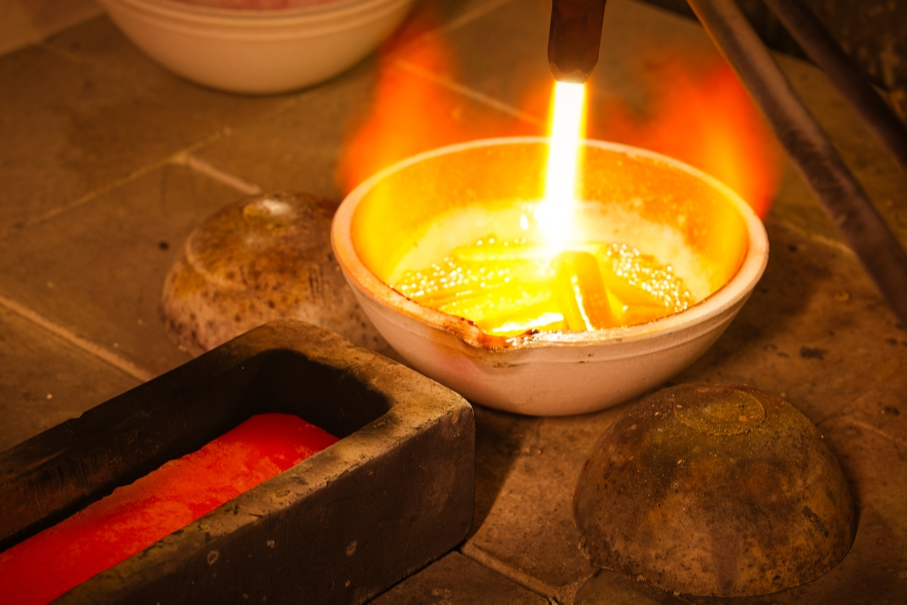
The best watchmakers are basically the backbone of great timepiece creation, turning basic metals and components into highly accurate devices through careful craftsmanship and engineering know-how. When we look at regular mass producers versus these experts, there's a huge difference in quality control. The top manufacturers cut down on mistakes by around 83% according to a study from the Ponemon Institute back in 2023. They check everything meticulously, right down to those tiny inner gears and outer case finishes, making sure all measurements fall within just plus or minus 2 microns. To put that in perspective, it's about one tenth as thick as a single strand of human hair. All this attention to detail means watches keep better time, last longer, and work reliably even when temperatures change or they get bumped around during daily wear. That's really what separates a truly outstanding watch from something that just sits on your wrist without much character.
When it comes to making really durable watches, professional manufacturers blend old school craftsmanship with cutting edge tech. Watchmakers spend hours putting together movement parts by hand, relying on methods passed down through families for centuries. They make sure every tiny component lines up just right and gets properly oiled so everything runs smoothly. Meanwhile, machines take care of other tasks too complex for human hands alone. These machines can cut gears with lasers and subject watches to water pressure tests that mimic actual diving conditions or rainy days. What we get is basically art combined with engineering science. Those beautiful hand finished angles on watch faces look great, but the computer controlled main plates inside are what actually keep the whole thing from falling apart after years of wear. Most quality watches still tell time accurately even after half a century if someone takes good care of them, which explains why vintage models often fetch such high prices at auctions these days.
What makes a good watch truly reliable? Precision engineering is key, something top watchmakers have mastered through their own unique movement designs and innovations in materials science. Watch companies spend lots of time developing balance wheels that can maintain steady ticking even when the watch position changes during normal wear. The escape wheels are often made from special brass alloys without nickel content to avoid problems with magnetism. And those tiny parts called pallet stones? Many high end watches use synthetic rubies there because they just don't wear down as fast as other materials do after all those millions of swings back and forth. Manufacturers also put these components through rigorous tests that basically speed up what would happen over two decades of regular use. This means modern mechanical watches can handle pretty extreme conditions too, surviving magnetic fields as strong as 15 thousand gauss and working fine whether it's freezing cold at minus 20 degrees Celsius or sweltering hot at plus 60. All this careful work results in timepieces that gain or lose only about two seconds per day at most, which beats what most competitors offer by quite a margin. These aren't just watches anymore though; they become family treasures passed down through generations thanks to such exceptional build quality.
Creating a watch goes through about five main stages from initial idea to completed product. The process starts with figuring out if the design will actually work technically. Engineers spend a lot of time checking how different parts fit together, especially when dealing with complicated mechanisms. This early phase alone might take half a year for really intricate designs. Once that's done, production kicks off with computer-controlled machines cutting metal parts, while skilled craftsmen handle the fine details like making the hands and dials. Quality checks happen constantly throughout manufacturing. When everything is ready, the final assembly takes place in special clean rooms where each component gets put together with incredible precision down to tiny fractions of a millimeter. Before any watch leaves the factory, it undergoes all sorts of tests including waterproof checks, impact tests, and accuracy measurements to make sure it meets strict standards.
Even with all the tech improvements out there, hand made assembly still lies at the heart of making mechanical watches. Watchmakers put together movement parts one by one in super clean spaces. They tweak those tiny hairsprings, place the jewels just right, and get the escapement working properly using methods no machine can match. What makes this human touch so valuable? Well, it creates both perfect mechanics and gives each watch its own personality and dependable quality something factory lines simply cant do. When we talk about complicated watches with lots of features, the watchmaker really steps up their game. Those teeny tiny adjustments they make actually decide how accurate and reliable the watch will be over years of use.
Creating complex mechanical watches is arguably the toughest challenge in horology, needing incredible precision work and often taking years to develop properly. When making things like perpetual calendars, tourbillons, or minute repeaters, watchmakers have to fit hundreds of extra parts into already tight spaces, all working together without any hiccups. The main hurdles? Getting all these features to sync up perfectly, keeping the watch running efficiently even with so many moving parts, and making sure it stays reliable no matter what conditions it faces. To handle such intricate work requires state-of-the-art computerized machining alongside old school hand finishing techniques. Some complicated movements go through well over 600 separate quality inspections just before they get put together.
Creating their own watch movements is considered by many as the ultimate goal for serious watchmakers. Brands that depend on outside suppliers for their inner workings don't have the same level of say in how things look, what materials get used, or exactly how everything gets made. When companies build everything themselves from start to finish, they can fine tune every little detail and make sure quality stays high at each step along the way. Industry numbers suggest that authentic in house movements tend to keep time about 15 to 20 percent better over years of wear than watches based on off the shelf components, according to research published last year by the Horological Institute. Investing heavily in developing these custom movements pushes forward new ideas too. Top tier manufacturers have come up with special escape mechanisms and protection against magnetic interference that actually change what people expect from mechanical watches today.
At its core, what makes mechanical watches truly exceptional comes down to applying basic physics concepts to how the internal mechanisms are built. Watchmakers these days rely heavily on computer simulations to fine tune things like gear train performance and how the balance wheel responds to different forces long before they ever create a physical prototype. Top tier brands go even further by using special materials that resist magnetic fields and unique oils that keep their watches accurate within about two seconds a day, no matter if it gets hot or cold outside or how someone wears the watch on their wrist. Attention to detail matters everywhere in these tiny machines. The base plate needs to stay stable when temperatures change, while the spring inside must oscillate at the same rate regardless of position. All these factors combine so that even after years of daily wear, a well made mechanical watch keeps telling time reliably without needing constant adjustments.
When Rolex launched its Caliber 3255 back in 2015, it really shook things up in the world of mechanical watches with some pretty impressive tech upgrades. The brand's new Chronergy escapement system boosted energy efficiency around 15%, all while keeping that solid 70 hour power reserve intact. Then there was this cool blue Parachrom hairspring they introduced too - not only did it stand up to shocks about ten times better than before, but it could handle magnetic fields as strong as 1000 gauss without blinking. With no fewer than 14 different patents packed into one movement, these improvements added up to roughly 30% better accuracy compared to what came before. Most serious watchmakers still look at this as something of a benchmark when talking about reliable timepieces made for professionals who need precision day after day.
Watch makers who take pride in their craft have quality checks built into every step of production, starting right when parts are made and going all the way through putting everything together. High end brands often throw out around 30 to 40 percent of parts they check because even tiny flaws won't make the cut. These companies really mean business when it comes to quality. Every single watch gets tested thoroughly for how accurate it keeps time, if it can handle being submerged in water, and whether the inner workings will last. Some top tier brands actually run their watch mechanisms through tests lasting nearly two weeks, checking them in different positions and under various temperature conditions. All this extra care is what makes these watches stand apart from cheaper factory produced ones on store shelves. The price tag might seem steep, but there's good reason behind it when looking at all the effort put into making sure each piece meets exacting standards.
When it comes to watches, certain certifications stand out as gold standards for quality checks. Take COSC, which stands for Contrôle Officiel Suisse des Chronomètres. This one has been around since 1973 and basically means that mechanical watches need to stay accurate within about -4 to +6 seconds each day. They test them for 15 whole days across different positions and temperatures before giving their stamp of approval. Then there's METAS, something Omega brought into play back in 2015. This one takes things further by looking at the entire watch, not just its inner workings. It checks how well they resist magnets (up to 15,000 gauss!), looks at power reserves, and makes sure they work properly in everyday situations too. And let's not forget about the Patek Philippe Seal, probably the toughest set of requirements in the business. While others focus mainly on keeping good time, this seal also considers design aspects and actually promises a lifetime warranty on performance. All these certifications help ensure watches meet high standards and give buyers something concrete to look for when judging whether a timepiece is worth investing in.
The Swiss set the standard for what we now consider fine watchmaking, but don't overlook the serious competition coming from Germany and Japan. When it comes to Swiss watches, think COSC certification which basically means they tick really accurately and look beautiful on the wrist thanks to all that hand finishing work. German watch companies, particularly those hailing from Glashütte, take a slightly different path focusing more on engineering breakthroughs and making sure their timepieces can survive anything from rain showers to magnetic fields without missing a beat. Meanwhile Japanese brands like Seiko and Grand Seiko revolutionized the industry back in the day with their computer controlled manufacturing processes that allowed them to produce thousands of watches with almost identical quality and accuracy. These three approaches might come from different corners of Europe and Asia, but at the end of the day everyone wants to make watches that keep good time and last forever no matter how picky collectors get about details.
1. What are the main factors that ensure precision in watch manufacturing?
Precision in watch manufacturing is ensured through detailed craftsmanship, precision engineering, rigorous quality tests, and using specialized materials. Each movement part is meticulously aligned, often combining hand assembly with high-tech processes to ensure durability and accuracy.
2. How do professional watch manufacturers balance between craftsmanship and technology?
Professional watch manufacturers integrate age-old crafting techniques with modern technology. Skilled artisans handle intricate parts manually, while machines perform complex tasks beyond human ability, such as laser cutting gears and conducting water pressure tests.
3. Why is in-house movement considered significant in high-end watchmaking?
In-house movements allow manufacturers control over design, materials, and quality assurance. Watch brands building movements from scratch can maintain higher standards and ensure better time accuracy over years of wear.
4. What is the importance of certifications like COSC and METAS?
Certifications such as COSC and METAS represent gold standards in watch quality checks, ensuring accuracy, water resistance, magnetism, and overall functionality. These certificates provide assurance that a watch meets high performance criteria.

Baoruihua (Dongguan) Precision Technology Co., Ltd. is a precision watch manufacturer specializing in OEM and ODM watch components, including cases, dials, bracelets, and buckles. We provide stable production, strict quality control, and reliable supply for global watch brands. Contact us to discuss your project.
Building5, No.459 Xiecao Road, Xiegang town, Dongguan, Guangdong
Copyright © 2025 by Baoruihua (Dongguan) Precision Technology Co., Ltd. Privacy Policy
 EN
EN

 Hot News