
 EN
Why the Clasp Decides How the Watch Feels
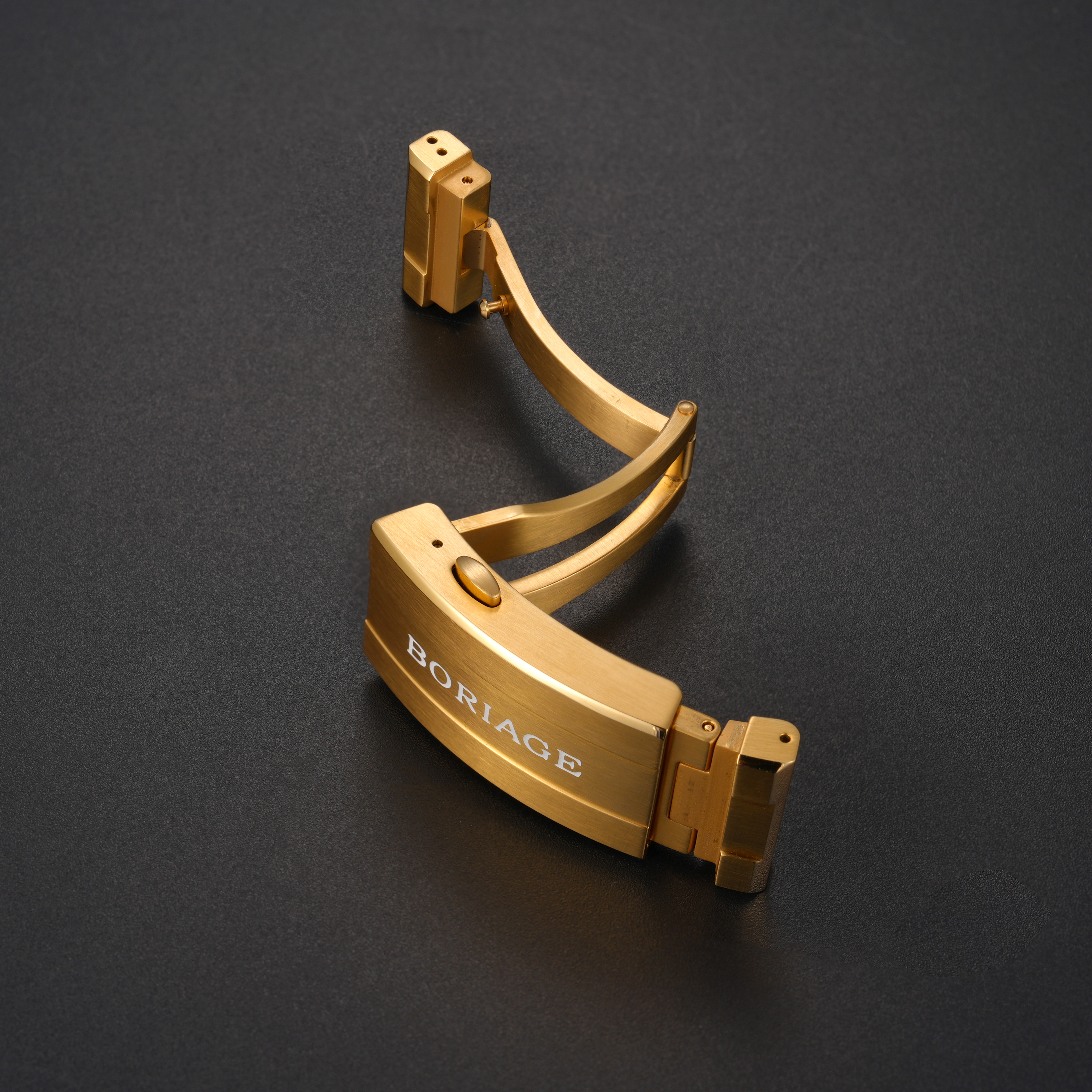
A high-quality watch clasp is not just a metal closure at the end of a strap. It is a small mechanical system that gets opened, closed, pulled, and twisted every day. That repeated handling exposes weak springs, soft pins, rough edges, and poor alignment faster than most owners expect. A basic clasp can look fine in a product photo. A quality clasp still feels controlled after months of use.
The difference often comes down to design intent. Some clasps are built to hit a price. Others are built to match a watch case in feel, durability, and finish. The second group costs more to make, but it also protects the ownership experience. A stiff release, a loose lock, or a sharp edge can make an otherwise strong watch feel cheap.
Clasp Materials and Machining Set the Foundation
Clasp materials drive how a watch clasp wears. Zinc alloy is common in low cost closures because it casts easily and takes plating. Stainless steel, especially 316L, offers better strength and corrosion resistance. Titanium is light and skin friendly, though it needs different machining and finishing care. The material must match the strap, the case, and the expected use.
Machining quality matters just as much. A cast body with minimal secondary work may have soft edges and inconsistent hole positions. A clasp that is CNC machined and then finished with controlled tolerances holds its shape better. Pins, springs, and locking arms need consistent heat treatment and fit. Small variations in pin diameter or spring tension can change how the clasp opens. In a high-quality watch clasp, those parts are treated as critical components, not hardware bin items.
Locking, Adjustment, and Daily Handling
The locking system is where a clasp earns trust. A single folding blade may be enough for a light dress watch. A sports or dive style watch usually benefits from a double lock or a safety catch. A deployment clasp should engage with a clear click, stay closed under tension, and release without tearing a fingernail. That balance is harder to hit than it sounds.
Adjustment is another daily touchpoint. A clasp with multiple micro adjustment holes lets the wearer fine tune fit as the strap settles or the season changes. A clasp with no adjustment may fit in the store and feel wrong a week later. Divers extensions and quick adjust systems add convenience, but they also add parts that must be sealed, aligned, and tested. More features are not automatically better. The right feature set depends on the watch type and the wearer.
| Feature | Basic clasp | High-quality watch clasp |
|---|---|---|
| Body material | Zinc alloy or low grade steel | 316L steel, titanium, or selected alloy |
| Machining | Cast with limited finishing | CNC machined with controlled tolerances |
| Locking | Single fold, light spring | Double lock or safety catch with clear action |
| Adjustment | Fixed length or few holes | Micro adjustment or extension options |
| Surface | Simple plating, uneven sheen | Controlled plating, PVD, brushed or polished |
| Inspection | Visual check on samples | Dimensional, pull, cycle, and salt spray checks |
Surface Finish and the Feel of Operation
Surface finish is not only about looks. It affects corrosion resistance, friction, and how the clasp feels in the hand. Brushed surfaces hide daily marks. Polished surfaces show scratches but catch light. PVD coatings can add color and wear resistance, yet the result depends on surface preparation and coating thickness. A poor base finish will show through any coating.
The feel of operation comes from many small details. Chamfered edges prevent scraping. Controlled spring tension gives a clean release. Smooth pivot points reduce wobble. A clasp that opens with a gritty sound or a sharp snap may still work, but it signals weak process control. These details are difficult to inspect in a photo. They show up in the hand.
Testing and Quality Control That Catch Small Failures
Clasp quality control for a high-quality watch clasp should pass more than a visual check. Dimensional inspection confirms pin holes, blade angles, and lock engagement. Pull testing checks that the closure holds under load. Cycle testing opens and closes the clasp many times to reveal spring fatigue and wear. Salt spray testing, often based on ASTM B117, helps evaluate plating and corrosion resistance.
Quality systems matter here. ISO 9001:2015 clause 8.5.1 calls for controlled production conditions, which means documented settings, trained operators, and traceable materials. ISO 2859-1 sampling tables are widely used for final inspection. These standards do not guarantee a perfect clasp, but they reduce the chance that a bad batch reaches packing. A watch clasp is small, yet a failed lock or a broken spring can damage a brand's reputation.
A Shop Floor Example From a Folding Clasp Project
A useful case comes from a folding clasp project for a mid-size watch brand. Early samples looked good, but pilot production showed inconsistent release force. Some units opened smoothly. Others needed a hard pull. The body dimensions were within drawing. The issue was found in spring tension and the angle of the locking arm after polishing. The polishing step was removing slightly more material on one side, which changed how the lock engaged.
The fix was not a new design. It was process control. Polishing fixtures were revised. Spring lots were checked before assembly. A release force check was added at the end of the line, with a simple pass or fail gauge. The clasp became consistent. The lesson applies across watch hardware. Small parts can carry large schedule and reputation risk. A partner that treats a clasp as a precision assembly, not a commodity, usually finds those issues before the customer does.
Matching a Clasp to the Watch and the Wearer
No single clasp design fits every watch. A slim dress watch may need a discreet single fold clasp with a clean profile. A heavy steel watch may need a stronger lock and a wider body to balance the case. A leather strap may use a simple pin buckle, while a metal bracelet often uses a deployment clasp. The choice should follow the watch architecture, the strap material, and the daily habits of the wearer.
Comfort matters as much as strength. A clasp that sits too tall can press into a desk. A clasp with sharp inner edges can catch arm hair. A clasp that is too short may limit adjustment. These are not minor complaints. They shape whether a watch gets worn. Testing with real wearers, not only with gauges, helps catch comfort issues before mass production.
Clasp quality depends on how well material, machining, locking design, surface finish, and inspection are matched from the first drawing to the final carton. Burriva, short for Baoruihua (Dongguan) Precision Technology Co., Ltd., focuses on OEM watch components from its Dongguan production base, with in-house capabilities across dials, cases, bracelets, and buckles. Buckle production combines CNC milling, stamping, automated polishing, dimensional inspection, and functional checks on assembled clasps. To discuss clasp specifications, locking requirements, or approval criteria, get in touch with Burriva.
Table of Contents
- Why the Clasp Decides How the Watch Feels
- Clasp Materials and Machining Set the Foundation
- Locking, Adjustment, and Daily Handling
- Surface Finish and the Feel of Operation
- Testing and Quality Control That Catch Small Failures
- A Shop Floor Example From a Folding Clasp Project
- Matching a Clasp to the Watch and the Wearer