
 EN
EN
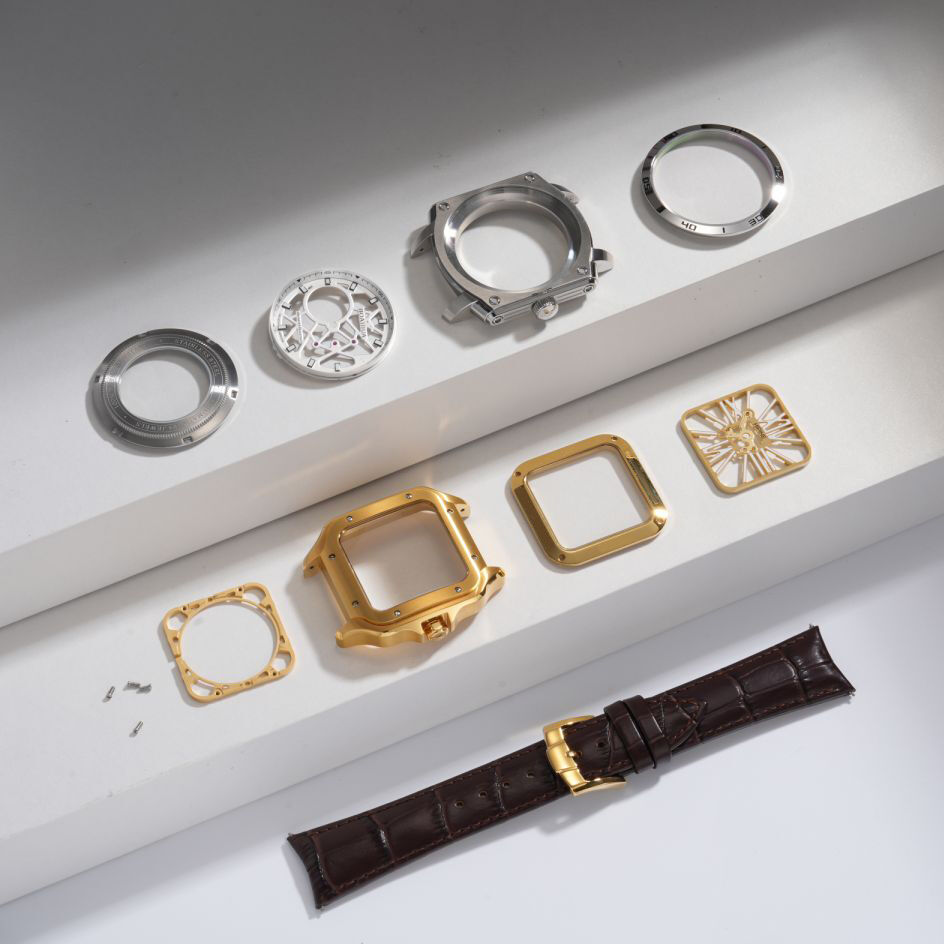
Understanding Exclusivity and Personalization in Luxury Watch Brands
High end watch brands go way beyond just making watches work well these days. They offer all sorts of personalized touches such as putting names on the crown or engraving special messages on the back of the case. According to some research from Luxury Institute in 2023, around two thirds of wealthy customers actually care about getting something truly unique when they buy a luxury watch. This has created a real market for customized models that aren't available off the shelf. Big names in the industry including IWC and Vacheron Constantin set aside roughly 15 to 20 percent each year of what they produce specifically for special orders. These companies blend old school craftsmanship techniques with what clients want today, creating pieces that feel both traditional and completely one of a kind.
How Scarcity and Limited Editions Amplify Desirability
Watches that come out in limited numbers tend to hold about 32 percent more value when resold compared to standard models according to WatchAnalytics from last year. Brands have really mastered this approach, with Audemars Piguet being a prime example. Take their Royal Oak 50th Anniversary collection released in 2023. That whole line vanished within just 14 minutes even though each piece cost over seventy five thousand dollars. This shows how creating something rare makes people want it even more. But customization doesn't stop there either. More customers these days ask for special features on their timepieces. Some want moon phase displays set specifically for the day they got married, turning these luxury items into something truly personal rather than just another expensive watch.
Consumer Desire for Unique, Style-Defining Timepieces
Seventy-two percent of collectors view bespoke watches as wearable art rather than accessories (McKinsey Luxury Survey 2023). This shift drives demand for customizable elements like:
- Material juxtapositions: Titanium cases paired with rose gold bezels
- Niche complications: Perpetual calendars optimized for Southern Hemisphere owners
- Dial personalization: Enamel mosaics depicting family crests or astrological signs
These features allow owners to reflect identity and heritage through design, setting them apart from off-the-shelf luxury pieces.
Emotional Investment and Personal Identity in Bespoke Ownership
When someone gets involved in designing parts of their own watch, like having special engravings on the rotor that mark important career moments, these custom timepieces often become family treasures passed down through generations. Rolex has seen about 40% more people asking for personalized engravings since the pandemic started back in 2020. People are getting creative too, with phrases such as "From Ashes to Excellence" showing up on watches, each telling a unique story behind them. The reason so many folks keep their custom watches forever instead of selling them? According to Bain & Company's research from last year, around 89 out of 100 bespoke watch owners hold onto theirs permanently, whereas only about 6 out of 10 people sell their regular luxury watches eventually.
Key Customization Features That Define the Custom Watch Experience
Custom Dials, Bezels, and Gemstone Settings as Signature Elements
The custom dial is what really makes a watch stand out visually, turning ordinary watches into pieces people actually want to wear on their wrists. According to some recent research (Horological Journal 2023), around three quarters of those who buy luxury watches care deeply about being able to customize their dials. They look at options like intricate guilloche work, bits of actual meteorites, or even paintings done by hand. The little touches matter too. Bezel engravings and gems that come from ethical sources definitely boost how exclusive a watch feels. Take one Swiss brand for instance they saw their sales jump about forty percent once they started offering bezels made with sapphire crystal. All these small design choices help watches become instantly recognizable while still keeping that mechanical accuracy intact. It shows that great engineering doesn't have to clash with creative expression.
Personal Inscriptions and Commemorative Engravings for Emotional Resonance
When it comes to luxury timepieces, laser etched names or special dates really transforms them from just watches into something personal and memorable. According to the Luxury Consumption Report for 2024, about two thirds of people who order custom made watches want these kinds of engravings specifically for giving as gifts. Watchmakers have gotten pretty good at finding that sweet spot between emotional connection and visual appeal. They tend to put those short messages right along the back of the watch case. It's a small detail but makes all the difference, keeping the overall look sleek while still adding that personal element many collectors appreciate so much. Pretty much every high end brand does this nowadays, with nearly nine out of ten premium manufacturers adopting this practice as part of their standard offerings.
Material Selection and Its Impact on Brand Positioning
| Material Choice | Consumer Perception | Brand Alignment Example |
|---|---|---|
| Titanium Alloys | Modern innovation | Tech-forward identity |
| Recycled Gold | Sustainability | Eco-luxury ethos |
| Carbon Fiber | Sport sophistication | High-performance niche |
Material choices shape brand narratives—65% of collectors associate platinum cases with legacy craftsmanship (Prestige Watchmaking Study 2023). Forward-thinking brands now offer material "libraries," enabling clients to combine brushed steel with ceramic accents and forge hybrid identities that reflect both personal taste and brand values.
Balancing Brand Integrity With Client Vision in Design Flexibility
Top watchmakers now work with customers during design phases using 3D modeling tools to build prototypes together. According to recent industry data from Watch Innovation Index 2024, this teamwork approach fixes about 9 out of 10 disagreements over looks. When creating special details such as exposed inner workings or unique button positions, designers can ensure these match what the brand stands for. What comes out of all this collaboration are watches that people really connect with personally while still carrying that unmistakable brand identity throughout.
Craftsmanship and Brand Identity in the Custom Watch Market
The Role of Craftsmanship in Enhancing Custom Watch Value
The real value behind luxury watches comes down to the old school craftsmanship that goes into making them. Watchmakers still use techniques passed down through generations, stuff like guilloché patterns on dials and those beautiful beveled edges on gears. Sometimes they spend over 200 hours just working on one single part of the watch. What these careful methods do is turn basic metals and springs into something truly special. A bespoke watch isn't just something to tell time with anymore it becomes a piece people want to display and preserve. That's why when looking at secondhand markets, handmade watches hold their value so well. Collectors know what to look for those tiny finishing touches that only come from someone who really knows their craft inside out.
Superior Craftsmanship as a Competitive Edge in Luxury Timepieces
The best watchmakers set themselves apart by sticking to old school techniques that machines just can't replicate. Watch collectors know this well from what they see happening in the marketplace these days. Brands that keep their traditional craftsmanship intact tend to hold better value and attract serious customers. Take perlage finishing and anglage for instance. These were originally practical improvements but have become visual indicators of quality workmanship. Serious collectors look for these handmade touches when evaluating watches because they represent genuine luxury rather than mass production. That's why high end brands continue to invest so much time into preserving these methods despite modern manufacturing alternatives.
Case Study: A Swiss Manufacturer’s Artisanal Approach to Personalization
A famous Swiss watch brand runs a custom program that really shows why good old fashioned craftsmanship still matters to customers. People who want something special work hand in hand with skilled watchmakers to redesign parts inside the watches. They pick out unusual metals and make intricate designs on them using machines from centuries ago. The whole thing takes about a year or longer sometimes. What comes out at the end isn't just technically spot on but also means something personal to whoever owns it. These watches become like wearable art pieces that tell stories about their owners.
How Leading Brands Integrate Storytelling Through Bespoke Lines
Innovative manufacturers embed client stories into physical design:
- Material provenance tied to meaningful locations
- Engraved coordinates of significant life events
- Reinterpretations of archival design elements
These approaches produce watches that function as both precision instruments and personal chronicles, deepening emotional engagement while upholding technical rigor.
FAQ
Why do luxury watch brands focus on exclusivity and personalization?
Luxury watch brands focus on exclusivity and personalization to meet the demand for unique and style-defining timepieces. Customers appreciate the ability to make personal connections through bespoke designs that reflect their identity and heritage.
What makes limited edition watches more desirable?
Limited edition watches are more desirable because they create a sense of rarity that amplifies their value. Their scarcity often leads to higher resale values, as seen with collections like Audemars Piguet's Royal Oak 50th Anniversary.
How do watchmakers balance brand integrity with client vision?
Watchmakers collaborate closely with clients during design phases using tools like 3D modeling. This teamwork ensures that aesthetic disagreements are resolved and that the watch reflects both individual style and brand identity.