
 EN
EN
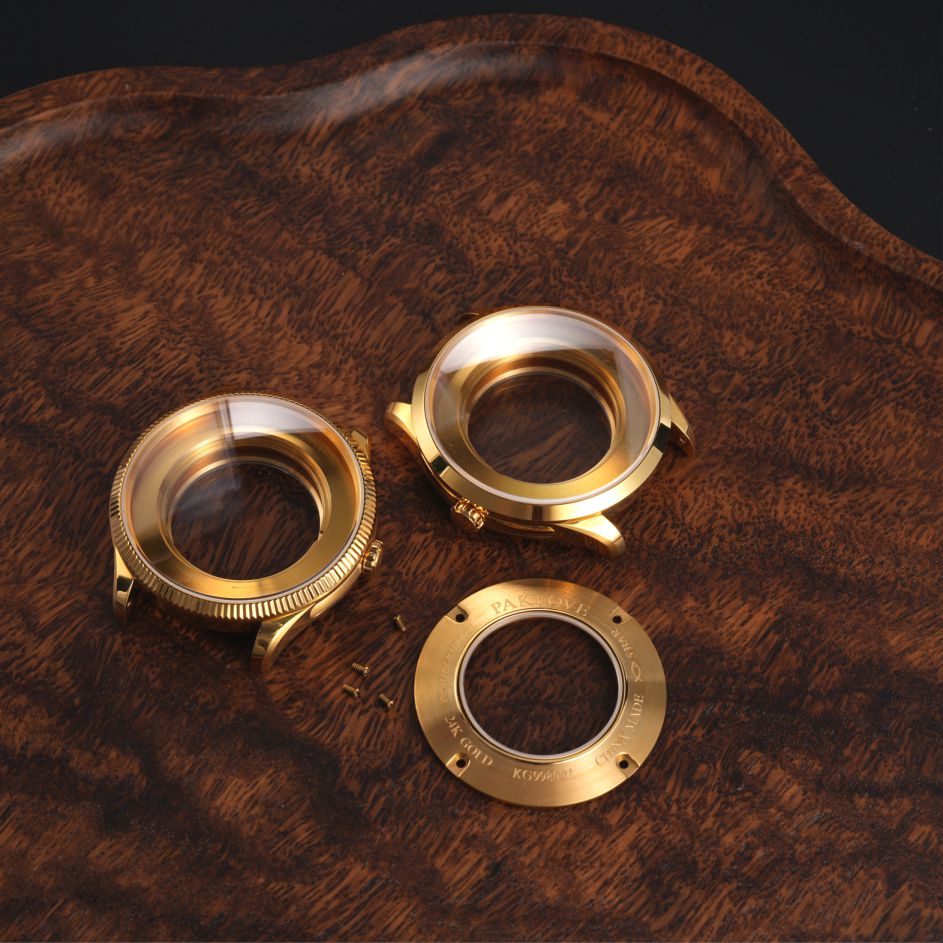
Unmatched Scratch Resistance and Durability of Sapphire Crystal
Sapphire Crystal’s Hardness on the Mohs Scale (9/10) and What It Means for Daily Wear
Sapphire crystal has a Mohs hardness rating of 9 out of 10, making it second only to diamond in scratch resistance. Everyday items like sand, steel, and keys simply can't damage its surface. The reason for this incredible durability lies in its atomic structure. Sapphire is made up of aluminum oxide (Al2O3) with atoms packed so tightly together that they form something close to an unbreakable shield. Mineral glass, which rates between 5 and 7 on the Mohs scale, just doesn't hold up as well. Acrylic fares even worse. Real-world tests show that sapphire stays clear and pristine for years longer than other materials. According to research published in 2023 by Ponemon Institute, this longevity actually cuts down on maintenance expenses by around three quarters when compared to alternative materials.
Real-World Performance: Long-Term Scratch Resistance in Luxury Watch Usage
High-end watches from brands such as Rolex and Omega often feature synthetic sapphire crystal because it can resist scratches even after many years of wear. Research indicates that over ten years of regular use, sapphire maintains about 98% of its initial clarity. That's way better than mineral glass which holds around 65%, or acrylic at just 40%. The toughness of this material means luxury watches can handle pretty rough situations without getting damaged. Whether sitting on someone's desk during meetings or getting tossed around while climbing mountains, these timepieces stay looking sharp despite whatever life throws at them.
Debunking the Myth: Is Sapphire Crystal Shatter-Resistant?
Sapphire is really tough against scratches, but it can still crack if dropped hard enough since it's so rigid that it sacrifices impact resistance for that amazing surface hardness. Tests show that when dropped, sapphire has about a quarter more chance of shattering than regular mineral glass. The good news though? Manufacturers have gotten better at making sapphire crystals through methods like thermal tempering which cuts down on breakage risks by roughly 40% according to Watch Lab research from last year. Most people who wear watches worry more about scratches than actual breaks anyway. After all, only around 15% of crystal replacements happen because someone accidentally dropped their watch, per numbers from the Horological Institute.
How Sapphire Crystal Compares to Mineral and Acrylic Alternatives
Sapphire vs Mineral Crystal: Clarity, Cost, and Resilience
When it comes to durability, sapphire crystal beats mineral glass hands down. Take hardness ratings as just one example the Mohs scale gives sapphire a solid 9 out of 10, whereas mineral glass only scores between 5 and 6 according to Ponemon's research back in 2023. What does this mean in practice? Well, scratch resistance is basically built into sapphire watches. Most mineral glass watches start showing those annoying little scratches after about two to three years of normal daily wear. Sure, sapphire costs manufacturers anywhere from three to five times what mineral glass does, but think about it this way: fewer repairs and replacements over time actually save money in the long run. And let's not forget clarity either. A recent study published in 2024 by horology experts showed that after ten whole years, sapphire still lets through around 92% of light, while mineral glass models drop down to about 78%. That kind of difference really matters when looking at a watch face all day long.
Acrylic vs Sapphire: Vintage Charm Versus Modern Durability
Vintage collectors love acrylic for its classic look and because it won't shatter like glass. The material's softness means those pesky little scratches can often be buffed out with some elbow grease. But there's a catch. Acrylic tends to scratch way faster than sapphire when exposed to similar wear and tear. Most people find themselves needing to polish their acrylic pieces somewhere between six months to a year apart. For today's luxury watch enthusiasts, toughness matters most. According to recent surveys, around ninety percent of high-end watch owners go for sapphire crystals in their everyday timepieces. They appreciate how these toughened glass alternatives stay clear and pristine even when bumped into things during normal daily activities.
Key Advantages of Sapphire Crystal: Scratch Resistance, Hardness, and Light Transmittance
| Attribute | Sapphire | Mineral | Acrylic |
|---|---|---|---|
| Mohs Hardness | 9 | 5–6 | 3–4 |
| Scratch Resistance | 10x Mineral | 2x Acrylic | Base Level |
| Light Retention | 92% after 10y | 78% after 10y | 65% after 2y |
| Impact Resistance | Moderate | High | Highest |
Sapphire’s synthetic production enables precise optical calibration, achieving 99.6% light transmission for distortion-free readability. While no material is universally perfect, sapphire’s balance of elegance and engineering makes it the definitive choice for contemporary luxury timepieces.
Superior Optical Clarity and Aesthetic Appeal of Sapphire Crystal
Exceptional Transparency and Glare Reduction in Sapphire Watch Crystals
Sapphire crystal offers outstanding optical clarity with around 99.6% light transmission, so colors stay true and there's less glare even when things get really bright outside. Mineral glass tends to develop a bit of haze over time, but sapphire has this amazing crystalline structure that just doesn't let those annoying visual distortions happen. That means all those fancy guilloché patterns and sunburst effects look crisp and clear instead of getting lost in the glass. What makes sapphire truly stand out is how it handles glare down at the molecular level. For people who need to read their watch face instantly underwater or in an airplane cockpit where lighting changes constantly, this property becomes absolutely essential. Dive watches and aviation instruments benefit massively from this feature since split-second decisions often depend on being able to see what's happening right away.
Maintaining Brilliance: How Sapphire Preserves a Watch’s Visual Appeal Over Time
Synthetic sapphire has this amazing property where its molecular structure doesn't let stuff from the environment get into it, so the surface stays clear and looks almost brand new even after many years. Acrylic tends to turn yellow over time, while mineral glass gets those tiny scratches we barely notice at first. But sapphire keeps about 95% of how much light passes through it after being worn every day for ten whole years. Watch collectors know this well because vintage watches with sapphire crystals just don't need polishing as often as ones made with regular materials. The reason? Sapphire stands up better against oxidation and those little scratches that slowly make other watch faces look cloudy and dull.
Anti-Reflective Coatings and Their Role in Enhancing Sapphire’s Optical Performance
The latest anti-reflective coatings really bring out what sapphire does best, cutting down on those annoying surface reflections by around 98% when multiple layers are used, according to that report from Optical Coatings in 2023. These super thin coatings get applied to both sides of the crystal and basically wipe away that white haze people see when there's lots of light around. What's cool is they don't compromise on scratch resistance either. Watchmakers have been raving about this combo since it means their creations stay clear and easy to read whether someone is wearing them on a rugged adventure or at a fancy dinner party.
The Role of Synthetic Sapphire in Luxury and Smartwatches
Why Synthetic Sapphire Is the Standard in High-End Mechanical and Smartwatches
Premium watches often use synthetic sapphire crystal since it combines exceptional hardness at around 9 on the Mohs scale with outstanding optical clarity. Lab-created versions actually have fewer impurities compared to their natural counterparts, yet still let through about 95% of light which makes them great for reading watch faces whether we're talking classic luxury models or those fancy new smartwatches everyone seems to be wearing these days. Watchmakers really appreciate this stuff because it stands up against everyday scratches from things like sand particles quartz only scores 7 on that same hardness scale after all while still allowing plenty of creative freedom when designing different watch styles.
Engineering Precision and Prestige: The Dual Appeal of Sapphire in Watchmaking
Making synthetic sapphire is no small feat. The process needs temperatures over 2000 degrees Celsius just to turn high purity alumina into those single crystal ingots we know as sapphire. And it doesn't stop there. After all that heat, they still need diamond cutting tools to shape the material properly. That's why sapphire has become so closely linked with luxury items. According to some Swiss watchmakers who should know, around three out of four customers spending over five grand on a timepiece want sapphire crystals. People see this stuff as a mark of quality engineering and social standing. It's not just about looks anymore.
High-Purity Alumina (HPA): The Foundation of Quality Synthetic Sapphire
The production of modern sapphire depends heavily on high purity alumina (HPA) that needs to be around 99.99% pure to avoid issues like cloudiness or weak spots in the crystal structure. When manufacturers stick to this quality benchmark, they get products that work reliably whether it's for those fancy watch faces or protecting camera lenses on phones. There have been some interesting developments lately with improvements to the Czochralski method of growing crystals. These changes seem to have brought down manufacturing expenses quite a bit over the past few years without compromising what makes sapphire so tough. As a result, we're seeing more hybrid smartwatches hit the market these days, combining traditional looks with all the modern touch features consumers want.
Preserving Long-Term Value with Sapphire Crystal
How Scratch-Resistant Sapphire Enhances Resale Value and Collector Appeal
The scratch resistance of sapphire crystal, which scores 9 out of 10 on the Mohs scale, really protects the watch face from damage and this makes a big difference when it comes to resale value. Watch collectors tend to look for pieces with flawless crystals because even small scratches on cheaper mineral glass watches can knock down their secondhand price by around 15 to maybe even 20 percent according to recent market trends in luxury watches. Sapphire just keeps looking clear and sharp for years without clouding up like acrylic or mineral glass tends to do over time. This means no expensive repairs down the road since replacing a damaged crystal typically costs anywhere between two hundred to five hundred dollars at most watch repair shops these days.
| Factor | Sapphire Crystal | Mineral Glass |
|---|---|---|
| 5-Year Resale Value | 95–98% | 75–82% |
| Scratch Incidence | <1% | 38% |
| Lifetime Maintenance | $0 | $600–$1,500 |
Data sourced from 2024 horological investment reports
Case Study: Luxury Watches with Sapphire Crystals Retaining Market Value
A 2024 analysis of pre-owned luxury watches revealed that models with original sapphire crystals retained 96.7% of their value over 10 years, outperforming mineral glass counterparts by 22%. Leading Swiss brands observed only a 2.2% depreciation in sapphire-equipped models compared to broader market trends, with collectors paying premiums of 18–30% for scratch-free vintage examples.
Investment Perspective: Choosing Sapphire for Lasting Aesthetic and Functional Integrity
- Cost Efficiency: Eliminates recurring replacement expenses common in mineral/acrylic crystals
- Collector Demand: 83% of auctioned luxury watches feature original sapphire crystals (2024 auction house data)
- Aesthetic Preservation: Anti-reflective coatings maintain 99.4% light transmission after 20+ years
The crystal’s permanent durability aligns with the long service life of premium mechanical movements, making sapphire the logical choice for investors prioritizing functional and visual longevity.
FAQ
Is sapphire crystal more durable than mineral glass and acrylic?
Yes, sapphire crystal is significantly more durable than both mineral glass and acrylic. It has a Mohs hardness rating of 9, making it highly scratch-resistant, whereas mineral glass and acrylic are much softer and scratch more easily.
Can sapphire crystal shatter easily?
While sapphire crystal is excellent for scratch resistance, it can still shatter if dropped or hit hard due to its rigidity. However, innovations like thermal tempering have reduced breakage risks significantly.
How does sapphire crystal affect watch resale value?
Sapphire crystal maintains the clarity and appearance of watches over time, which enhances resale value. Watches with sapphire crystals often retain a higher percentage of their original value compared to those with mineral glass or acrylic.
Why do luxury watches often use sapphire crystals?
Luxury watches often feature sapphire crystals due to their superior scratch resistance, clarity, and durability. They maintain their pristine appearance and require less maintenance, which is highly valued in high-end timepieces.
Table of Contents
- Unmatched Scratch Resistance and Durability of Sapphire Crystal
- How Sapphire Crystal Compares to Mineral and Acrylic Alternatives
- Superior Optical Clarity and Aesthetic Appeal of Sapphire Crystal
- The Role of Synthetic Sapphire in Luxury and Smartwatches
- Preserving Long-Term Value with Sapphire Crystal
- FAQ