
 EN
EN
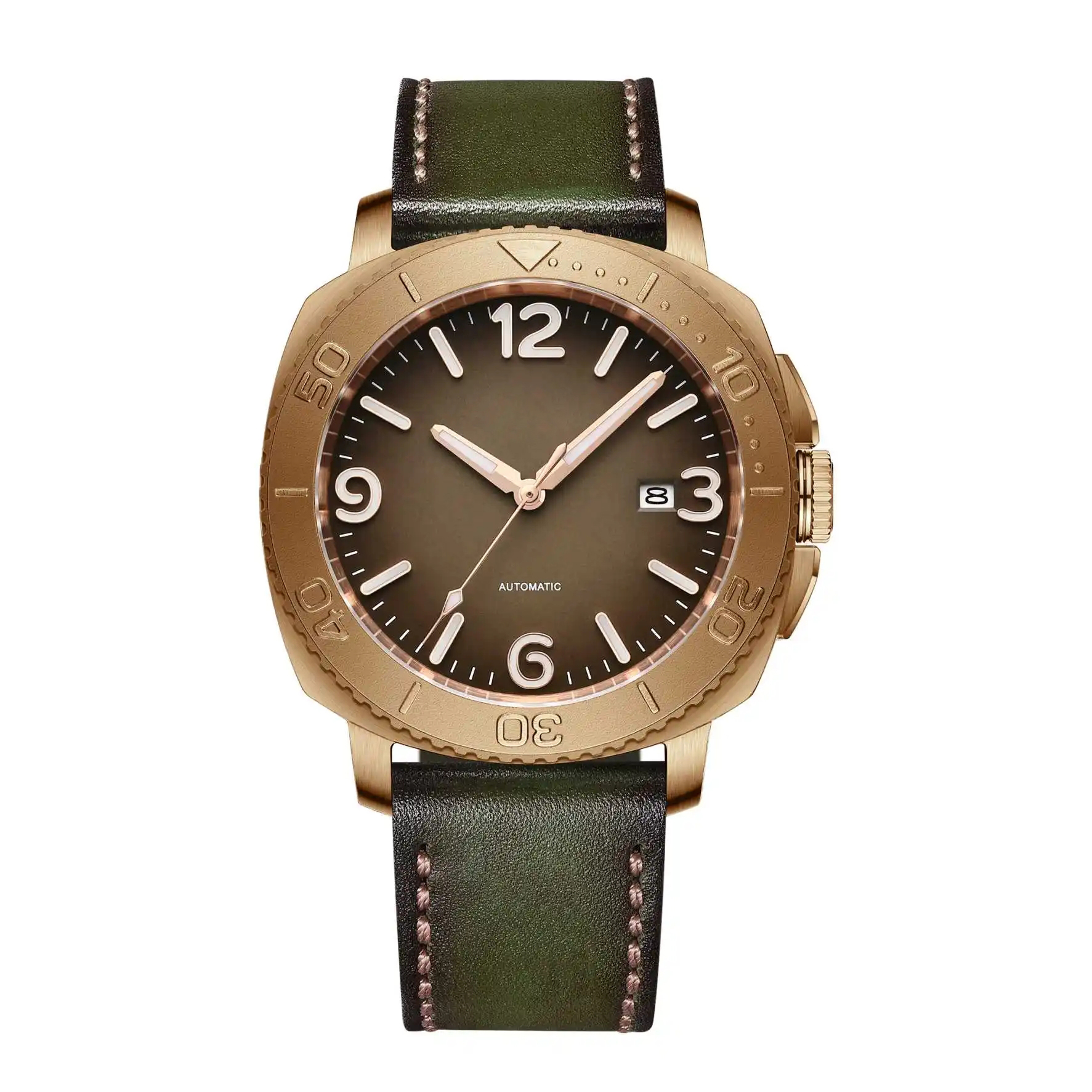
Superior Craftsmanship and Heritage in Luxury Watch Manufacturing
High end watches stand at the top of what watch makers can do, mixing old school methods passed down through generations with today's advanced tech. According to Vertu's latest report from 2023, folks spent around 40 billion dollars on luxury watches last year. People want these watches because they crave that handmade feel and connection to history that only certain brands can deliver. How do the best watch companies pull this off? Well, there are basically three things they focus on. First, they keep those traditional crafts alive, making sure skilled hands continue working with materials just like their ancestors did. Second, these companies invest heavily in training their craftsmen until they reach true mastery levels. And third, while respecting tradition, smart manufacturers also find ways to bring in new technologies without losing what makes their products special in the first place.
The Role of Traditional Craftsmanship in Defining Watch Quality
Hand-finishing techniques like anglage (beveling movement components) and perlage (circular graining) remain hallmarks of high-end watchmaking. These methods, refined over 300 years of Swiss watchmaking history, require 300+ hours of manual labor for a single movement (Vertu 2025). Unlike mass-produced alternatives, heritage-focused manufacturers maintain:
- 98.4% component in-house production rates
- 0.005mm tolerance standards for gear meshing
- 50-stage quality checks for every escapement
Human Expertise in Precision Engineering and Quality Assurance
Skilled artisans remain irreplaceable in critical processes such as hairspring adjustment and tourbillon assembly. Leading manufacturers require:
- 10-year apprenticeship programs for movement engineers
- Annual 120-hour precision tooling recertification
- 2,000-hour mentorship phases before independent assembly
This investment yields measurable performance advantages—master-adjusted calibers demonstrate 23% better chronometric stability than automated equivalents under ISO 3159 testing.
Integrating Time-Honored Techniques with Modern Innovation
Smart watchmakers today are combining old world techniques with cutting edge materials such as synthetic sapphire crystal which is roughly eight times tougher than regular mineral glass. They also incorporate laser etched coatings that let through about 94% of available light, plus special paramagnetic hairspring alloys that react much less to changes in temperature compared to traditional ones. Despite all this high tech stuff, many still rely on hand engraved patterns called guilloche work and carefully crafted enamel dials. What we get are watches that pass the tough ISO 6425 diving tests but somehow manage to keep that handmade charm that collectors love so much.
Technical Training and Skill Development in Established Watch Manufacturers
The luxury watch market has become increasingly complex, growing at around 5.7% per year according to Vertu's latest report from 2023. Top manufacturers are responding by investing heavily in their workforce development programs. They've set up specialized training environments including 3D movement simulation labs where watchmakers can practice without wasting precious materials. There are also micro-engineering workshops stocked with super precise tools capable of working at 0.001mm resolution. Many companies partner with leading materials science research centers on joint projects too. All these efforts create what some call an innovation ecosystem that keeps time-honored craftsmanship techniques relevant while embracing cutting edge developments like silicon balance springs which offer superior shock resistance compared to traditional materials. Some manufacturers have even started experimenting with MEMS technology to produce tiny mechanical components that were previously impossible to manufacture at such small scales.
Advanced Technologies and Innovative Materials in Modern Watch Production
How Innovation Enhances Quality in Watch Manufacturer Processes
Top manufacturers are now using some pretty amazing materials like ceramic alloys, titanium composites, and carbon fiber to make things last longer while cutting down on weight by around 40% when compared to regular stainless steel according to BlockApps research from 2024. These new materials help solve those old problems engineers have been dealing with for years including how to resist magnetic fields, fight off corrosion, and stand up to everyday wear and tear. Take proprietary carbon fiber laminates as an example. They hold up really well even when exposed to extreme temperatures which makes them perfect for watches used underwater or in airplanes where conditions can get pretty harsh sometimes.
3D Printing and Rapid Prototyping for Efficient Design Iteration
With multi material 3D printing technology, manufacturers can now create and evaluate complex parts such as tourbillon cages in just three days flat something that used to take several weeks back in the day. What does this mean practically? Well, design teams get through their validation phases much faster and save anywhere from thirty to fifty percent on prototype expenses. A recent report from the Horological Institute in 2023 showed some pretty impressive results too. Watchmakers who adopted these quick prototyping methods saw their products reach shelves four whole months sooner than usual when dealing with those complicated movement designs. Makes sense really considering how competitive the luxury watch market has become lately.
Automation and Robotics: Balancing Precision and Craft in Luxury Watches
Robots take care of those boring, repetitive jobs like cutting tiny gears with extreme accuracy, which lets skilled watchmakers concentrate on the special touches that make each piece unique. Modern manufacturing combines automation with traditional methods, resulting in around 99.7% reliability when it comes to waterproof tests, all while preserving the intricate details on watch faces and edges. What makes this approach so effective is how it allows high-end timepieces to satisfy industry standards for durability without losing that authentic handcrafted feel that collectors love so much.
Rigorous Precision Engineering and Quality Control Standards
The Importance of Quality Control in Experienced Watch Manufacturer Workflows
What sets luxury watches apart from factory-made copies? It's all about precision engineering. Established watchmakers have developed complex quality checks across multiple stages of production, cutting down on manufacturing errors by around 83% when compared to newer companies according to recent research (Ponemon Institute, 2023). Their inspection processes look at incredibly small details too — checking measurements within just +\- 2 microns during the assembly of internal components and fitting the outer case. To put that into perspective, these tolerances are roughly one tenth the thickness of a single strand of human hair! Many top watchmaking workshops also carry ISO 9001:2015 certification marks, showing they meet international standards for product quality control throughout their operations.
Reducing Counterfeit Risk and Ensuring Authenticity Through Proven Expertise
Legacy manufacturers deploy proprietary anti-counterfeiting measures such as micro-engraved serialization—laser markings invisible to the naked eye but detectable under UV light—and blockchain traceability for key components like sapphire crystals. Independent audits show these methods reduce imitation rates by 91% in markets with strong intellectual property enforcement (Ponemon 2023).
Testing and Validation: From Prototype to Final Product Evaluation
Every component undergoes 27+ validation stages, including 500-hour simulated wear testing, thermal shock resistance (-20°C to 60°C cycles), and 200-meter water pressure simulations. These rigorous tests ensure a failure rate of less than 0.5% during the typical 10-year service life of a luxury watch.
Efficiency, Innovation, and Speed-to-Market with Seasoned Watch Manufacturers
Leveraging Manufacturer Expertise for Product Innovation
Established manufacturers combine decades of technical knowledge with modern R&D practices to deliver groundbreaking designs. Since 2020, leading providers have reduced prototyping cycles by 40% (McKinsey 2023) through advanced 3D modeling tools, enabling faster development of innovations such as ultra-thin mechanical movements and hybrid smartwatch modules.
Proven Workflows That Drive Production Efficiency and Scalability
Mature manufacturers achieve 98% assembly-line efficiency through digitized quality checks and modular production systems. This allows seamless scaling from prototypes to batches exceeding 50,000 units per month, all while maintaining defect rates at or below 0.5%—a crucial advantage for brands targeting international markets.
Case Study: Accelerating Time-to-Market with an Established Watch Manufacturer
A European startup partnered with a Swiss-trained manufacturer to launch a solar-powered dive watch, achieving:
- Concept to Prototype: 11 weeks (versus an industry average of 18)
- Certification Compliance: First-attempt success in meeting ISO 6425 water resistance and COSC chronometer standards
- Market Launch: Full-scale production within five months of initial design
The collaboration shortened time-to-market by 34% compared to working with newer suppliers.
Can New Entrants Match the Performance of Legacy Watch Manufacturers?
Newer manufacturers might seem cheaper at first glance, but according to Deloitte's research from last year, around 7 out of 10 brands actually end up spending more money over time because of all the fixes needed and late product releases. Established companies still hold their ground thanks to well-developed supply chains that give them direct access to high quality aerospace materials. They've already got the necessary certifications sorted out for selling products worldwide, which saves tons of time and hassle later on. Plus, these older firms have service centers located across over 150 different countries, so they can handle maintenance and repairs without shipping parts halfway around the world. All this existing infrastructure makes it possible for them to update and improve their products roughly twice as fast as new startups trying to build similar systems from scratch.
Building Long-Term Trust and Reliability in Watch Manufacturer Partnerships
The Value of Strong, Collaborative Relationships with Watch Manufacturers
Working closely with reliable manufacturers really helps maintain consistent products and makes operations run smoother. According to research published last year looking at partnerships within luxury goods manufacturing, companies that had long term supplier relationships saw about 40 percent less delays during production and their customers were around 28% happier overall. When there's good communication between parties and they tackle problems together, it creates a sense of responsibility. Manufacturers can then stick closer to what the brand expects from them and handle issues like running out of materials or complicated designs before they become major headaches.
Mutual Growth Through Joint Product Development and Feedback
Brands that want to stay ahead in their field see manufacturers not just as suppliers but real partners in creating new products. When companies share what they learn at every stage from making prototypes all the way to after launch sales, it helps improve things like how tightly parts fit together (sometimes getting down to just 0.01 mm difference). Manufacturers can also suggest better materials during this process. We've seen cases where watchmakers switched to ceramic bezels that don't get scratched easily. These kinds of back and forth collaborations actually create valuable company knowledge over time. The result? Fewer mistakes needing fixing later on. Some businesses report cutting down on wasted work by around 35% when they maintain these relationships for several years.
Using Test Samples to Evaluate Performance and Establish Trust
Testing actual samples remains one of the best ways to check what a manufacturer can really deliver. When companies thoroughly examine prototype watches looking at things like timekeeping precision (around plus or minus 2 seconds per day is standard), water resistance (at least 10 atmospheres pressure rating recommended), and overall finish quality, they tend to cut down on problems after mass production drops by about half. Watch brands that go through multiple rounds of sample testing from initial design concepts all the way through to final prototypes build customer confidence much quicker than competitors who only do one round of checks before going into full scale manufacturing.
FAQ Section
Why are traditional craftsmanship techniques important in luxury watchmaking?
Traditional craftsmanship techniques, like hand-finishing, are vital because they reflect centuries of expertise and provide a unique touch that mass-produced watches cannot replicate. It adds to the luxury appeal and value of the watch.
How do modern innovations benefit luxury watch production?
Modern innovations, such as using advanced materials like synthetic sapphire or incorporating 3D printing, enhance durability, precision, and design possibilities, allowing watchmakers to produce high-quality timepieces that maintain their luxury appeal.
What role do training and skill development play in manufacturing luxury watches?
Training and skill development ensure that artisans and engineers achieve mastery in their craft, enabling them to maintain high precision and quality standards essential for luxury watches. This process supports innovation while preserving traditional methods.
How do established watch manufacturers handle counterfeiting risks?
They employ methods like micro-engraved serialization, laser markings, and blockchain traceability to ensure authenticity and reduce counterfeiting risks, effectively protecting their products and brand reputation.
What advantages do legacy watch manufacturers have over new entrants?
Legacy manufacturers benefit from established supply chains, extensive industry knowledge, and pre-existing certifications, which enable them to maintain high quality, achieve faster time-to-market, and offer reliable product repair and maintenance services worldwide.
Table of Contents
- Superior Craftsmanship and Heritage in Luxury Watch Manufacturing
- Advanced Technologies and Innovative Materials in Modern Watch Production
- Rigorous Precision Engineering and Quality Control Standards
- Efficiency, Innovation, and Speed-to-Market with Seasoned Watch Manufacturers
- Building Long-Term Trust and Reliability in Watch Manufacturer Partnerships
-
FAQ Section
- Why are traditional craftsmanship techniques important in luxury watchmaking?
- How do modern innovations benefit luxury watch production?
- What role do training and skill development play in manufacturing luxury watches?
- How do established watch manufacturers handle counterfeiting risks?
- What advantages do legacy watch manufacturers have over new entrants?