Home > News > INDUSTRY NEWS
The global watch market in 2026 is experiencing a profound paradigm shift: moving away from aggressive, oversized aesthetics and returning to refined wearability and nuanced material expression. As seen in major 2026 horological exhibitions, elite Maisons and independent watchmakers are prioritizing wrist ergonomics over sheer specification racing.
For independent watch brands and microbrands, following trends is only half the battle. The ultimate challenge is how to execute these high-end, luxury-level design codes within a scalable, high-yield production framework. This comprehensive guide breaks down the defining watch design trends of 2026 across materials, craftsmanship, colors, and structure, providing actionable manufacturing insights for brand founders.
The most definitive signal of 2026 is the complete retreat of the oversized watch trend. The new industry standard for men’s and unisex timepieces has firmly settled between 36mm and 39mm, accompanied by an industry-wide obsession with slim profiles.
Compressing case diameters while slashing thickness (e.g., keeping sports watches under 10mm and dress profiles under 8mm) introduces extreme structural challenges:
Zero Tolerance for Stack-Up Variance: Shrinking the internal volumetric space means the vertical clearance between the sapphire crystal, handset, dial layers, and the movement is cut to fractions of a millimeter. Any minor deviation will cause catastrophic issues, such as hands touching the crystal or the rotor scraping the case back.
Proactive Design for Manufacturing (DFM): To mitigate these risks, partnering with an OEM that offers an experienced in-house watch engineering team is vital. Structural viability, gasket compression under stress, and movement shock-absorption must be calculated during the initial 3D CAD stage to balance slimness with robust durability.

In 2026, Grade 5 Titanium (Ti-6Al-4V), high-tech ceramics, and advanced carbon composites have successfully transitioned from specialized racing or avant-garde dive watches into daily luxury wear, driven by the consumer demand for lightweight comfort.
Trend Material |
Aesthetic & Style Application |
Manufacturing & Finishing Bottlenecks |
Grade 5 Titanium |
Highly valued for its strength-to-weight ratio and sleek dark-gray hue; bridges the gap between luxury sports and dress pieces. |
Extremely difficult to mirror-polish. Requires high-rigidity CNC machinery and specialized cutting speeds, or the edges run round and the polished surfaces turn dull/black. |
High-Tech Colored Ceramic |
Focuses on rich, fade-resistant, desaturated tones (e.g., smoked grey, icy mint, matte black). Master of scratch resistance. |
Shrinkage control during sintering is notoriously volatile (often exceeding 20%). Prone to micro-cracking and color inconsistency without rigorous thermal parameter recipes. |
Natural Stone Dials |
Sodalite, Jasper, Onyx, and Aventurine; celebrated for providing an organic, unique, 1-of-1 texture to every piece. |
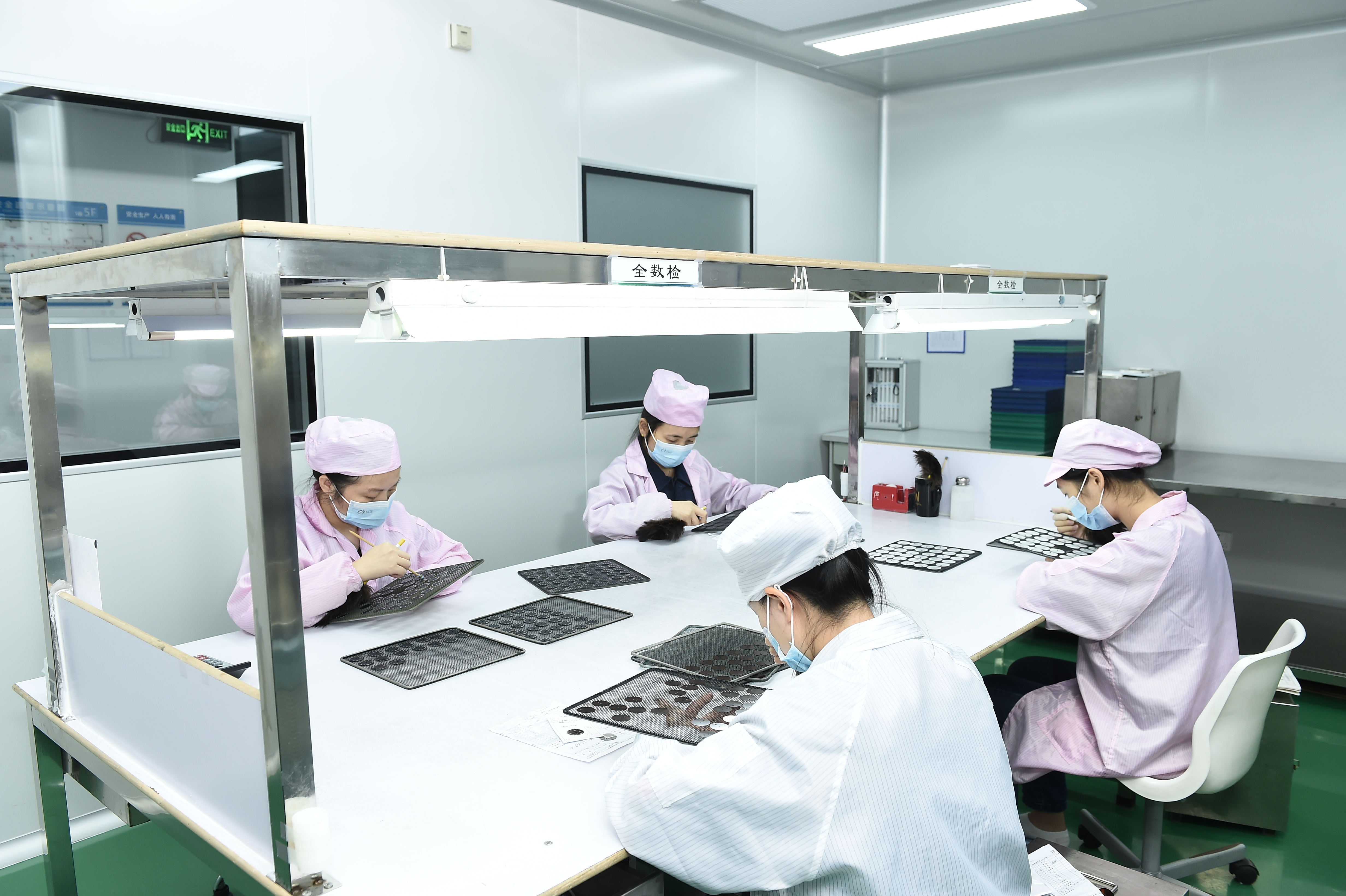
Dials must be sliced down to roughly 0.4mm. Highly brittle nature leads to high fracture rates during CNC profiling and date-window milling, demanding elite quality control. |
After years of vibrant rainbow colorways, the 2026 dial palette splits into two sophisticated directions: earthy matured tones (Burgundy, smoked Mocha, deep Olive Green) and monolithic cool scales (slate grey, matte black, stark white).
Visually, depth is achieved via multi-layer lacquering and intricate openworked (skeletonized) architectures.
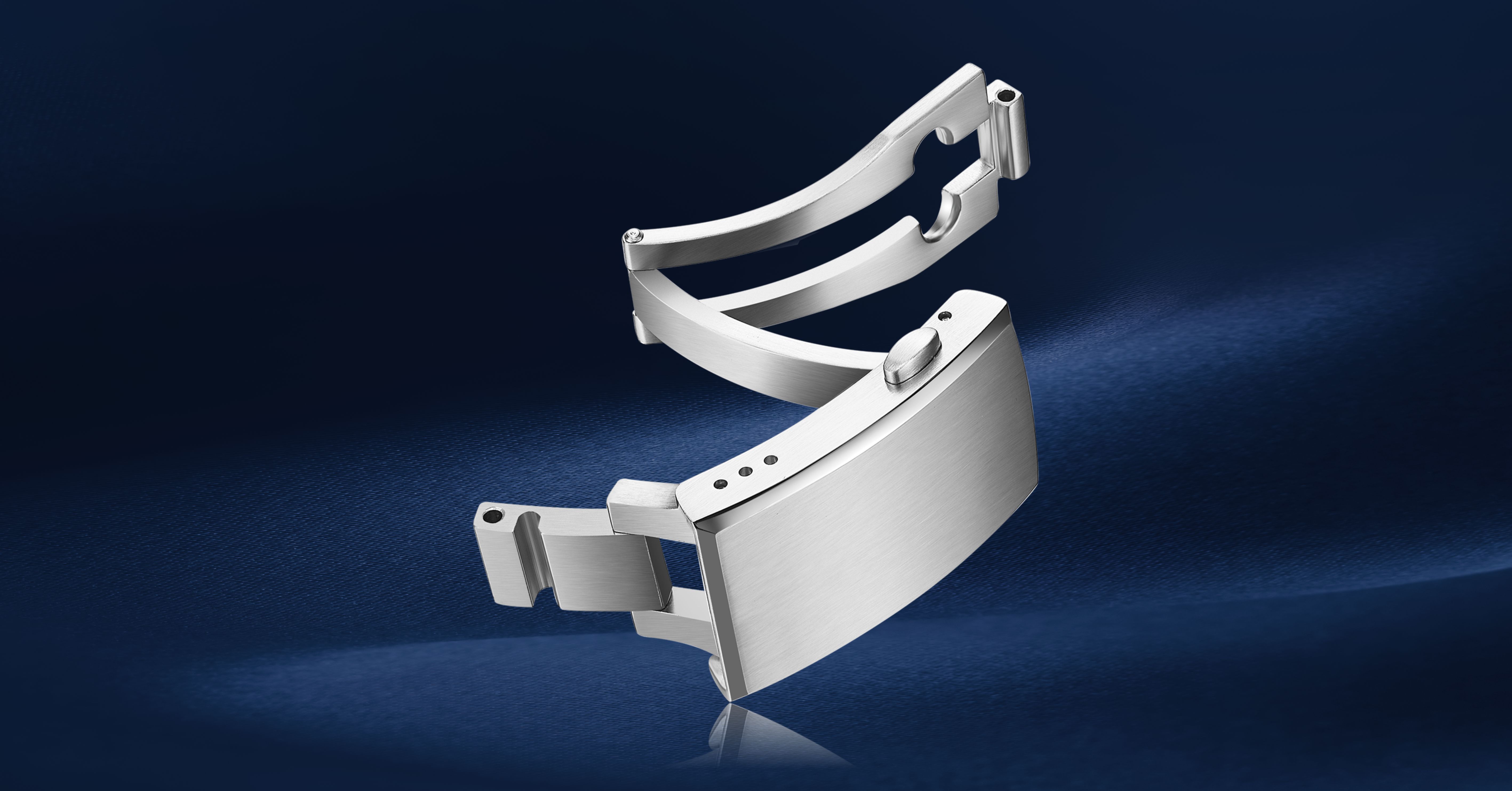
Modern collectors demand versatility. The ability to shift a timepiece from a rugged integrated steel bracelet to a premium FKM rubber strap seamlessly is a mandatory product requirement in 2026.
The takeaway for 2026 is simple: the market is won not by the loudest concept, but by the highest execution of detail. For scaling microbrands, securing an OEM partner with nearly two decades of manufacturing heritage (dating back to around 2006) and true end-to-end component integration (cases, dials, bracelets, and buckles) is the most critical step to translating 2026 design trends into commercially successful, enduring products.

Baoruihua (Dongguan) Precision Technology Co., Ltd. is a precision watch manufacturer specializing in OEM and ODM watch components, including cases, dials, bracelets, and buckles. We provide stable production, strict quality control, and reliable supply for global watch brands. Contact us to discuss your project.
Building5, No.459 Xiecao Road, Xiegang town, Dongguan, Guangdong
Copyright © 2025 by Baoruihua (Dongguan) Precision Technology Co., Ltd. Privacy Policy
 EN
EN
 Hot News