Home > News > INDUSTRY NEWS
Through Watches and Wonders Geneva 2026, we clearly see that this exhibition is not merely a showcase for new products from top brands, but a watershed moment in the transformation of the global watch supply chain. The stable procurement landscape formed over the past decade is being shattered, and three structural changes will redefine the supply chain ecosystem of the high-end watchmaking industry for the next 3-5 years. For global mid-to-high-end watch brands, those who can first insight into and adapt to these changes will gain a first-mover advantage in the new round of market competition.
The material system of the high-end watchmaking industry is undergoing its most profound transformation since the popularization of stainless steel. The long-standing "iron triangle" pattern of "gold + platinum + fine steel" has been completely broken, with diversification, functionality, and exclusivity becoming the core directions of material development.
For many years, special materials such as forged carbon fiber, tantalum metal, and self-luminous ceramics were only used in concept watches or six-figure limited editions. This situation was completely broken at the 2026 Geneva exhibition. IWC officially mass-produced its Ceralume® self-luminous ceramic technology, marking that this technology has broken through stability bottlenecks and is ready for large-scale batch production. H. Moser & Cie.'s forged quartz fiber case watch demonstrates that aerospace-grade composite materials can be processed into wearable artworks that combine aesthetics and practicality.
Behind this shift lies dual market drivers: consumer demand for lightweight and personalized watches continues to escalate, while brands hope to establish technical barriers and differentiated brand identities through exclusive materials. Procuring special materials has changed from an "optional experiment" to a "must-have" for brands. And these technologies, once monopolized by a handful of European suppliers, now have mature mass production solutions in the Guangdong-Hong Kong-Macao Greater Bay Area, capable of providing products of equal quality at more competitive costs.
Matte black ceramic has been used as a mature material for many years, but at this exhibition, ceramic technology ushered in a comprehensive breakthrough and explosion. White ceramics, gradient color ceramics, and full-ceramic bracelets with complex geometric structures have become mainstream. Tudor's full-ceramic Black Bay series and Cartier's two-tone ceramic bracelet fully demonstrate the maturity of ceramic processing technology.
The core driver of this trend is the upgrade of consumers' three core demands: "wear resistance, hypoallergenic properties, and modern texture." Brands are responding to the market by expanding the application scope of ceramics and increasing design complexity.
After a decade of fine steel watches dominating the market, precious metals made a strong comeback in 2026. Gold, rose gold, and platinum materials exploded comprehensively. Patek Philippe's Nautilus 50th Anniversary Edition and Vacheron Constantin's new slim Overseas series both use platinum as the core material, becoming the focus of the exhibition.
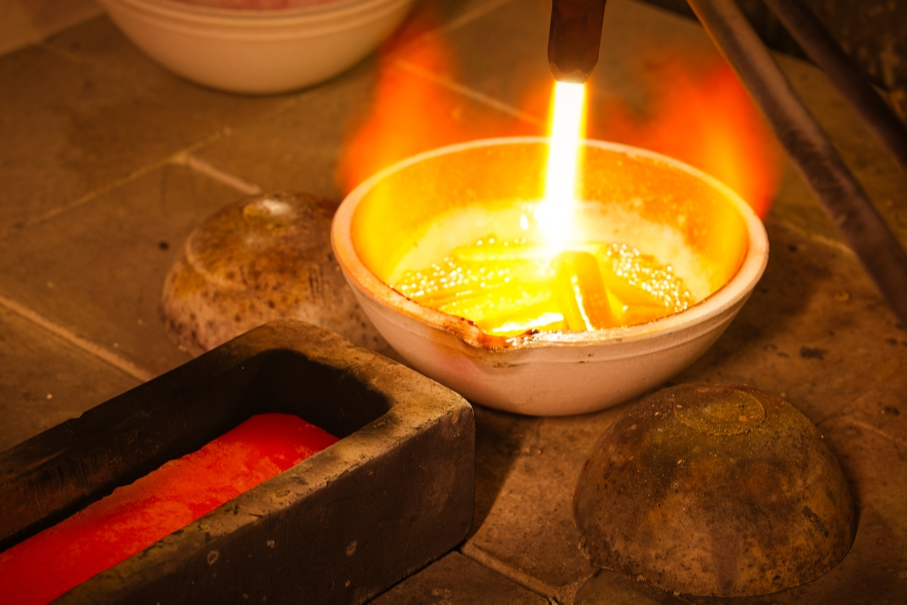
This recovery stems from two core logics: on the one hand, high-net-worth clients increasingly value the "intrinsic asset value" and "eternal sense of luxury" of watches; on the other hand, brands are improving average transaction values and optimizing product structures through precious metal series. For procurement teams, finding partners with full-process precious metal processing capabilities has become a top priority. In addition to exquisite polishing processes and micron-level thread and pressing tolerances, full traceability of precious metals, waste recycling systems, and compliant raw material procurement channels have become indispensable assessment criteria — in the current environment of high and volatile precious metal prices, any quality defect or compliance issue will bring huge economic losses.
For a long time, the craftsmanship focus of high-end watchmaking was almost entirely concentrated on movements and dials. The most significant change at this exhibition is that craftsmanship is spilling over to every surface of the watch, and "integrated design" is rapidly sinking from an exclusive practice of top brands to an industry standard in the mid-to-high-end market.
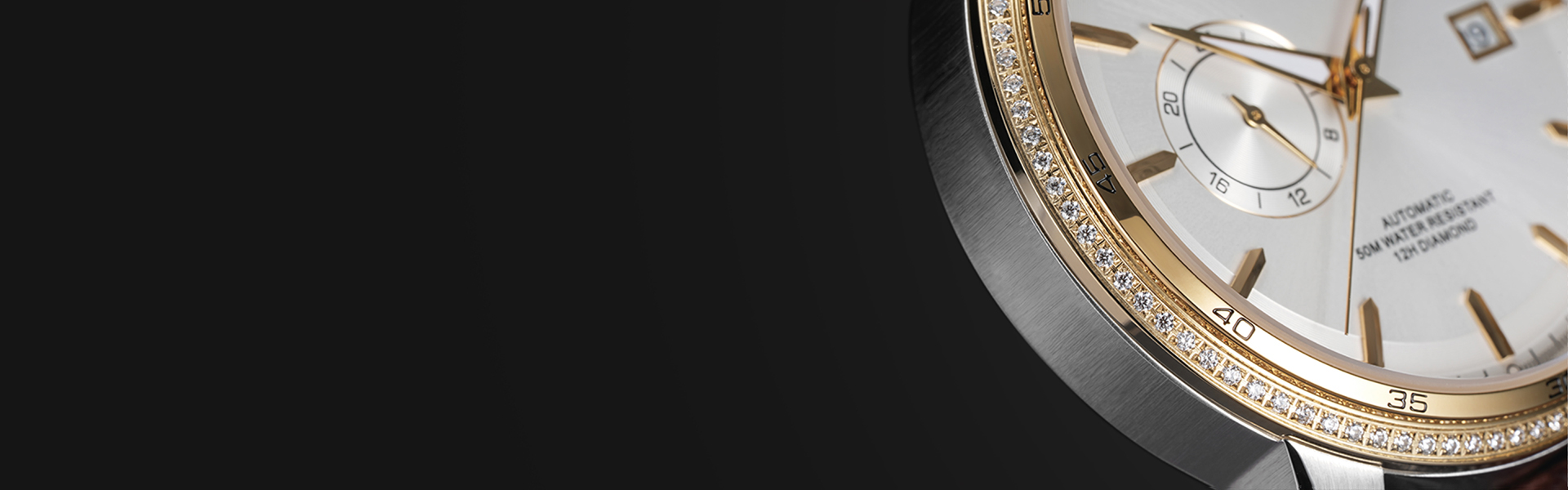
Piaget extended its iconic Guilloché craftsmanship from the bezel to every link of the bracelet; Audemars Piguet's pebble-shaped case watch features a polished surface that seamlessly wraps from the middle case to the lugs and naturally transitions to the strap connection, making the entire watch appear as if carved from a single block of material.
This "full-surface craftsmanship" trend reflects the market's strong demand for integrated design and visible handcraftsmanship. By turning every component into a canvas for craftsmanship display, brands provide solid support for premium pricing. For procurement, this means suppliers can no longer only excel at processing single components, but must have the ability to control process consistency across multiple components.
In the past, the value of high-end watches was mainly determined by the complexity of the movement. Today, this value logic is undergoing a fundamental transformation: exterior components (cases, dials, bracelets) are replacing movements as the core carrier of brand premium.
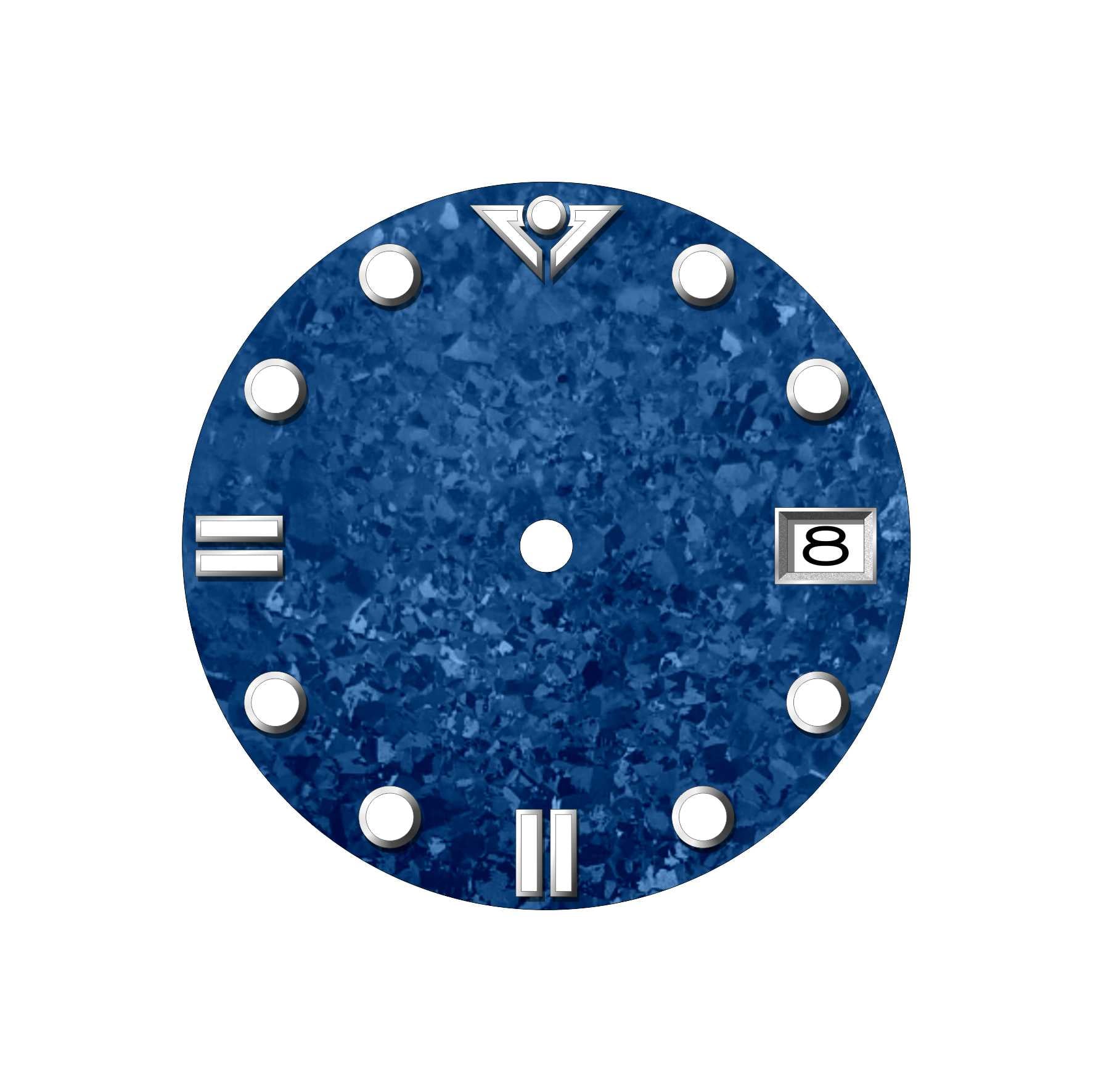
Natural stone dials are undoubtedly the most eye-catching aesthetic trend at this exhibition. Lapis lazuli, malachite, tiger's eye, obsidian, and even rarer mineral materials have been widely adopted by almost all top brands including Piaget, Vacheron Constantin, Chopard, and Cartier.
Consumers are increasingly viewing watches as "wearable art" and a vehicle for self-expression, and the unique textures and colors of natural stones perfectly meet this demand. For brands, stone dials not only create differentiated bestsellers but also significantly increase product premiums. However, processing natural stones is extremely challenging: each rough stone differs in hardness, texture, and brittleness, and typically fewer than 10 out of 100 rough stones can meet the quality requirements for high-end watches.
As a professional mid-to-high-end watch component manufacturer rooted in the Guangdong-Hong Kong-Macao Greater Bay Area for 20 years, BURRIVA has a deep layout in the global watchmaking industry chain. In response to the three structural transformations revealed by this exhibition, we have established mature technical solutions and mass production capabilities:
From Geneva to the Greater Bay Area, the global watch supply chain is undergoing a profound restructuring. The cutting-edge designs and technologies showcased by top brands in Geneva ultimately need to be transformed into mass-producible products through mature supply chains. With its complete watch industry chain, precise manufacturing capabilities, and efficient response speed, the Guangdong-Hong Kong-Macao Greater Bay Area has become an indispensable strategic partner for global mid-to-high-end watch brands.
We are equipped with more than 100 internationally leading devices including 5-axis CNC machine tools, precious metal analyzers, and 2.5D image measuring instruments, and have established a quality control system that meets mid-to-high-end watchmaking standards. We can provide global brands with one-stop customized services from conceptual design and prototype development to mass production.
As a core watch component supplier in the Greater Bay Area, BURRIVA always keeps pace with global industry trends. With exceptional technical strength and professional service attitude, we help brands transform cutting-edge ideas into market-competitive products. If you are planning your next high-end watch collection, we welcome you to contact our technical team to explore the best solutions together.

Baoruihua (Dongguan) Precision Technology Co., Ltd. is a precision watch manufacturer specializing in OEM and ODM watch components, including cases, dials, bracelets, and buckles. We provide stable production, strict quality control, and reliable supply for global watch brands. Contact us to discuss your project.
Building5, No.459 Xiecao Road, Xiegang town, Dongguan, Guangdong
Copyright © 2025 by Baoruihua (Dongguan) Precision Technology Co., Ltd. Privacy Policy
 EN
EN
 Hot News