For independent watch brand founders and microbrand operators, sourcing a manufacturing partner is the single highest-leverage decision in the entire business. The right factory accelerates product development, protects margins, and enables consistent quality that builds collector trust over years.
The wrong factory — even a superficially convincing one — can destroy prototype budgets, miss launch windows, and generate return rates that permanently damage a brand's reputation in the community-driven independent watch market. This guide approaches the question of how to find a watch manufacturer from a structural decision framework, not a directory listing.
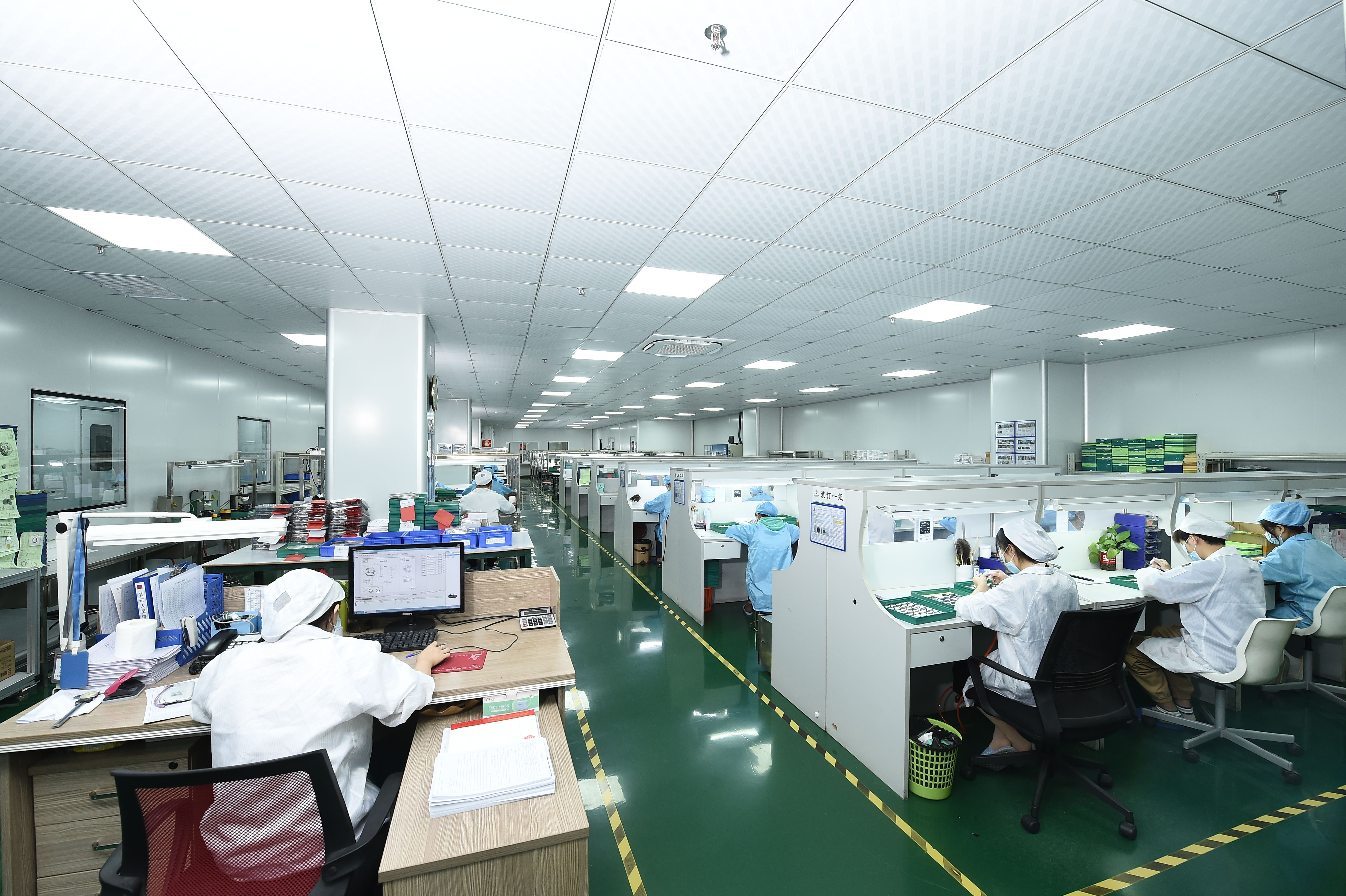
The first and most costly pitfall is selecting a factory based on pricing without evaluating technical infrastructure. A manufacturer offering the lowest tooling quote frequently lacks the multi-axis CNC precision required for complex case geometries, and the savings evaporate in rejected prototype runs, rework costs, and delayed launches.
The second pitfall is engaging a trading company rather than an actual production facility. Trading companies insert a markup layer, lack direct engineering accountability, and cannot provide the in-house DFM (Design for Manufacturing) review that prevents structural problems from reaching the prototype stage.
The third pitfall is fragmenting the exterior component supply chain across multiple vendors — sourcing the case from one supplier, the dial from a second, and the bracelet from a third. This multi-vendor fragmentation produces tolerance stack-up that manifests as loose end-links, mismatched steel surface tones, and dial foot misalignments that cannot be corrected without full redesign.
The fourth pitfall is omitting standardized quality control verification. A factory that cannot demonstrate calibrated water resistance testing equipment, spectral material certification capability, and documented IQC-to-OQC inspection traceability has no systematic mechanism to detect and contain defects before shipment.
The fifth pitfall is selecting a factory without confirmed DFM engineering capability. Watch exterior manufacturing involves structural interactions — crystal deformation under hydrostatic pressure, gasket compression ratios, handset clearance tolerances — that must be modeled before production begins.
A reliable watch manufacturer for mid-to-high-end independent brands must clear four non-negotiable capability thresholds.
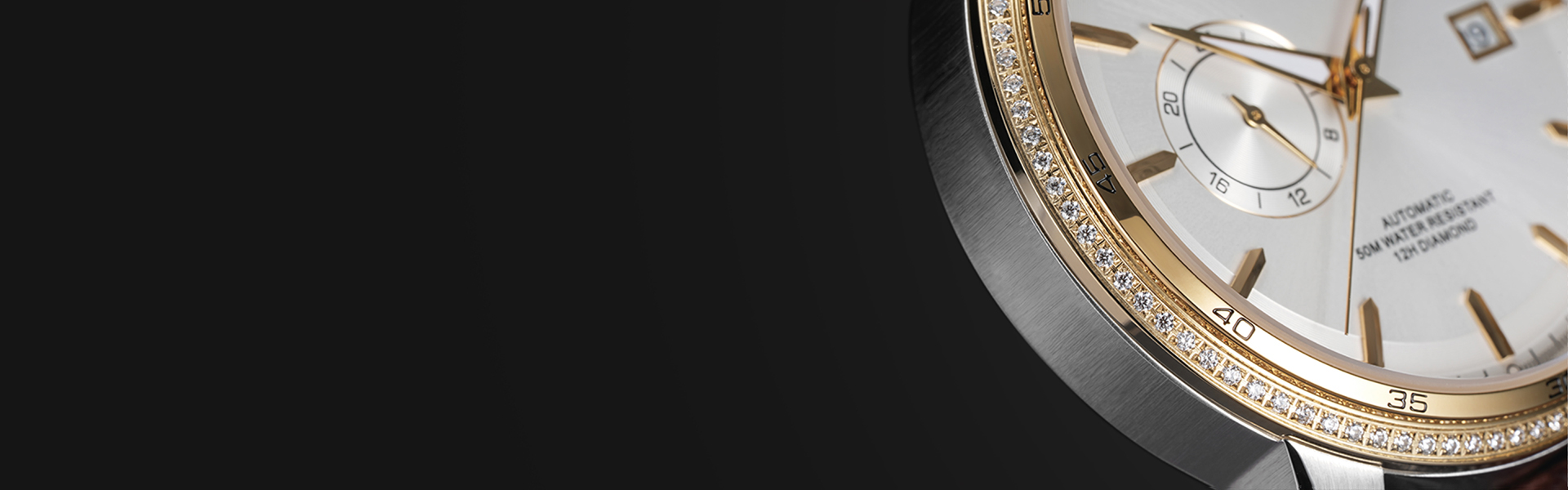
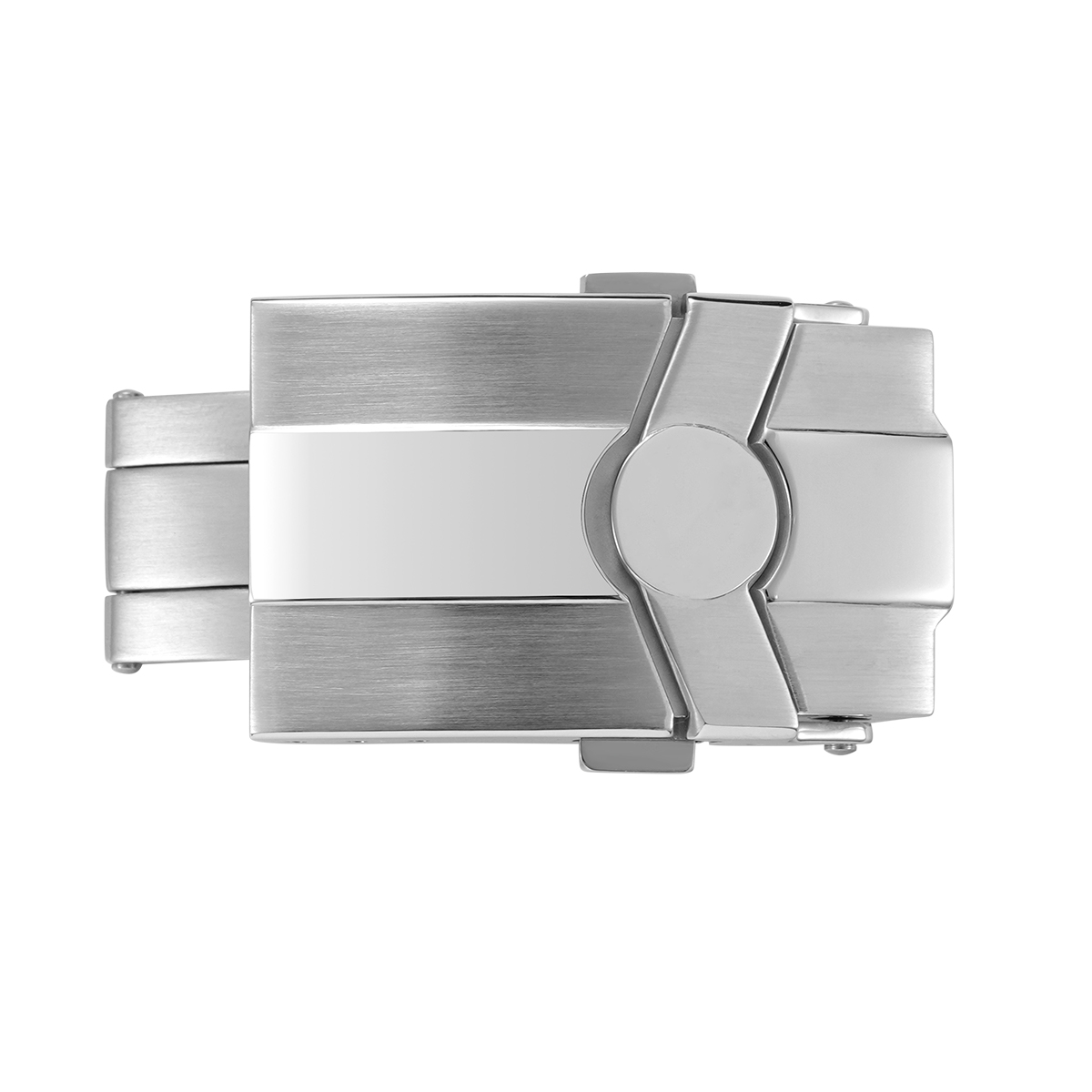
First, multi-axis CNC machining capability for complex case geometries: modern microbrand designs feature multi-faceted profiles with alternating brushed and mirror-polished surfaces that require high-tolerance multi-axis tooling to execute cleanly. The transition line between finishes is the definitive quality marker — premium production maintains razor-sharp boundaries, while under-equipped factories allow over-polishing to round the edges and blur the finish delineation.
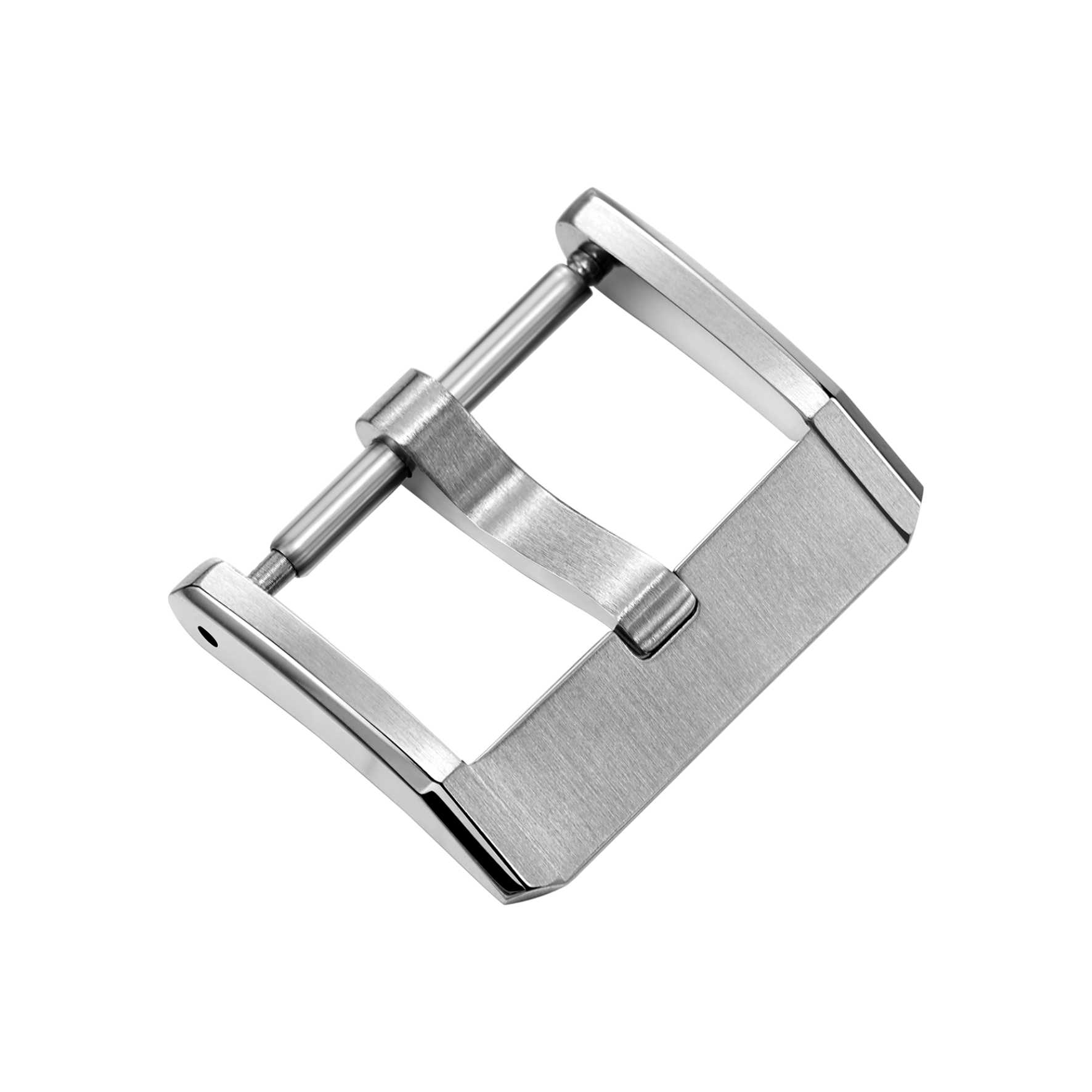
Second, integrated exterior component manufacturing: the ideal partner covers case, dial, bracelet, buckle, and strap production within a unified quality management environment, eliminating the tolerance mismatches that fragmented sourcing introduces.
Third, in-house DFM engineering team: a factory should function as a technical consultant, not merely a production executor. When a brand submits a complex structural concept or an ambitious water-resistance specification, experienced in-house engineers must translate those creative vectors into optimized production files. This capability separates factories that accelerate development from those that mirror back design problems.
Fourth, standardized quality control systems with verifiable infrastructure: water resistance test benches calibrated to ISO 22810, documented material traceability from raw stock to finished component, and multi-stage visual inspection protocols under standardized lighting conditions are the minimum credible quality infrastructure.
A structured collaboration with a qualified watch manufacturer follows a documented process that protects both parties and compresses development risk. The process begins with a technical brief submission that includes case dimensional targets, material specifications, finishing designations, movement compatibility requirements, and any regulatory compliance targets (water resistance, shock resistance).
A capable factory with in-house DFM engineering will return a production feasibility assessment within days — identifying structural risks, proposing geometry optimizations, and confirming material sourcing availability. The prototype phase follows with iterative sampling, typically two to three rounds, during which dimensional tolerances, surface finishing quality, fit between case and dial, and gasket compression are validated against specification.
At this stage, the factory's DFM team identifies any stack-up risks between components before tooling is finalized. Production qualification comes after prototype sign-off and involves first-article inspection (FAI) documentation, material certification review, and a production sample run of 10 to 20 units for final quality validation. Mass production then proceeds under the agreed quality control protocol, with documented inspection checkpoints at incoming materials (IQC), in-process (IPQC), and outgoing goods (OQC).
Conclusion
Finding a reliable watch manufacturer is not a procurement exercise — it is a technical partnership evaluation. The selection criteria that matter in 2026 are DFM engineering depth, integrated exterior manufacturing capability, standardized quality infrastructure, and a collaboration process that front-loads design risk identification before tooling investment.
Independent watch brands that treat factory selection with the same rigor as product design consistently outperform those that prioritize cost minimization in sourcing.
Q: How do I verify that a watch manufacturer is an actual factory and not a trading company?
A: Request a factory audit invitation and visit the production floor. Verify multi-axis CNC equipment, in-house engineering team presence, and material testing laboratory infrastructure. Trading companies cannot provide these — they source from third-party facilities and lack direct engineering accountability.
Q: What documents should a credible watch manufacturer provide at the quality control stage?
A: Material certificates from certified suppliers, water resistance test records calibrated to ISO 22810, dimensional inspection reports (CMM or manual gauge records), and IQC-to-OQC traceability documentation for each production batch.
Q: How many prototype rounds should I budget for when working with a new watch manufacturer?
A: With a qualified factory offering in-house DFM engineering, two to three prototype rounds is the standard range for a complex case design. Without DFM support, four to six rounds is common — with each additional round representing both direct prototype cost and opportunity cost from launch delays.

Baoruihua (Dongguan) Precision Technology Co., Ltd. is a precision watch manufacturer specializing in OEM and ODM watch components, including cases, dials, bracelets, and buckles. We provide stable production, strict quality control, and reliable supply for global watch brands. Contact us to discuss your project.
Building5, No.459 Xiecao Road, Xiegang town, Dongguan, Guangdong
Copyright © 2025 by Baoruihua (Dongguan) Precision Technology Co., Ltd. Privacy Policy
 EN
EN
 Hot News