
 EN
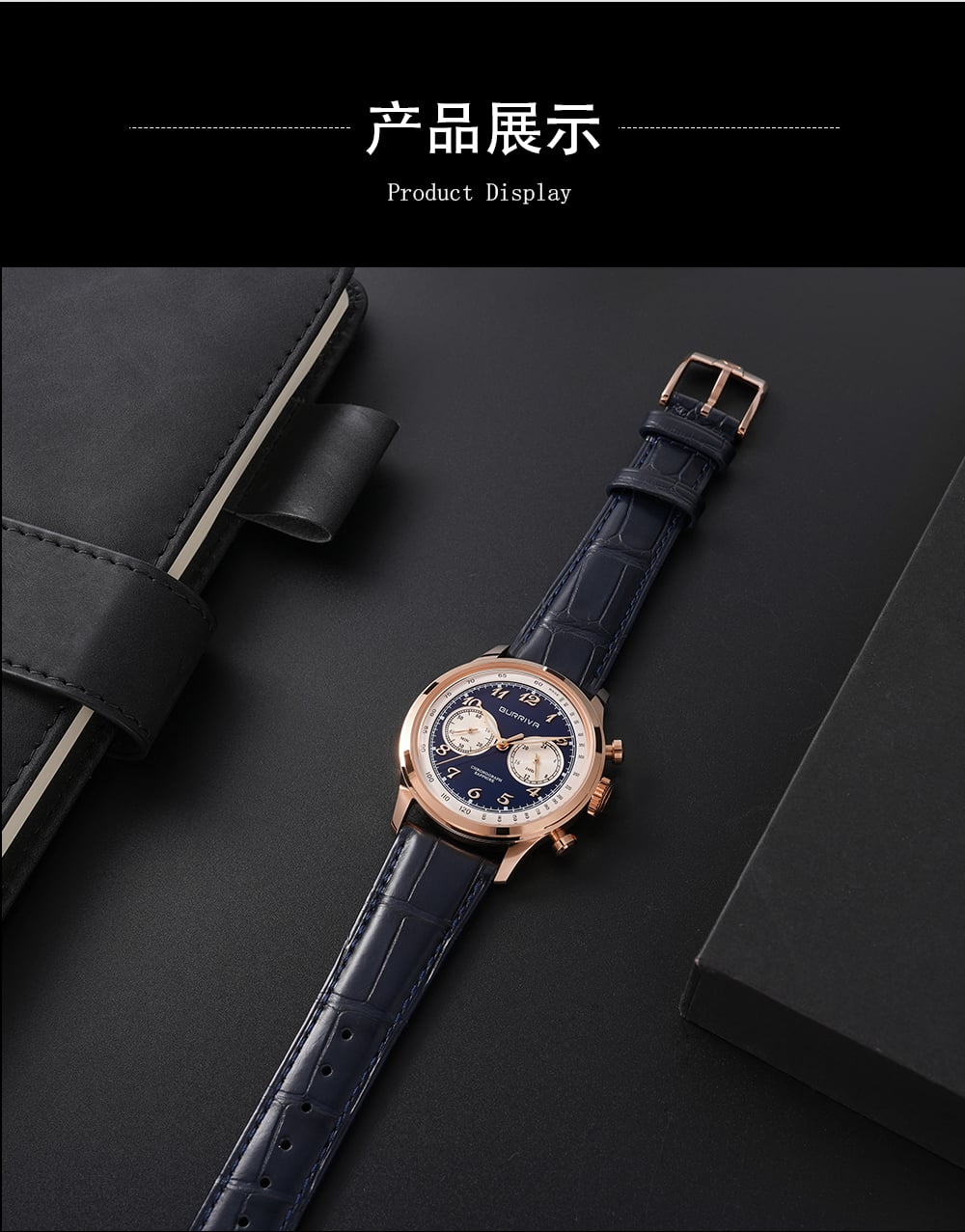
A bracelet sits on the wrist all day, and every arm movement carries that weight. Stainless steel bracelets are common because the material is predictable and takes finish well. Titanium changes the equation by lowering density considerably while keeping structural strength high. Grade 5 titanium, or Ti-6Al-4V, is the common choice for bracelet work because it holds up well under load and resists deformation.
Lower density translates to less weight on the wrist. That difference is most noticeable over long wear, whether at a desk or during activity. Less inertial force with each movement means less fatigue over the course of a day. Titanium also warms to skin temperature faster than steel, which reduces the cold sensation on first wear.
The trade-off is machining difficulty. Titanium is harder to cut than stainless steel because its low thermal conductivity wears tools faster, and heat management during machining is more demanding. CNC parameters need careful control, and cycle times are often longer.
What ASTM F136 Means for Bracelet Material
Titanium bracelets often use material certified to ASTM F136, which covers wrought Ti-6Al-4V ELI alloy. That specification was originally developed for surgical implants, and it defines minimum yield strength and microstructure requirements. For bracelet work, the value of that certification is consistency. It tells the brand that the material has been verified, not just labeled.
Titanium's oxide layer and lower elastic modulus allow some elastic recovery under load. A link that flexes slightly returns to shape rather than bending permanently. That property matters in high-contact areas like clasp engagement points and pin joints. Over many open and close cycles, the material holds its geometry better than softer alternatives.
That advantage is not unlimited. Titanium bracelets can still deform under extreme load, and the material is not immune to wear. The realistic benefit is slower degradation under normal daily use.
Skin Compatibility and Why It Matters for Daily Wear
Nickel is a common cause of contact dermatitis, and it shows up in many metal alloys. Titanium is inherently nickel-free, which makes it a practical choice for wearers with sensitive skin.
The material's compatibility comes from a stable titanium dioxide surface layer that resists corrosion and limits ion release. That layer forms naturally on exposure to air and regenerates when the surface is scratched. For a bracelet in constant contact with skin, this reduces the risk of redness, itching, or irritation compared to alloys that rely on surface coatings for protection.
Titanium also conducts heat differently from steel, which changes how the bracelet feels on first contact. The material warms quickly and does not hold a cold sensation the way some metals do. That difference is small but noticeable in daily wear.
Corrosion and Scratch Behavior in Real Conditions
Titanium defends itself through its oxide layer. When the surface is scratched, freshly exposed metal reacts with oxygen and reforms the protective film. That self-healing behavior is what makes titanium resistant to sweat, saltwater, and humid climates.
Stainless steel relies on a chromium oxide layer for corrosion resistance. That layer performs well in most conditions, but it can be breached under certain exposure patterns. Titanium's defense is more autonomic, which matters in coastal environments or for wearers who sweat heavily.
Scratch behavior is a different story. Bare titanium does mark, and it develops a patina over time. The marks tend to be lower contrast than scratches on polished steel, because the oxide layer keeps them from turning into deep, dark gouges. Coated steels can resist scratching while the coating remains intact, but once the coating is breached, the exposed substrate is softer and more vulnerable.
| Material or finish | Weight | Corrosion behavior | Scratch behavior |
|---|---|---|---|
| 316L stainless steel | Heavier | Chromium oxide layer, good in most conditions | Visible scratches on polished surfaces |
| Grade 5 titanium | Lighter | Self-healing oxide layer, strong in salt and sweat | Lower-contrast marks, patina over time |
| PVD-coated steel | Heavier | Depends on coating integrity | Resists scratching until coating is breached |
| Ceramic | Varies | Corrosion resistant | Very hard, but brittle under impact |
Each option trades something. Titanium trades some scratch resistance for weight, corrosion resistance, and skin compatibility.
Cost, Service Life, and What Buyers Actually Get
Titanium bracelets cost more upfront than stainless steel. Raw material is more expensive, and machining takes longer. That higher entry cost is real.
The value question depends on how the bracelet is used. Titanium resists corrosion well and holds its geometry under cyclic loading, which can reduce the frequency of refinishing or replacement. Fewer appearance issues over time can offset part of the upfront premium. That advantage is not automatic. It depends on how well the bracelet is designed and manufactured. A titanium bracelet with loose link tolerances will still develop rattle and uneven wear.
The resale angle matters for some buyers and not others. Titanium models do tend to hold value in certain segments, but that is a market outcome, not a guarantee. The more practical benefit is daily comfort and long-term appearance stability.
What to Specify When Choosing a Titanium Bracelet
A few items belong in the bracelet specification before tooling.
Titanium grade and certification, with material documentation.
Link geometry and tolerance windows for pin and hole fit.
Surface finish by area, including high-contact zones.
Functional requirements for clasp engagement and articulation.
Inspection criteria and AQL level.
Tooling and machining parameters suited to titanium.
Machining titanium is not the same as machining steel. A supplier without titanium experience may produce parts that pass dimensional checks but fail in use because of tool wear or heat effects. Verifying that experience before tooling is cheaper than correcting it after.
Titanium bracelet outcomes depend on how well material grade, machining parameters, tolerance windows, and inspection criteria are matched from the first drawing. Burriva, short for Baoruihua (Dongguan) Precision Technology Co., Ltd., focuses on OEM watch components from its Dongguan production base, with in-house capabilities across dials, cases, bracelets, and buckles. Bracelet production combines CNC milling, stamping, automated polishing, and dimensional inspection, with functional checks on assembled bracelets. To discuss titanium bracelet specifications, tolerance requirements, and approval criteria, get in touch with Burriva.