
 EN
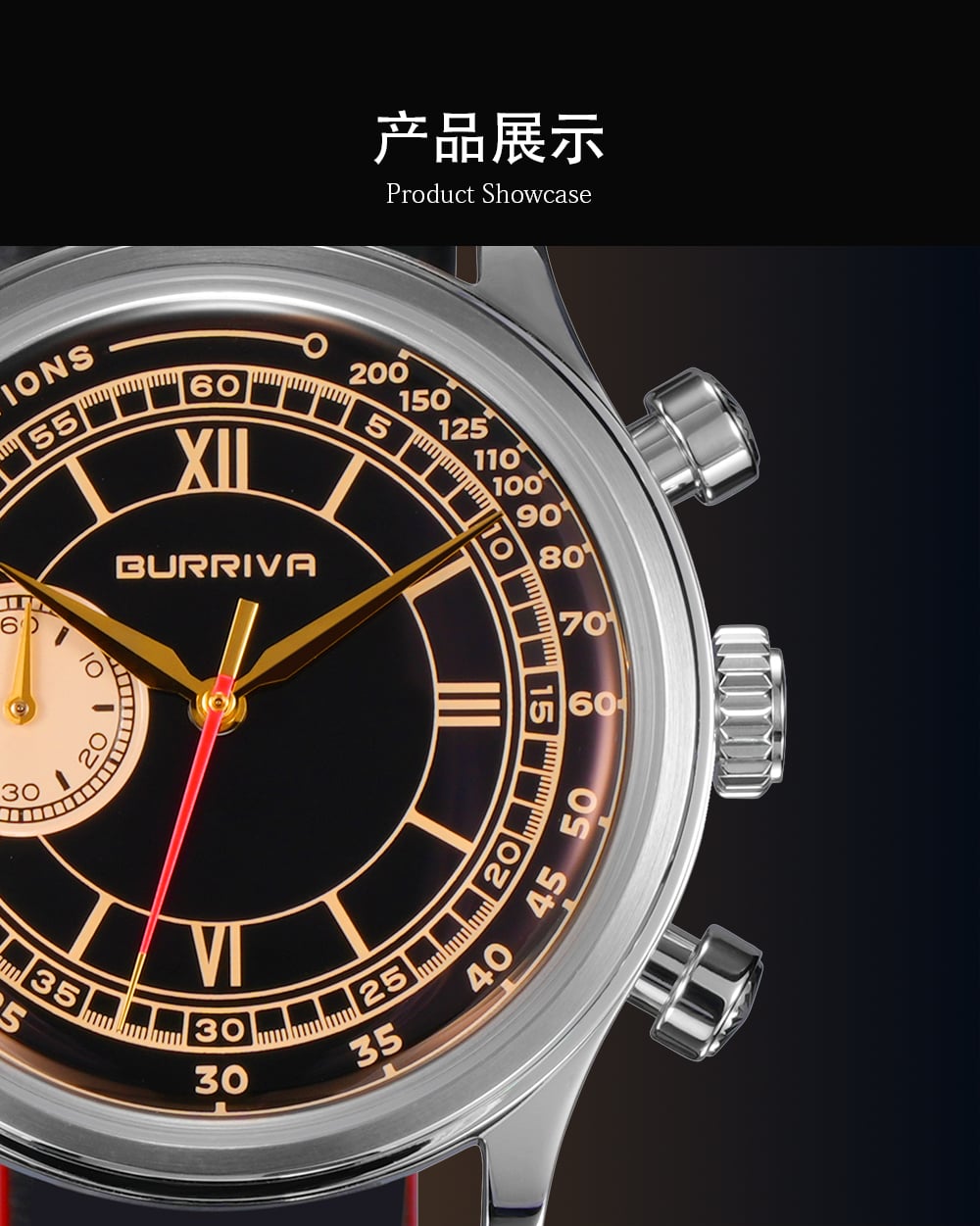
A parametric model is not just a 3D drawing. It is a linked system where features like lug width, mid-case diameter, and bezel profile are tied to global variables. Change one parameter, and dependent geometry updates automatically. That behavior matters because case design is a web of relationships. A small change in lug width affects bracelet end-link fit. A change in bezel profile affects how the crystal seat sits.
For watch case work, this approach keeps design intent intact through revision cycles. It also reduces the risk of manual editing errors, which is where tolerance conflicts usually start.
Master Modeling and Class A Surfaces
A single top-level part file can define critical interface surfaces for the case, caseback, bezel, and crystal seat. That structure keeps fit relationships consistent by design rather than by manual alignment.
Complex features like crown guards or integrated lugs are best developed with curve-driven patterns and multi-section solids that maintain Class A curvature continuity. G2 or better continuity is what makes a case look right under raking light, where small surface breaks become visible.
Manufacturability has to be built in from the start. Design for manufacturability means avoiding undercuts that require extra setups, and specifying consistent internal corner radii to reduce tool chatter and improve surface finish. A model that ignores those constraints creates problems at the first cut.
Tolerance Stack-Up and Material-Aware Dimensioning
Fit across case, crystal, bezel, and caseback depends on tolerance stack-up analysis, not just nominal alignment. Worst-case analysis guarantees no interference, but it often pushes tolerances tighter than necessary and raises cost. Root sum square analysis offers a more realistic statistical prediction when parts cluster near nominal values.
Material-aware dimensioning matters just as much. A dimension that works in stainless steel may behave differently in titanium. Grade 5 titanium has lower thermal conductivity and higher spring-back than 316L, so internal pockets and thread forms need different nominal allowances. Sharp internal corners that are acceptable in steel can cause rapid tool wear and dimensional drift in titanium.
Ceramic components need shrinkage compensation built into the model. True manufacturability appears only when dimensioning reflects geometry, material response, and machine capability together.
Choosing the Right CAD Format for Handoff
Data handoff depends on format fidelity, and different formats serve different stages.
STEP files preserve complex surfaces and topology across platforms, which makes them the common standard for CNC programming and supplier collaboration. Parasolid offers kernel-native accuracy, which is useful for multi-axis toolpath generation because it reduces import errors that can distort sealing surfaces or thread profiles.
STL is suitable for early-stage polymer prototyping, where visual and ergonomic validation matters more than metrology-grade accuracy. Its faceted approximation cannot represent the fine tolerances needed for gasket grooves, caseback threads, or crystal seats.
| Format | Best Use | Main Limitation |
|---|---|---|
| STEP | CNC programming, supplier handoff | Requires clean topology |
| Parasolid | Multi-axis toolpaths, kernel accuracy | Software compatibility varies |
| STL | Early polymer prototypes | Faceted, not metrology-grade |
| Native CAD | Internal design work | Not portable across platforms |
Format mismatches introduce micro-deviations that affect fit, finish, and sealing. Matching the format to the manufacturer's CAM environment prevents rework that starts at the data stage.
From CAD to Toolpath: The CNC Handoff
The transition from model to machined case depends on a disciplined programming handoff. CAM software imports the neutral or native format and applies a structured sequence: roughing with large-diameter tools, semi-finishing to near-net shape, then finishing passes with ball-nose or tapered end mills to replicate contoured lugs, bezel chamfers, and crown guard profiles.
Three factors govern toolpath reliability.
Post-processor alignment. G-code output must match the target machine's controller so axis interpretation stays correct.
Collision simulation. Full multi-axis motion paths need verification to clear deep caseback recesses and delicate crown openings.
Tolerance-driven feeds and speeds. Parameters should be tuned so critical sealing surfaces achieve the required surface roughness.
A validated simulation confirms tool deflection stays within the intended range. Without that step, even a well-modeled case can fail at the first cut.
Additive Manufacturing as a Bridge, Not an Endpoint
Additive manufacturing speeds up early validation. SLA and SLS produce full-size polymer prototypes in hours, which enables ergonomic assessment, crown clearance checks, and tactile feedback that a screen cannot provide. These models help identify interferences, such as crystal dome height against bezel thickness, before metal is cut.
Additive has clear limits in production. Direct metal laser sintering can produce near-net-shape parts, but as-built surfaces typically need extensive polishing or finishing to meet appearance standards. Residual stress and micro-porosity affect structural consistency, and layer-wise deposition introduces anisotropic properties that complicate repeatability.
The practical approach is to use additive for fast, low-cost iteration and fit validation, then rely on CNC machining for production, where surface finish, dimensional stability, and isotropic strength matter.
FAQ
What is parametric modeling, and why does it matter for watch cases?
Parametric modeling links geometry to variables, so a change in one feature updates dependent geometry automatically. It keeps design intent consistent through revisions.
How does tolerance stack-up analysis improve case development?
It predicts how dimensional variations across parts accumulate, which helps avoid fit problems without over-tightening tolerances.
What is the difference between STEP and Parasolid?
STEP is a neutral format for cross-platform handoff. Parasolid is kernel-native and offers higher accuracy for complex machining.
How is additive manufacturing used in case development?
It is used for rapid prototypes and fit validation. It is less suited to production because of surface finish and structural consistency limits.
Why is CNC machining preferred for final case production?
CNC delivers consistent surface finish, dimensional accuracy, and material strength, which are needed for case components that must fit and seal correctly.
Watch case design outcomes depend on how well parametric structure, tolerance analysis, material behavior, and data handoff are controlled from the first model to the final part. Burriva, short for Baoruihua (Dongguan) Precision Technology Co., Ltd., focuses on OEM watch components from its Dongguan production base, with in-house capabilities across dials, cases, bracelets, and buckles. Case production combines multi-axis machining, CNC milling, dimensional inspection, and multiple rounds of incoming, in-process, and outgoing checks. To discuss case design requirements, tolerance specifications, and approval criteria, get in touch with Burriva.