
 EN
Translating Aesthetic Concepts into Manufacturable Specifications
The journey from a brand’s creative vision to a production-ready OEM watch component begins with a comprehensive design brief. Aesthetics, materials, dimensions, and functional intent all need to be spelled out. The manufacturer’s engineering team then translates this into a technical blueprint using CAD modeling, mapping surface curvatures, textures, and finishes for manufacturability.
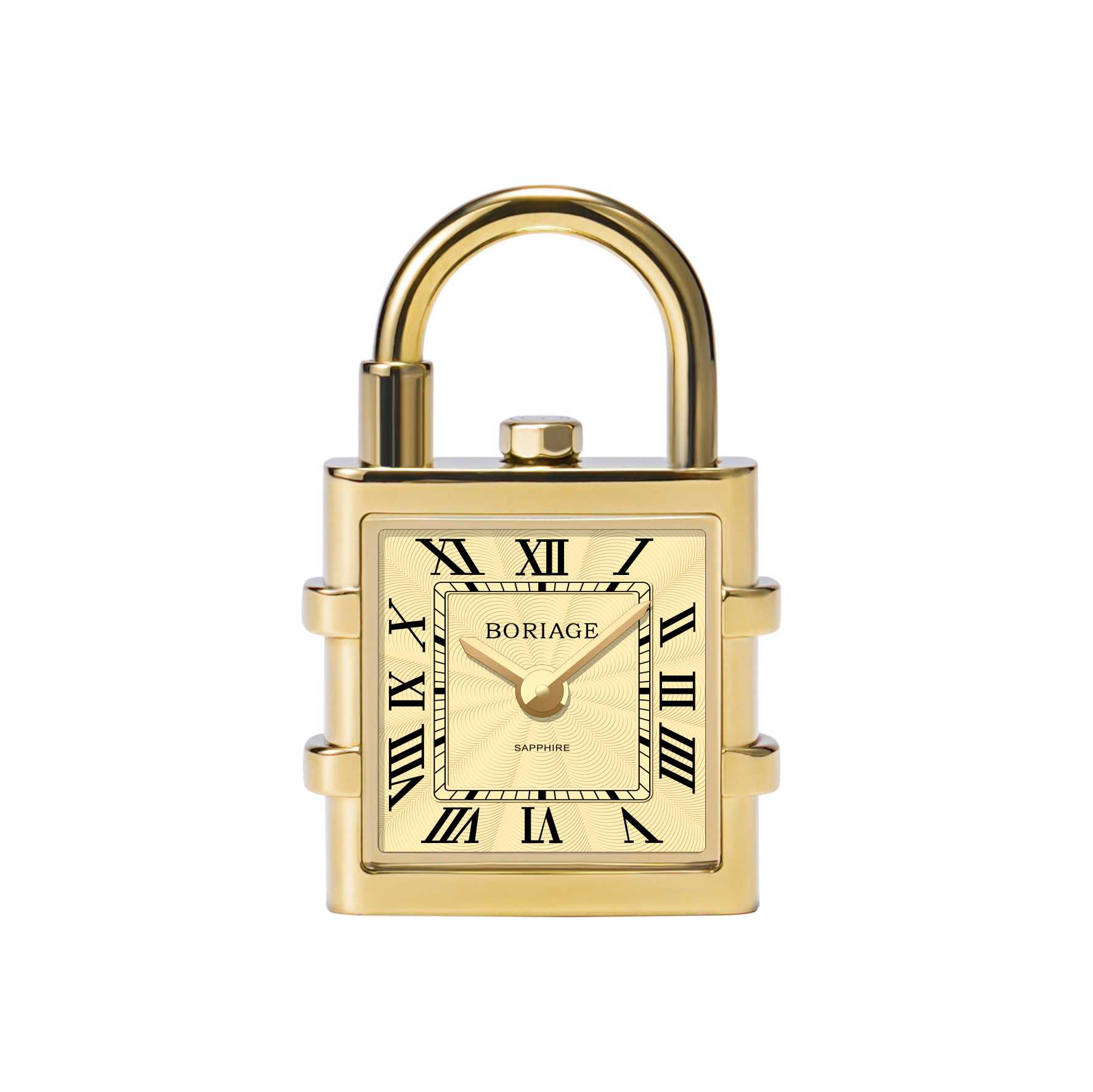
Physical prototypes, produced via 3D printing or CNC machining, are reviewed iteratively by the brand to assess ergonomics, light interaction on dials, and integration of branding elements like logos or custom case backs. This phase often reveals opportunities to adapt decorative techniques, such as sunburst brushing or guilloché, for consistent, scalable reproduction. The OEM partner may recommend material substitutions, like upgrading from mineral glass to sapphire crystal, to enhance durability without compromising design language.
Multiple feedback loops refine the prototype until aesthetic and functional alignment is achieved. The process typically spans several weeks and concludes with approved 2D drawings and 3D STEP files, the master data for molds, fixtures, and production tooling. Once frozen, this design becomes the definitive reference guiding all subsequent manufacturing, preserving the brand’s identity at scale.
Engineering Alignment: Tolerances, Materials, and Fit Constraints
With the aesthetic blueprint finalized, engineering alignment focuses on precision tolerances, material behavior, and real-world fit constraints. These are essential to durability, performance, and user experience.
Material selection extends beyond appearance. 316L stainless steel delivers corrosion resistance for cases and bracelets, while titanium alloys reduce weight for active wear. Thermal expansion coefficients are matched across interfaces to prevent binding or seal failure under temperature fluctuations.
Assembly fit is equally deliberate. Even a 0.1 mm deviation in dial foot positioning can cause visible index misalignment, so jigs and fixtures are machined to tight precision. Batch-to-batch dimensional consistency is verified using coordinate measuring machines (CMM), ensuring full component interchangeability. Every critical dimension is checked against the approved drawing before a lot moves forward.
Balancing Innovation and Scalability in OEM Component Customization
A successful OEM watch component project hinges on balancing distinctive design with industrial feasibility, ensuring innovation does not erode cost control, yield, or timeline certainty.
Modular Platform Adaptation vs. Full Ground-Up Design
Brands choosing between modular adaptation and ground-up design face a strategic trade-off. Modular platforms leverage pre-validated case shapes and dial architectures, customized through bezel profiles, dial printing, or bracelet configurations. This approach reduces development cycles and keeps minimum order quantities accessible, making it ideal for emerging brands validating niche demand.
In contrast, full ground-up design offers total aesthetic and architectural freedom, but requires new mold tooling, tighter tolerance validation, and structural verification, often extending lead times and demanding higher upfront investment. For most growing labels, modular systems serve as a scalable entry point, enabling gradual introduction of bespoke elements like proprietary lugs or engraved case backs while retaining the cost, quality, and scheduling advantages of proven frameworks.
Resolving the Aesthetics-vs-Production Paradox in Custom Geometry
Striking silhouettes, ultra-thin profiles, and complex lug geometries deliver instant visual distinction, but often challenge machining fidelity and assembly repeatability. Experienced component partners resolve this paradox through integrated simulation and precision manufacturing.
Multi-axis CNC milling enables accurate contouring from solid billets, while material choice further mediates the tension. Titanium alloys, for instance, offer strength-to-weight ratios that support slim profiles without sacrificing rigidity. Throughout development, iterative prototyping and tolerance-stack analysis ensure geometric ambition aligns with production yield, not just theoretical feasibility. By embedding these methods, OEM partners transform expressive design intent into serialized components that retain fidelity across thousands of units.
Ensuring Consistency Across Component Projects
Consistency in OEM watch component production is anchored in documented quality frameworks rather than ad hoc inspection.
| Area | Common Approach | Why It Matters |
|---|---|---|
| Dimensional control | CMM checks against approved drawings | Prevents fit issues across batches |
| Cosmetic criteria | Written limits with photo references | Reduces subjective disputes |
| Surface finish | Documented process windows | Keeps color and sheen stable |
| Sampling | ISO 2859-1 based inspection | Provides a shared acceptance baseline |
| Approval records | Signed sample and specification | Avoids ambiguity at mass production |
ISO 9001:2015 clause 8.5.1 provides a framework for controlled production conditions, which in component work means documented process parameters and inspection criteria. For dial color, surface finish, and dimensional consistency, physical reference samples and written cosmetic limits keep batches aligned. A component that passes visual review may still fail adhesion, color, or dimensional checks, so inspection criteria need to cover both appearance and measurable properties.
FAQ
What is the role of CAD modeling in OEM watch component design?
CAD modeling helps translate a brand’s aesthetic concepts into precise technical specifications for dials, cases, bracelets, and buckles.
How long does the prototyping phase usually take?
Prototyping timelines vary by component complexity. Simple designs may move in a few weeks, while multi-layer or multi-finish components can take longer.
What are the advantages of modular platform adaptation?
Modular platforms use pre-validated component architectures, reducing development cycles while maintaining accessible minimum order quantities.
How does tolerance stack-up analysis improve component quality?
Tolerance stack-up analysis predicts how individual part variations accumulate, helping avoid fit problems before production begins.
What quality frameworks apply to OEM component projects?
ISO 9001:2015 and ISO 2859-1 are common, along with documented cosmetic criteria and physical reference samples.
Component design outcomes depend on how well drawings, tolerances, material choices, and inspection criteria are controlled from the first file review to the final carton. Burriva, short for Baoruihua (Dongguan) Precision Technology Co., Ltd., focuses on OEM watch components from its Dongguan production base, with in-house capabilities across dials, cases, bracelets, and buckles. The team supports multi-axis machining, CNC milling, stamping, automated polishing, dimensional inspection, and multiple rounds of incoming, in-process, and outgoing checks. Brands planning a custom component program can reach out to discuss specifications, material options, and approval milestones.
Table of Contents
- Translating Aesthetic Concepts into Manufacturable Specifications
- Engineering Alignment: Tolerances, Materials, and Fit Constraints
- Balancing Innovation and Scalability in OEM Component Customization
- Resolving the Aesthetics-vs-Production Paradox in Custom Geometry
- Ensuring Consistency Across Component Projects
- FAQ