
 EN
Why the Supplier Decision Outlasts the Quote
Launching a watch brand looks straightforward from the outside. A logo gets designed, a catalog gets printed, and social media starts buzzing. What nobody sees is the factory floor reality behind that first batch. A brand owner picks a supplier based on a polished website and a low quote, then discovers months later that caseback threads strip, dial lume fades, or crystal seats do not seal.
By then, the parts are on the water and refunds are impossible. The watch OEM sector has expanded steadily in recent years, drawing in capable factories alongside plenty of trading companies that simply repackage catalog parts. For any brand outsourcing production, picking the right partner is one of the most consequential decisions.
Look at What the Factory Actually Makes
Many suppliers call themselves OEM-capable. Fewer can machine a case from solid stainless steel, hold tolerances tight enough for sapphire seating, or control dial finish across batches.
The difference between a real manufacturer and a trading company matters. Ask for the production floor. A factory with in-house CNC machining, stamping, polishing, and inspection operates differently from one that receives finished parts and only handles repackaging. The former controls quality and schedule. The latter adds dependency.
A practical check is a walkthrough of the actual line, on-site or by video. Hesitation about showing the machining area is a red flag. A supplier that displays its CNC bay, polishing area, and inspection station usually has nothing to hide.
| Evaluation Area | Weak Signal | Strong Signal |
|---|---|---|
| On-time delivery | Below 90%, frequent changes | Above 97%, proactive notices |
| Design revision response | Over 24 hours | Under 6 hours in sampling |
| QC stages | Final inspection only | Pre-production, in-process, pre-shipment |
| Material sourcing | Cannot name suppliers | Identifies sources and certificates |
| Customization depth | Logo printing only | Case, dial, and finish changes |
| MOQ flexibility | Rigid high minimums | Low-quantity sampling, scalable MOQs |
These patterns come from supplier performance data and factory audit reports. Factories that communicate well and trace quality tend to deliver more reliably at scale.
Quality Systems That Go Beyond a Certificate on the Wall
ISO 9001 signals a documented quality system. It does not guarantee the system works on every order. What matters is how quality control runs during production.
A solid QC workflow is layered. Pre-production checks confirm steel grade, plating thickness, and component clarity. In-process inspections catch issues while the line is running, ideally around the middle of the batch, when dial alignment, marker placement, and case surface condition can still be corrected. Pre-shipment inspection follows recognized sampling standards such as ISO 2859-1.
One brand learned this during a spring rollout. A dial color was approved by digital mockup, but bulk units arrived with visible shade variation. The cause was inconsistent pigment curing at a subcontractor. A factory with in-house dial finishing would have caught that during in-process checks. A trading intermediary passed the problem along.
Supply Chain Questions That Reveal Real Strength
Material sourcing is where many OEM partnerships quietly fail. Watch cases require specific stainless steel grades, typically 316L for corrosion resistance or 904L for higher-end work. Crystals should be genuine sapphire with anti-reflective coating, not mineral glass with a misleading label. Straps need leather that will not crack after a few months.
Traceability matters as much as grade. A supplier that can name its metal sources, provide mill certificates, and explain how it verifies hardness is more reliable than one that buys on the spot market. The same applies to dial materials, gasket compounds, and plating chemistry.
Payment structure matters too. Milestone terms, such as deposit, sample approval payment, and final settlement before shipment, keep incentives aligned. Full upfront payment removes nearly all buyer leverage.
Communication Habits That Predict Partnership Success
The strongest predictor of a good manufacturing partnership is not price or even quality. It is how the supplier communicates during quiet months, when no order is active and no urgent problem exists.
Factories that send proactive updates on material pricing, lead times, or new finishing options usually flag problems before they become shipment delays. Technical fluency matters as much. When discussing a case design, a capable partner asks about lug width, crown position, crystal thickness, and gasket seating. A weaker one nods along and quotes a price without understanding the engineering constraints. The gap becomes obvious when the first sample arrives and the bezel does not align with the dial markers.
A few communication habits are worth watching during the sampling phase:
Does the supplier raise producibility concerns before tooling?
Are sample deviations documented in writing?
Does the supplier explain delays by cause, not just by excuse?
Is there a named contact who owns the project?
Does the supplier share inspection data, not just pass or fail results?
A Field Case Where Vetting Prevented a Costly Mistake
A brand was preparing a limited bracelet and clasp order. The first supplier quoted low and showed an impressive catalog. During the first video walkthrough, the supplier could not show its own machining area, and the polishing section turned out to be a separate subcontractor with no documented process control.
The brand moved to a second supplier with in-house CNC and polishing. The quote was higher. During sampling, the second supplier flagged a tolerance conflict between the bracelet end-link and the clasp interface that would have caused fit problems in production. The first supplier had missed it entirely.
The order shipped on schedule with consistent fit. The higher quote turned out to be the lower total cost once rework and delay were factored in.
That pattern repeats often. The cheapest quote is rarely the cheapest outcome once sampling, rework, and field returns are included.
What This Means for Component Sourcing
Choosing a components partner is not just about price. It is about verifying what the factory actually makes, how its quality system runs, where its materials come from, and how it communicates when nothing urgent is happening. Brands that vet those four areas before committing tend to see fewer surprises after the order is placed.
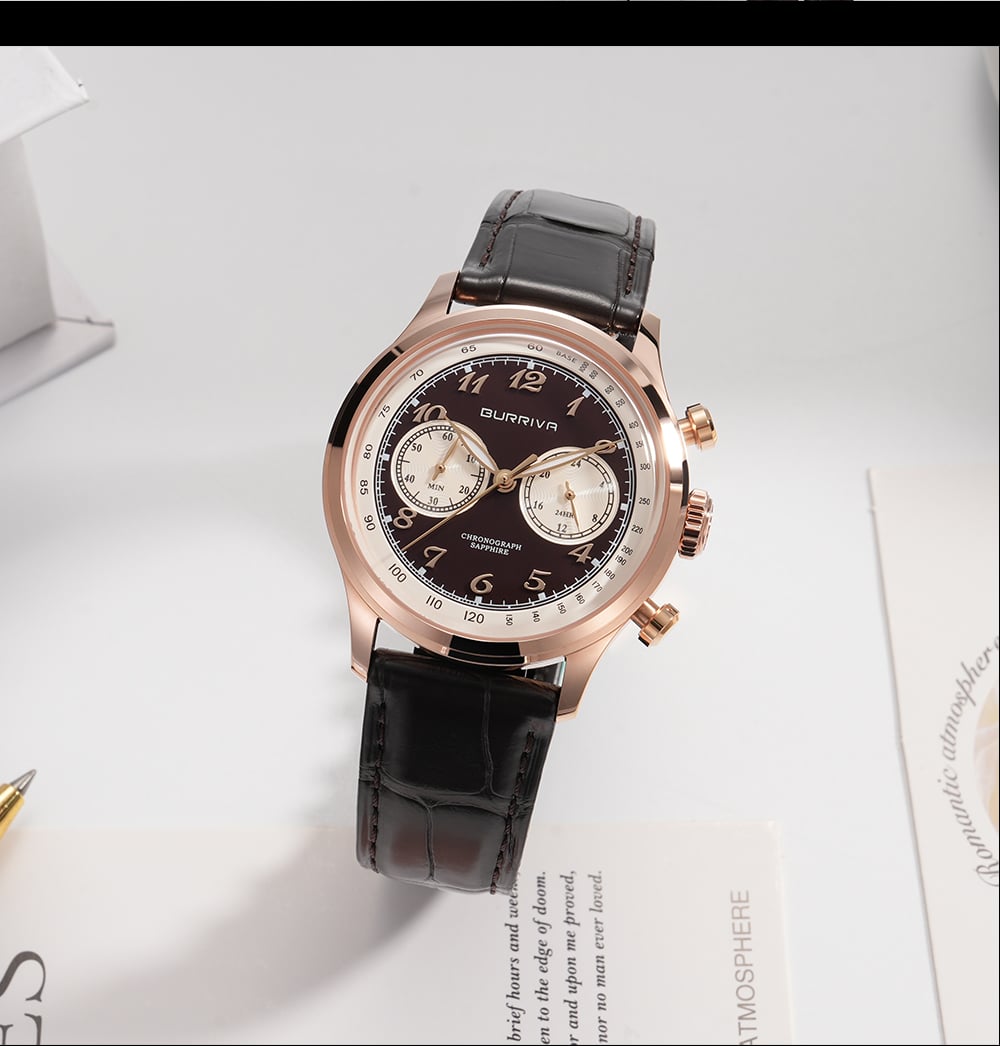
Burriva, short for Baoruihua (Dongguan) Precision Technology Co., Ltd., focuses on OEM watch components from its Dongguan production base, with in-house capabilities across dials, cases, bracelets, and buckles. The team works from documented drawings and written approval criteria, with dimensional inspection and multiple rounds of incoming, in-process, and outgoing checks. To discuss component requirements, sampling plans, or qualification criteria, get in touch with Burriva.
Table of Contents
- Why the Supplier Decision Outlasts the Quote
- Look at What the Factory Actually Makes
- Quality Systems That Go Beyond a Certificate on the Wall
- Supply Chain Questions That Reveal Real Strength
- Communication Habits That Predict Partnership Success
- A Field Case Where Vetting Prevented a Costly Mistake
- What This Means for Component Sourcing