
 EN
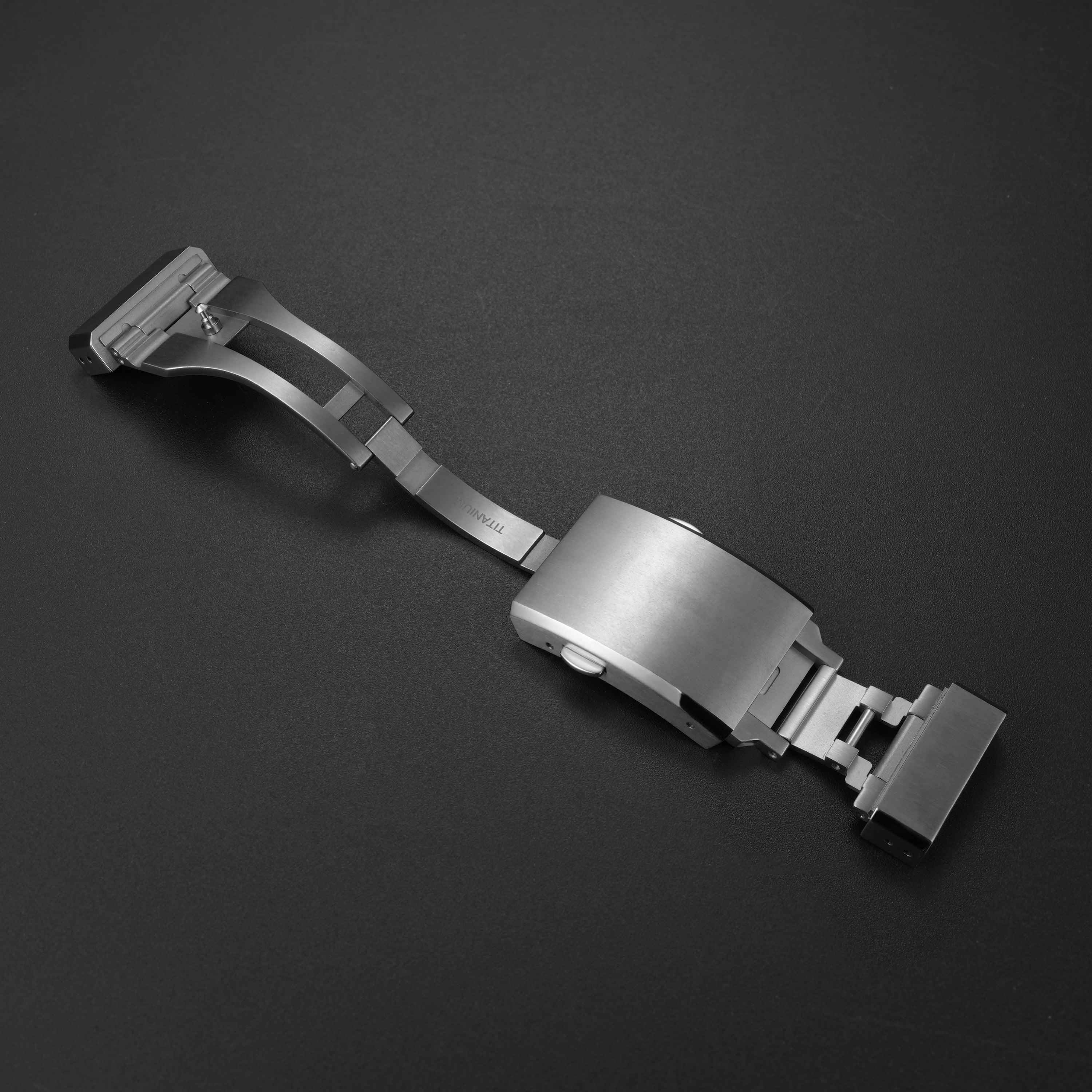
The Overlooked Component That Speaks Loudest
Watch brands often focus on dials and cases, while buckles get whatever comes standard. That is a missed opportunity. A custom buckle is one of the few parts a wearer touches daily. It sits against the wrist, gets opened and closed constantly, and shows up in every unboxing video. When that part carries a generic shape and no brand mark, the product feels less intentional. Generic buckles signal that details did not matter. The buckle is small, but its role in brand identity is larger than its size suggests. A buckle is not a place to cut corners.
How Custom Buckles Carry Brand Marks and Design Language
A custom buckle does more than hold a strap closed. It becomes a signature element. A distinctive release button shape, a specific engraving depth, or a unique profile on the folding arms can communicate brand identity. Luxury car brands treat door handles and stitching the same way. Those details are not necessary for function, but they reinforce the brand every time someone interacts with the product. A logo stamped on a clasp is seen more often than a logo on a crown. That exposure builds recognition without ad spend. The tactile feel of a well-made custom buckle also signals quality. Sharp edges, uneven spring tension, or a wobbly button undermine the brand message quickly.
Matching Buckle Design to Bracelet and Case Aesthetics
A custom buckle has to fit the overall design. A bulky industrial buckle on a slim dress watch looks wrong. A delicate polished buckle on a rugged dive watch creates a mismatch. Designers need to consider proportion, finish, and material. If the case is brushed with polished bevels, the buckle should echo that contrast. If the bracelet uses a specific link shape, the buckle should feel like a natural extension. Harmony separates coherent design from assembled parts. Visual harmony does not happen by accident. It requires coordination between the buckle manufacturer and the team handling the case and bracelet. When those parts come from different suppliers, the risk of mismatch grows.
| Feature | Standard Buckle | Custom Buckle |
|---|---|---|
| Brand recognition | Low, generic | High, distinctive |
| Design consistency | Limited | Full control |
| Tooling investment | None | Moderate upfront |
| Minimum order quantity | Low | Usually higher |
| Lead time | Short | Longer due to tooling |
| Wearer perception | Functional | Premium, intentional |
The Practical Side: Cost, Tooling, and Lead Times
Custom buckles require investment. A new stamping die or machining program costs money and time. Minimum order quantities are often higher because tooling must be amortized. Lead times stretch because samples need to be made, tested, and approved before mass production. These factors can be a barrier for small brands or first collections. However, the cost per unit drops as volume increases. For brands planning multiple collections on the same buckle platform, the investment makes more sense. The key is designing a buckle that accepts different finishes or logo variations without a completely new tool. Getting that balance right takes experience and clear communication.
Avoiding Common Mistakes in Custom Buckle Projects
Several mistakes show up repeatedly. First, designing a buckle without considering assembly. A beautiful 3D render can hide problems like spring access or pin insertion. Second, ignoring the finishing process. A complex shape with deep recesses may be difficult to polish uniformly. Third, underestimating spring selection. A custom buckle with a weak spring feels cheap no matter how good the outside looks. Fourth, failing to test the buckle with the actual strap or bracelet. A buckle that works on a sample strap may bind with a thicker leather band. Early prototyping with production-intent materials catches these issues before tooling is cut.
Why Consistency Across Every Batch Matters
Brand identity depends on consistency. A customer who buys two watches from the same brand expects the buckles to feel the same. If one batch has slightly different spring tension or a logo that is shallower than the previous run, the brand appears inconsistent. Inconsistent details erode buyer trust quickly. Maintaining that consistency requires documented standards, approved samples, and incoming inspection of critical components like springs and pins. A case from a buckle production run in southern China illustrates the point. A brand approved a custom buckle with a specific brushed finish. The first batch matched the sample. The second batch, produced months later, arrived with a slightly different grain direction. The cause was a change in the brushing wheel supplier, and the factory had not updated its process sheet. The brand rejected the batch. The fix was simple once identified, but the disruption cost time and trust.
For brands that treat buckles as part of their identity, BURRIVA has built its manufacturing around custom external components. With in-house machining, stamping, finishing, and inspection capabilities, the company supports OEM projects that need consistent quality across production runs. That focus on component-level detail helps brand owners turn small parts into strong brand signals.
Table of Contents
- The Overlooked Component That Speaks Loudest
- How Custom Buckles Carry Brand Marks and Design Language
- Matching Buckle Design to Bracelet and Case Aesthetics
- The Practical Side: Cost, Tooling, and Lead Times
- Avoiding Common Mistakes in Custom Buckle Projects
- Why Consistency Across Every Batch Matters