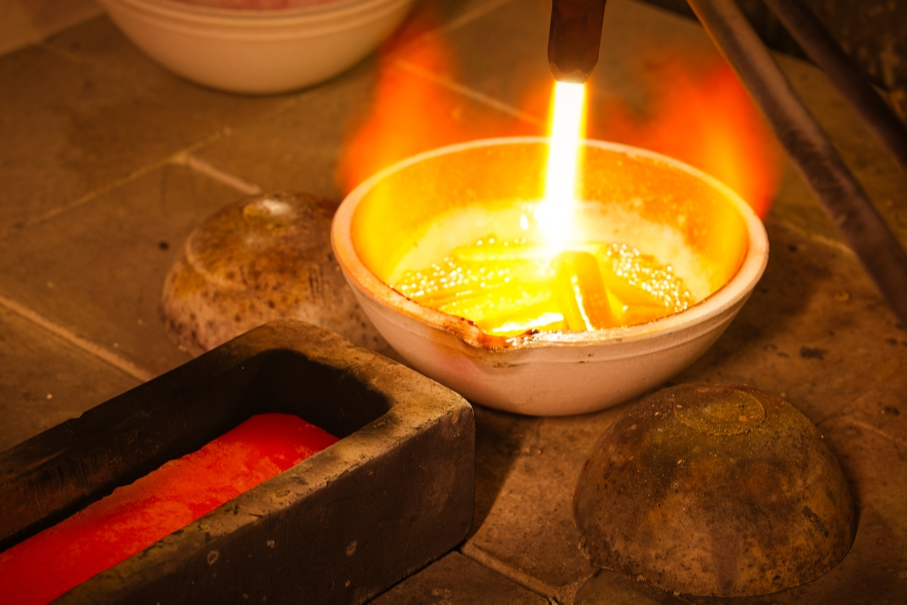
The prevailing misconception about Chinese watch manufacturing — that it occupies the bottom tier of the global horological supply chain — has not reflected operational reality for well over a decade.
The top tier of China's watch exterior manufacturing ecosystem is structurally sophisticated, technically advanced, and in numerous documented cases, the actual production origin of exterior components found in watches marketed by European and North American luxury brands.
This analysis examines the specific supply chain capabilities that distinguish China's elite precision watch manufacturers and explains why global luxury brands increasingly rely on this manufacturing base for exterior components that demand the highest dimensional tolerances and surface finishing standards.
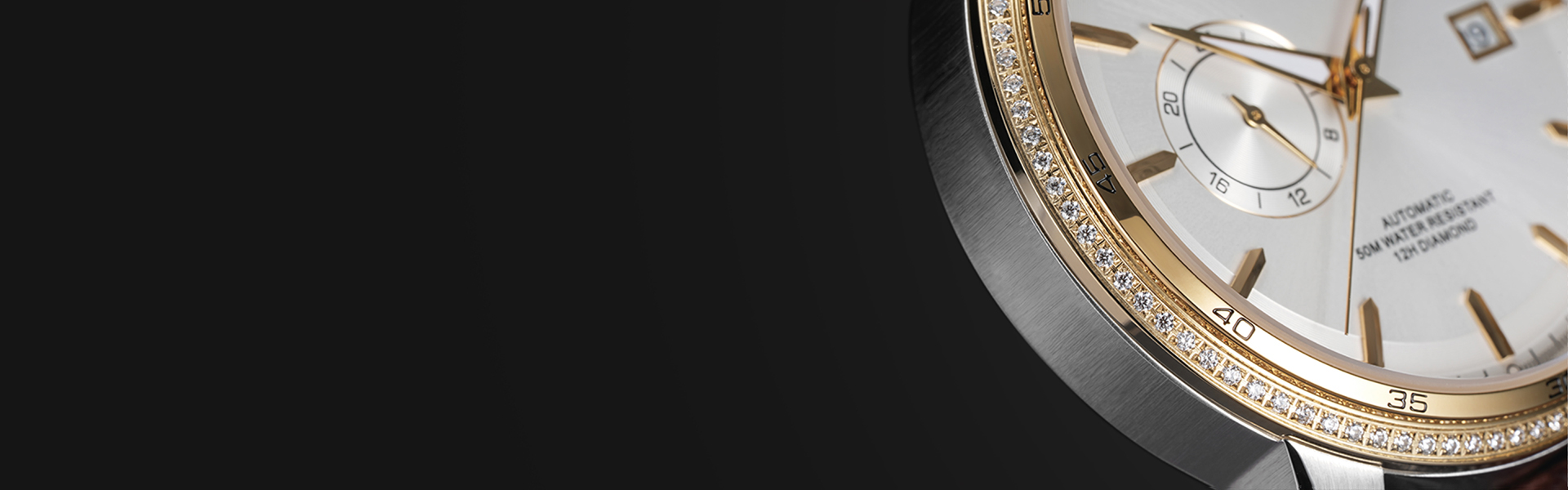
A fundamental truth of the contemporary luxury watch market is that the country of brand origin is not the country of component manufacturing.
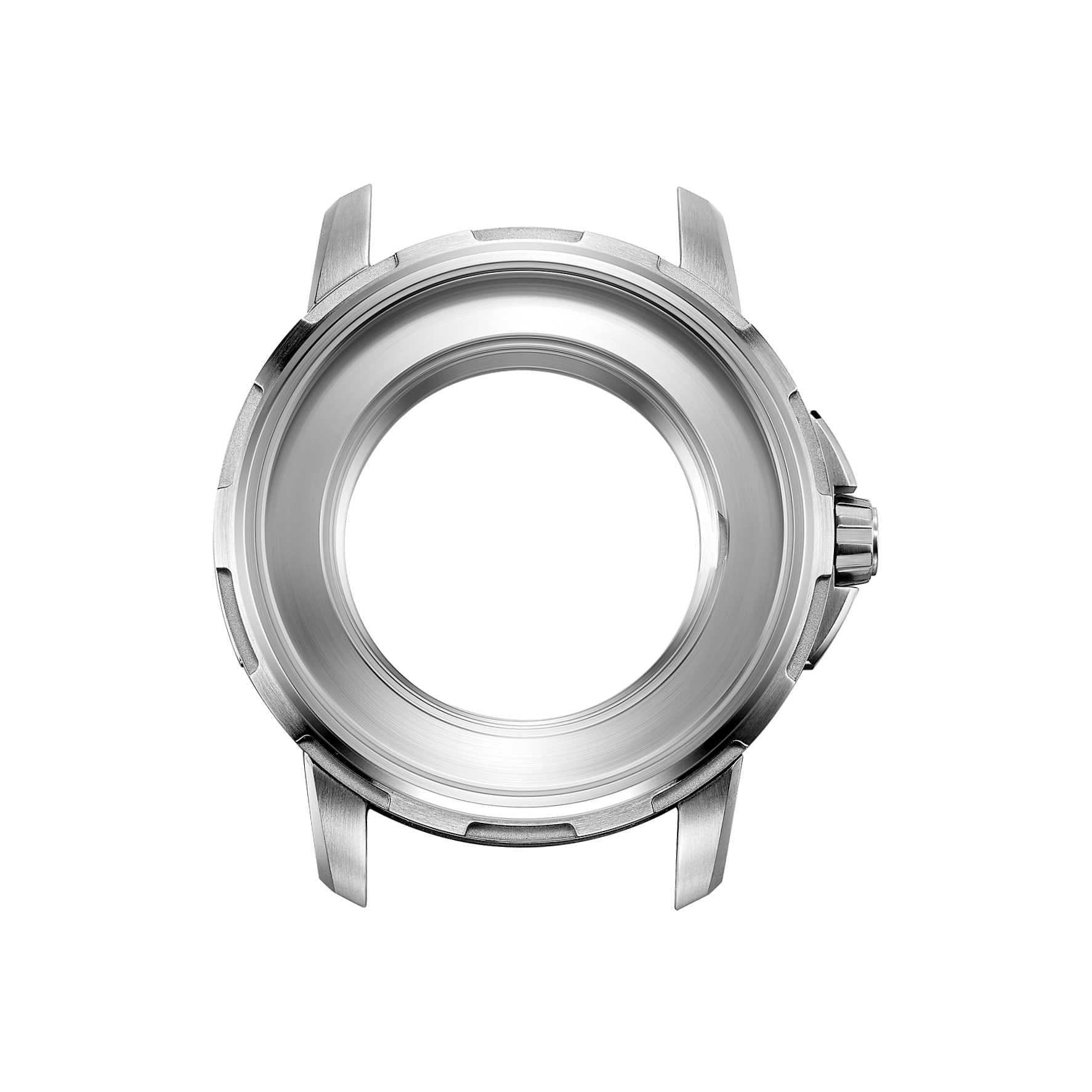
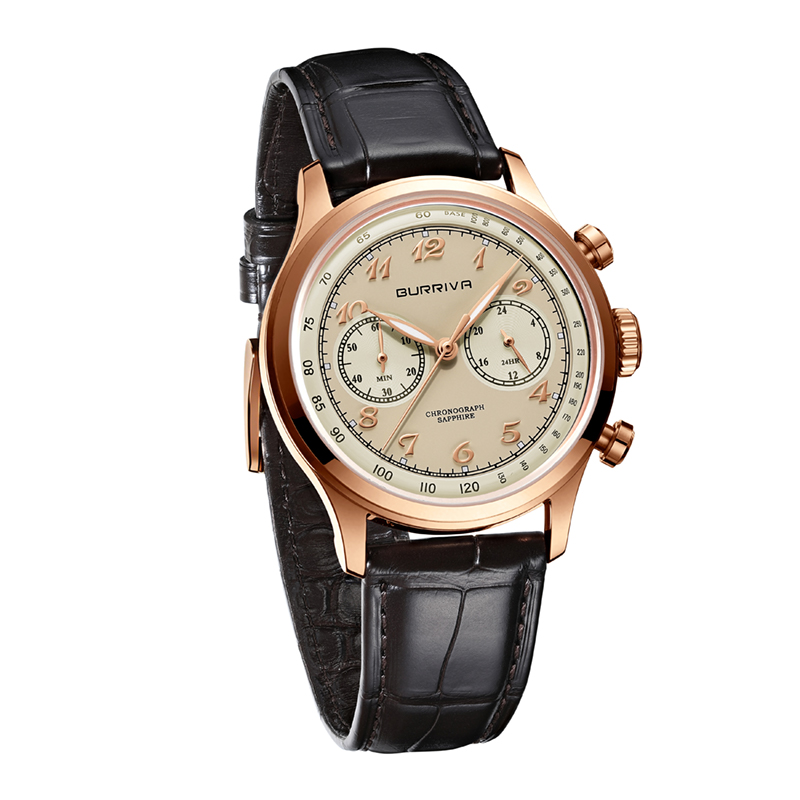
The Habillage — the exterior component assembly comprising the case, dial, bracelet, hands, and clasp — is the primary carrier of a watch's perceived luxury.
For independent luxury brands operating outside Switzerland, and for an increasing segment of Swiss-heritage brands themselves, the procurement of high-precision exterior components from China's top-tier manufacturing cluster represents the only economically viable pathway to achieving Swiss-standard finishing quality at non-Swiss-standard unit economics.
This is not a compromise. It is a supply chain optimization executed by sophisticated operators who have audited global alternatives and selected Chinese manufacturers on technical merit.
The manufacturing capabilities that qualify a Chinese facility as a legitimate luxury watch manufacturer in China are specific, verifiable, and demanding. Multi-material CNC precision machining is the baseline requirement.
Elite facilities operate multi-axis CNC centers with spindle speed and feed rate parameters calibrated specifically for horological alloys — 316L and 904L stainless steel, Grade 5 titanium, bronze, and high-tech ceramics — each of which requires distinct tooling geometry, thermal management protocols, and finishing sequences.
For Grade 5 titanium specifically, the manufacturing challenge is considerable: the alloy's low thermal conductivity combined with high elasticity modulus induces tool deflection during multi-axis routing, rounding facet edges and leaving micro-burrs along case profiles.
Factories operating at the luxury tier have developed customized toolpaths and cryogenic cooling protocols that eliminate these defects and produce titanium cases with razor-sharp mirror bevels and flawlessly uniform satin textures.
Surface hardening technology represents a second tier-defining capability. Premium exterior components intended for luxury positioning require ionic surface hardening treatments that elevate scratch resistance from a baseline of approximately 200 Vickers to above 1200 Vickers without altering the base material's structural properties.
The process sequencing discipline required is exacting: hardening must occur after all machining, polishing, and brushing are complete, but before cleanroom assembly. Any micro-scratch present before hardening is permanently embedded in the metal surface.
Dust-free cleanroom dial production is the third capability separating luxury-tier factories from standard producers. Dial manufacturing for high-end references — whether featuring deep sunburst lacquer finishes, stone inlays, or multi-layer metallic textures — requires a contamination-controlled environment where particle counts are maintained below Class 10,000 standards.
Factories without cleanroom infrastructure cannot consistently produce dial surfaces that meet luxury-standard visual inspection under 10x magnification.
Beyond individual process capabilities, the structural advantage that positions China's top-tier manufacturers as viable luxury watch component suppliers is integration.
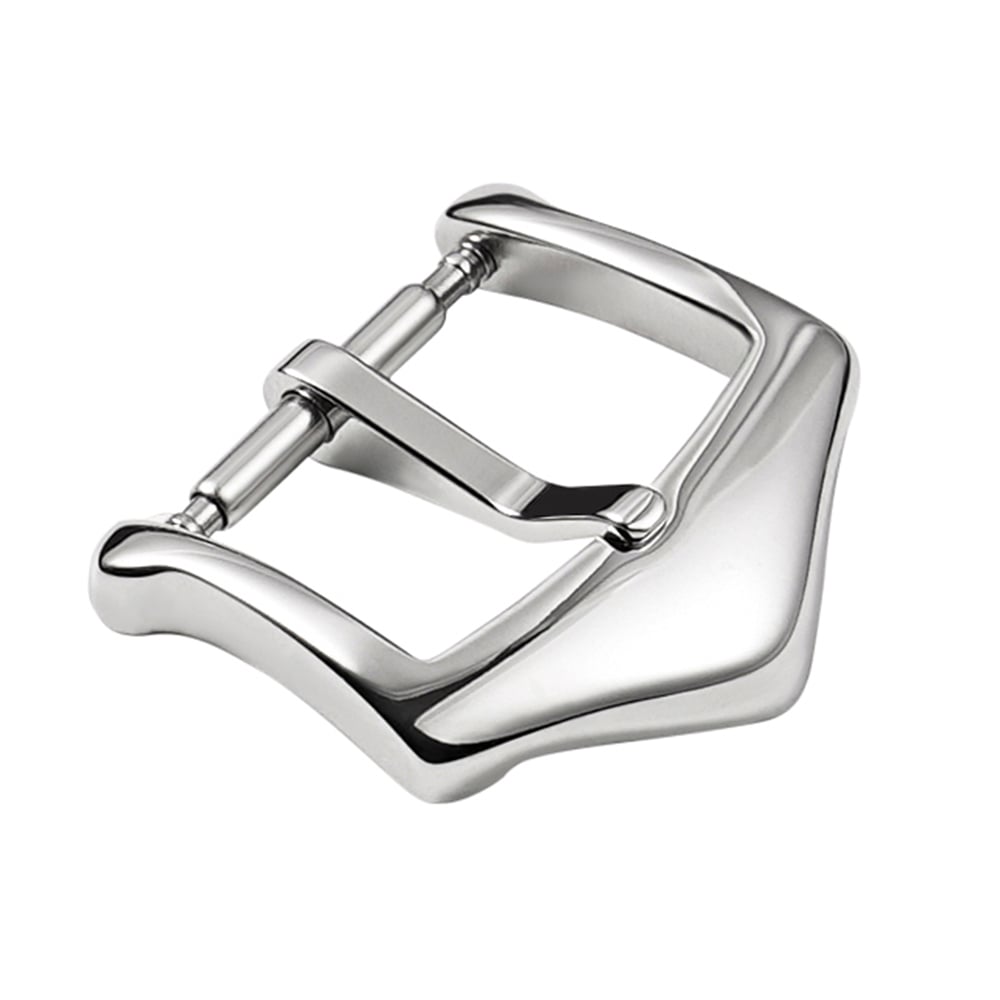
A facility capable of producing the case, dial, bracelet, buckle, and strap within a single quality management environment eliminates the tolerance stack-up risk that plagues fragmented multi-vendor supply chains.
For a global luxury brand requiring that every exterior component meet a unified dimensional tolerance standard and a consistent surface finishing specification, a single integrated production anchor in China delivers what a consortium of specialized European sub-suppliers cannot: guaranteed micro-dimensional compatibility between all habillage components, managed under one quality control system.
The practical consequence of this integration is measurable: brands that have consolidated their exterior component sourcing to integrated Chinese manufacturers report prototype cycle compression from 18-22 weeks to 8-12 weeks, and aftermarket return rate reductions of 50 to 70 percent compared to fragmented multi-vendor sourcing models.
A well-regarded European independent brand producing references in the $2,000 to $4,500 retail segment had historically sourced case bodies from a Swiss sub-supplier, dials from an independent dial house, and bracelets from a Southeast Asian components manufacturer.
After a production run revealed end-link play tolerances exceeding 0.15mm — unacceptable for the brand's positioning — and a surface finishing discrepancy between the case and bracelet that was visible without magnification, the brand's supply chain director initiated a structured China supplier audit.
After evaluating three shortlisted facilities against a 47-point technical audit protocol, the brand selected a precision manufacturer with 18 years of horological production experience, full in-house exterior component integration, and demonstrated capability in 904L polishing and Grade 5 titanium case finishing.
The first integrated production run produced end-link tolerances within 0.04mm, eliminated surface tone discrepancy, and achieved the required 100-meter water resistance certification — results the brand's prior fragmented supply chain had never achieved.
The category of luxury watch manufacturer in China is not an oxymoron — it is an operational reality for the brands sophisticated enough to evaluate manufacturing partners on technical infrastructure rather than country-of-origin perception.
The supply chain capabilities that define China's top-tier horological manufacturers — multi-axis precision CNC, ionic surface hardening, cleanroom dial production, and integrated exterior component manufacturing — are the same capabilities that define luxury watch exterior quality globally.
Brands that access these capabilities through well-audited Chinese manufacturing partners are not making a quality compromise. They are making a supply chain optimization that their less sophisticated competitors have not yet discovered.
Q: How do China's top-tier watch manufacturers compare to European sub-suppliers in terms of surface finishing capability?
A: For the specific capabilities of multi-axis precision CNC, high-brightness mirror polishing, and ionic surface hardening, China's elite facilities have achieved technical parity with European sub-suppliers and, in integrated manufacturing efficiency, surpass them. The distinguishing advantage is the ability to produce all exterior components under a single quality management system, eliminating inter-supplier dimensional mismatches.
Q: What specific quality certifications should a luxury watch manufacturer in China hold?
A: ISO 9001 quality management system certification is the minimum baseline. Beyond ISO 9001, look for documented compliance with ISO 22810 for water resistance testing, material traceability certification from mill-certified raw material suppliers, and evidence of structured cleanroom environmental control for dial production. First-article inspection records from luxury brand production runs are the strongest evidence of actual luxury-tier production capability.
Q: What is the realistic price difference between sourcing exterior components from China versus Switzerland?
A: For equivalent specifications — 904L steel, Grade 5 titanium, multi-faceted case profile with brushed and mirror-polished surfaces — China-manufactured components from qualified precision manufacturers are typically priced 40 to 60 percent below Swiss sub-supplier equivalents. This differential is driven by structural labor and operational cost factors, not by any quality compromise in capability.

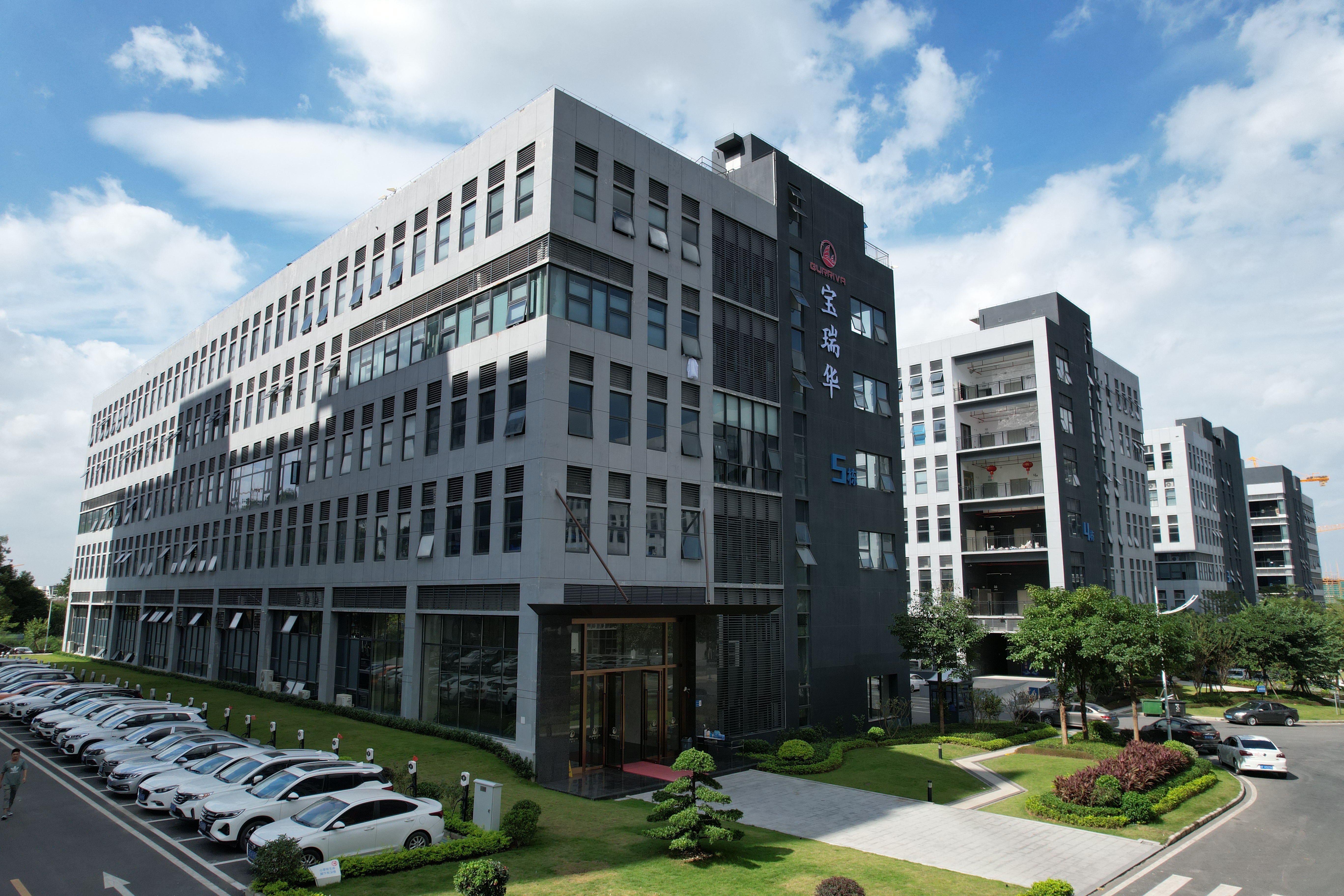
Baoruihua (Dongguan) Precision Technology Co., Ltd. is a precision watch manufacturer specializing in OEM and ODM watch components, including cases, dials, bracelets, and buckles. We provide stable production, strict quality control, and reliable supply for global watch brands. Contact us to discuss your project.
Building5, No.459 Xiecao Road, Xiegang town, Dongguan, Guangdong
Copyright © 2025 by Baoruihua (Dongguan) Precision Technology Co., Ltd. Privacy Policy
 EN
EN
 Hot News