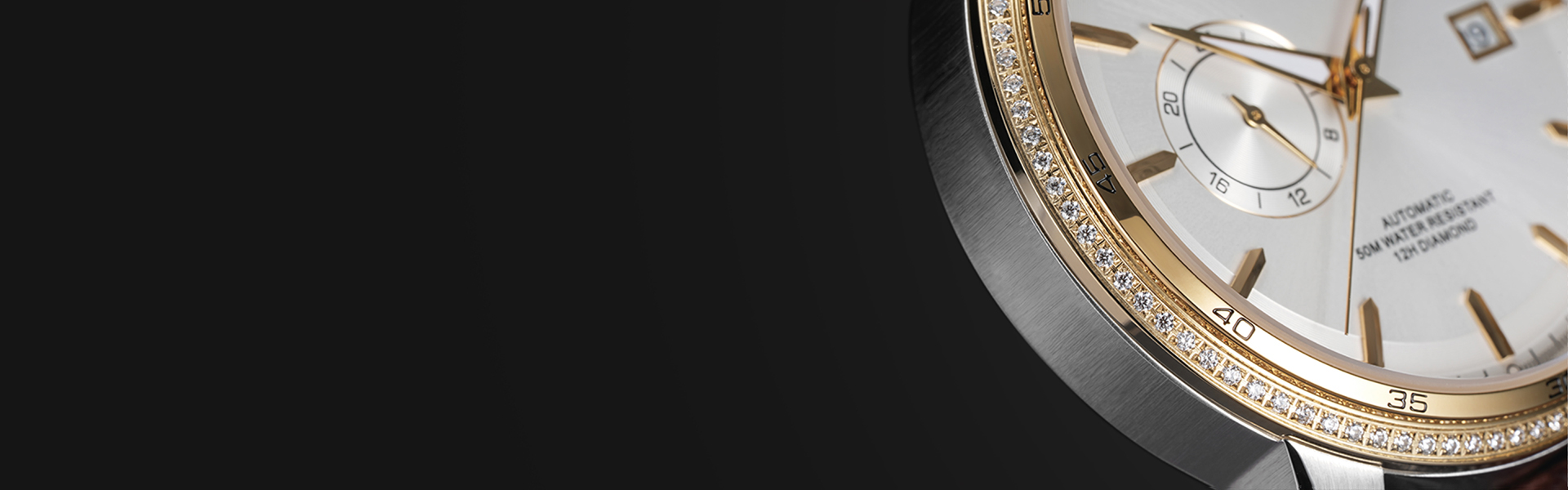
Getting down to sub 0.1mm tolerances when making custom watch dials isn't just about hitting numbers on paper. It actually forms the base for how well these watches work over time and looks right too. When parts don't line up properly past that point, things start rubbing against each other inside the watch where movement meets dial and case. More friction means faster wear and tear, and eventually the watch starts losing or gaining time. Visually speaking, tiny mistakes throw off everything else. The hands might seem off center compared to hour markers or subdials appear misaligned, making reading the time harder than it should be. Maintaining such tight specs keeps every part working together smoothly, giving those premium timepieces their signature flawless operation and that clean look collectors expect from quality craftsmanship.
Elite watchmakers need to hit those super tight tolerances, so they've started using laser guides and optical alignment gear. What these fancy tools do is basically paint reference lines right on top of the watch face and casing, letting the craftsmen check if everything's lined up properly while working. Traditional clamps and fixtures can scratch things or mess with delicate surfaces, but optical systems just hover there without touching anything. That means tiny adjustments can be made without worrying about damaging precious materials or messing up hand-finished textures. For bespoke watch faces with complicated engravings or fragile enamel work, this matters a lot. A single misalignment could ruin hours of meticulous engraving, so having that real time feedback makes all the difference when assembling these high end timepieces where every micrometer counts.
Choosing the right materials lies at the heart of creating custom watch dials, as this decision affects how durable they are, what kind of finish they get, and how well they perform over time. Most luxury watchmakers still go with brass for their premium dials because it takes plating really well and works great when machining, although these brass dials need some sort of protective coating to stop them from oxidizing. Stainless steel stands out for being much stronger and resistant to rust, which makes it perfect for sports watches and tools that might get exposed to rough conditions. Ceramic is another option, but working with it can be tough since it's so hard to machine. Still, ceramic gives amazing scratch protection and expands almost nothing when temperatures change (just 0.5×10⁻⁶ per Kelvin versus 18×10⁻⁶ for brass). That means ceramic dials stay stable even when subjected to different climates. When putting together a watch, getting the dial material to match both the movement and case isn't just about looks either— it actually improves how reliable the whole piece will be, especially important for those watches designed for precise timing.
Getting surfaces right before applying any coating or finish matters a lot for how well everything sticks together. Electrolytic stripping works by running controlled electricity through materials to strip away old layers without hurting the underlying material too much. This keeps measurements accurate and maintains the surface quality. Manual de-lacquering takes more time and effort but gives artisans better control when dealing with complicated watch faces or antique pieces. These older items often have delicate engravings or other features that need special care during removal. When deciding which approach to take, most professionals look at how complex the dial actually is. Standard watch blanks usually handle electrolytic methods just fine, but those fancy restored timepieces demand hands-on attention. Either way, the goal stays the same: keep the foundation intact so whatever gets applied next looks sharp and lasts longer.
Getting precision right in custom watch dial printing starts with proper digital setup. Most industry folks stick to vector files at least 300 DPI (AI, EPS, SVG formats work best) because they scale without losing any details. This matters a lot when dealing with tiny fonts, brand logos, and those little index marks around the edge. The RIP calibration then turns all those design files into actual dot patterns on the printer, accurate within about 0.01mm. This controls how much ink goes where so we avoid common problems like moire patterns, ink bleeding through, or parts not lining up properly. Pair this with optical checks for alignment and everything lines up just right between what gets printed and the actual metal dial underneath. That's why collectors notice such sharp clarity in luxury timepieces these days, something regular watches just can't match.
What kind of ink we choose really matters when it comes to how something looks and how long it lasts. The UV curable stuff works pretty amazing actually. When exposed to UV light, these inks basically harden right away, giving them around 9H hardness rating and keeping colors consistent between batches about 98% of the time. They also don't mess with the material underneath much, which is great for preserving those fancy finishes like sunburst effects or metallic sheens that can get ruined otherwise. On the other hand, solvent based inks go deeper into surfaces. They stick better to things like ceramics or enamels that don't absorb much moisture, but there's a catch. These take longer to dry completely and sometimes end up blurring those tiny details if not handled carefully. Most top quality workshops mix the two approaches together. They'll start with solvent ink for the foundation layer because it bonds so well, then finish off with UV curable ink for the final graphic elements. This combination knocks scratch resistance up by roughly half compared to either type alone, and keeps the artwork looking vibrant and true even after years of handling and display.
What kind of finish goes on top really matters when it comes to how long a watch face lasts, looks good, and can be fixed later. Traditional acrylic coatings give that nice old school shine and are pretty easy to touch up if needed, though they don't stand up well against scratches since they're only around 2H to 3H hardness. On the flip side, those fancy nano coatings that mimic sapphire glass hit about 9H hardness, almost as tough as real sapphire itself, plus they resist UV light so colors stay vibrant longer. But there's a catch with these hard coatings too. Because they're so rigid, fixing mistakes during application is tricky business. Most times, an error means taking everything off completely, which puts other layers at risk of getting damaged in the process. A recent market study from last year showed something interesting happening in the luxury watch world. About two thirds of premium watch makers have started going with nano coatings for their special order dials because of how clear they look and just how durable they turn out to be over time.
Getting consistent surface finishes means having good control over what abrasives we use and how we polish things. When it comes to brushed finishes, most shops start with 180 grit paper then work their way up to around 600 grit. This helps create those nice straight lines without leaving behind big scratches that ruin the look. For polished surfaces though, there's no room for error. The speed of the machine matters a lot, plus special buffs need to be used so the heat doesn't build up too much. We've seen cases where too much heat actually melts glues or warps delicate parts of watch dials. Matte finishes are another story entirely. These usually come from either bead blasting or some kind of chemical treatment. But getting them right takes careful attention to pressure settings and making sure the media stays consistent throughout the process. A recent test back in 2023 showed something interesting too. Even small changes in grit size or blasting pressure (like just 10%) can make noticeable differences when light hits the surface, which is why top quality watch makers pay such close attention to these details during production.
Good watch dial design isn't just about getting the math right, it also needs to work with how humans actually see things. Most experienced designers follow what's called the 12/3/6/9 rule, placing key markers at those cardinal positions around the face. This creates a natural reading pattern that makes everything look balanced and easy on the eyes. There's also something called perceptual centering where elements are placed just a tiny bit off center. Sounds odd, but this actually helps fight those pesky optical illusions we all experience. The human brain perceives them as straight even if measurements say otherwise. Watchmakers know this trick well because otherwise complicated dials with lots of extra features start looking wonky despite being technically perfect. When done right, these principles let skilled artisans craft dials where time telling becomes second nature. Information jumps out at the wearer without any effort, turning cold numbers into warm, usable data.
Getting subdial concentricity right down to about 0.05mm marks the point where mechanical precision actually starts affecting how good a watch looks. When manufacturers go beyond this tiny margin, even minor misalignments show up when someone looks closely, creating those annoying shadow effects when light hits at an angle that ruins the clean appearance. Logo embossing depth usually falls between roughly 0.1 and 0.3mm, but finding that sweet spot matters a lot. Too deep and it casts distracting shadows, too shallow and it disappears entirely. Watchmakers need to get this just right because customers handle their timepieces in so many different settings. Think about wearing a luxury watch outside in direct sunlight versus inside a dimly lit restaurant. The combination of how deep something is carved, what angle it sits at, and the finish applied makes all the difference. That's why most high end brands rely on either super accurate machine tools or laser technology for these details. Getting those small parts right isn't just about looking nice, it's also about keeping the brand recognizable no matter where someone happens to be checking the time.
Sub-0.1mm tolerances in watchmaking refer to the precision required when aligning the movement, dial, and case of a watch. This level of accuracy ensures the watch functions properly and maintains its aesthetic integrity.
Brass is commonly used because it offers excellent plating adhesion and machinability. Ceramic is favored for its scratch resistance and thermal stability, making it ideal for watches exposed to varying climates.
Vector artwork, with at least 300 DPI resolution, ensures that the designs printed on watch dials are sharp and clear, with accurate scaling for fine details such as logos and index marks.
UV-curable inks harden quickly and maintain vibrant colors, while solvent-based inks offer deeper penetration on surfaces like ceramics. Combining both enhances scratch resistance and color fidelity.

Baoruihua (Dongguan) Precision Technology Co., Ltd. is a precision watch manufacturer specializing in OEM and ODM watch components, including cases, dials, bracelets, and buckles. We provide stable production, strict quality control, and reliable supply for global watch brands. Contact us to discuss your project.
Building5, No.459 Xiecao Road, Xiegang town, Dongguan, Guangdong
Copyright © 2025 by Baoruihua (Dongguan) Precision Technology Co., Ltd. Privacy Policy
 EN
EN
 Hot News