The term Original Design Manufacturer (ODM) refers to companies in the watch world that take care of everything from start to finish when creating watches according to what a brand wants. These aren't just regular manufacturers who follow blueprints they get sent. Instead, ODMs actually have their own collection of designs, know how to handle all sorts of technical stuff, and can produce complete products right at their facilities. Brands still keep control over what makes them unique in the marketplace, but they don't need to worry about developing new ideas themselves, getting tools made, managing suppliers, or putting things together piece by piece. For smaller brands trying to get their products out there quickly and scale up operations without investing millions into factories and equipment, working with an ODM can be a game changer. Many startups find this approach lets them focus on building their brand image while leaving the complicated manufacturing side to experts who already know what works best in production.
Working together on design matters a lot when building good ODM partnerships. It brings together what the brand wants with what makes sense from a manufacturing standpoint. When companies start talking early on, they get clear about who their customers are, where they want to go visually, what features actually matter (like if something needs to withstand water or specific kinds of movement), and what kind of sales numbers they're shooting for. The ODM's designers and engineers take all this information and turn it into real possibilities that work technically. They tweak things like watch face arrangements, how comfortable the case feels in hand, and different finish choices using computer models and actual samples made in the workshop. Regular check-ins throughout the process help keep everyone on the same page. What begins as vague ideas gets shaped into properly engineered goods that truly carry forward the brand identity without losing sight of practical considerations.
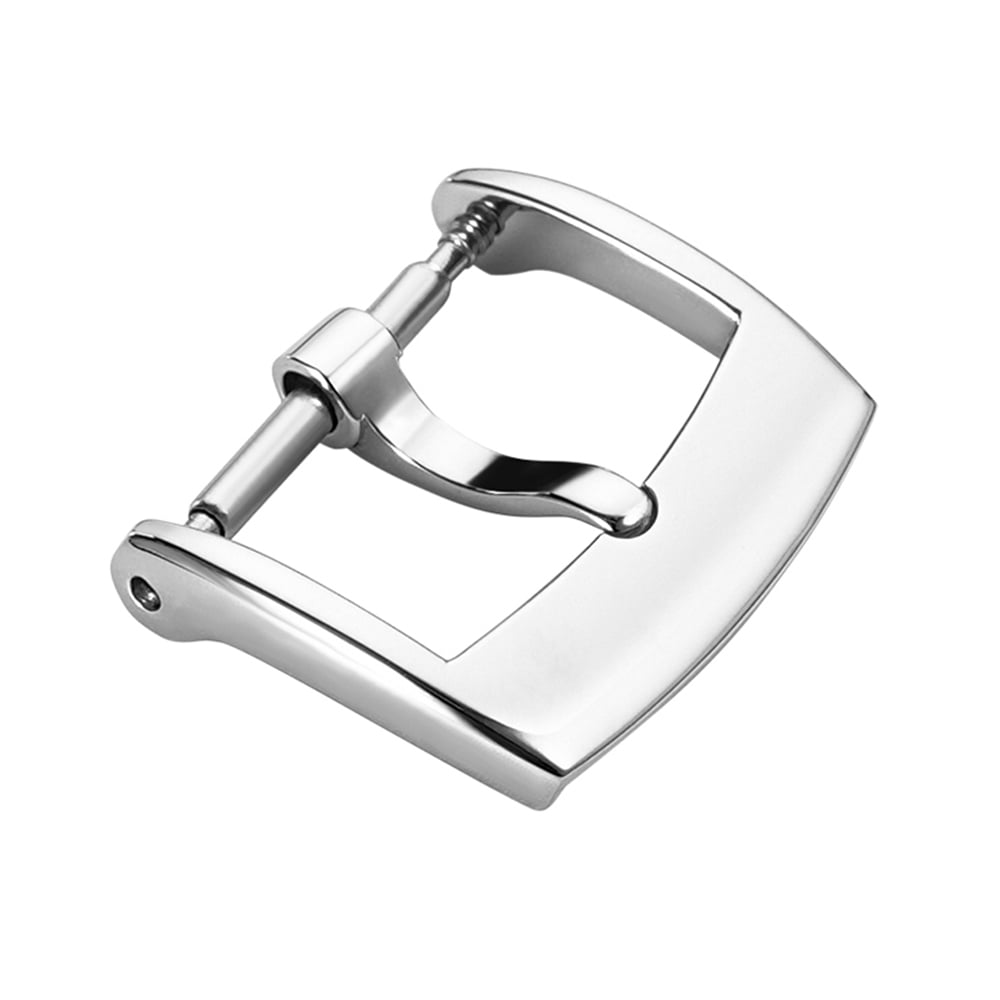
When it comes to ODMs, they really weave brand identity into every aspect of watchmaking from what people see right down to how things actually work. Custom stuff isn't just about slapping a logo somewhere. Watchmakers can tweak everything from the typeface on dials to different hand shapes, various case designs, special color schemes, and all sorts of straps made from recycled plastic collected from oceans or fancy leather options too. Some companies even go as far as engraving case backs, crowns, or buckles which gives customers something tangible to connect with. What matters most though is getting deep into technical details. Choosing between quartz movements, automatic ones, or completely custom mechanisms makes a big difference. Power reserve displays and those glow-in-the-dark compounds also need to match up with what the brand stands for whether that's sleek modern looks, old school craftsmanship vibes, or cutting edge functionality. Good ODM partners usually test their designs with real consumers early on so they know if their choices will actually click with target buyers in the marketplace.
ODM watch partners basically act like an extra arm for a brand's product development team. They help turn those initial ideas drawn on napkins into actual watches that meet all the certification requirements and are ready to ship. What makes them valuable is how they handle everything end to end. No need to bounce around between different suppliers who don't talk to each other. This cuts down on those frustrating situations where one vendor doesn't know what another did, causing problems down the line. Brands can then focus their energy on creating compelling stories about their products, figuring out where to sell them, and building relationships with customers. Meanwhile, the technical side gets handled by experts who know what works in real world manufacturing scenarios.
It all starts with getting to know the brand inside out, looking at what competitors are doing, and figuring out what users really want. Designers working for original design manufacturers sketch out ideas first, then create super realistic 3D models while engineers chime in about whether things will actually work in practice. They check things like how materials behave when stressed, if parts can be assembled properly, and what kind of manufacturing tolerances make sense. When everyone gives the green light, they move on to making quick prototypes. These might include CNC machined casings, printed watch faces, or mock movements. This helps confirm that everything fits together right and works as intended before spending money on full production tools. Usually there are around two or three rounds of prototypes, each time making adjustments based on feedback from the brand itself and various tests run by the ODM team. They look at stuff like how comfortable the product feels when worn all day, and whether important information remains readable even in different lighting conditions throughout the day.
ODM companies bring serious materials science expertise to the table when balancing looks, how long something lasts, what it costs to make, and whether it can actually be manufactured. These folks get into specifics like choosing between different types of stainless steel (the common 316L versus the tougher 904L grade), figuring out the right mix for ceramics, determining how thick the sapphire crystal should be and if it needs those anti-reflective coatings. They also look at all sorts of straps options ranging from traditional NATO weave designs to newer vegan leather choices that come with proper documentation about their origins. The engineering departments run tests using computer simulations to check if structures will hold up, work on making automatic watches more efficient in their gear trains, and decide which surface finishes (think PVD coating, diamond-like carbon treatment, brushed metal effects, polished surfaces) best match what designers want while still meeting requirements like the ISO 6425 standard for dive watches when needed. All this means actual products stay practical during manufacturing rather than just existing as pretty pictures on screen.
Top ODM companies are getting into hybrid watchmaking these days, blending smart tech features without messing up the traditional watchmaking vibe. They offer things like watches that set themselves via Bluetooth, track battery life through apps, have those fancy NFC chips for authenticity checks, or even solar powered mechanisms that last about ten years between charges. Mechanical watch brands can team up with certain ODM partners too. Some work together on special movement designs or complex features such as dual time zones or GMT functions, often collaborating directly with established Swiss or Japanese movement makers. What this means for watch brands is they can stand out from competitors not just by looking good but actually offering something extra valuable. Plus, it saves them from spending years developing their own movements from scratch and dealing with all sorts of regulations along the way.
Watch ODMs typically run their factories with lean manufacturing setups that work really well for making watches. They standardize those sub assembly lines, set up automated stations for timing adjustments on the movements, and rely on AI powered optical systems to check dial printing and align hands properly. The quality control happens throughout the whole process. First they check all incoming materials, then during production they calibrate each movement within about plus or minus five seconds per day. Cases get tested for water resistance according to either ISO 22810 or 6425 standards. And when needed, they run final tests similar to COSC certification. These companies do multiple rounds of inspections too. Their own quality assurance people go through everything, plus outside labs come in regularly. This approach cuts down on batch inconsistencies that often plague operations working with lots of different suppliers scattered around.
The modular approach to production makes it easy to scale operations. The same tools, fixtures, and skilled workers who handle a small run of 500 pieces can just as easily handle much larger volumes like 10,000 units without having to redesign anything or adjust equipment settings. ODM partners keep extra manufacturing capacity on standby and have already vetted backup suppliers for important parts such as hairsprings that control movement accuracy or balance wheels which affect timekeeping precision. This means they can react quickly if orders suddenly increase. What's really important is how these manufacturers handle different regulatory requirements around the world. They take care of getting products certified with CE marks needed in Europe markets, FCC and ISED approvals required in North America, plus all the paperwork related to RoHS and REACH standards. Brands don't waste time waiting for certifications when they want to sell their watches overseas because the ODMs have already sorted out these complicated compliance issues ahead of time.
The latest Watch Industry Manufacturing Report from 2023 shows something interesting: about three quarters of new watch companies actually work with ODM partners. And this isn't because they can't do it themselves, but because it gives them a real edge in the market. What these startups get is instant access to all sorts of manufacturing expertise they wouldn't normally have. Think about things like getting certified watch movements, doing precise metalwork, those fancy finishing touches on the cases, plus handling shipping around the world—all without having to spend millions on factory equipment. The numbers tell the story too. Brands working this way typically bring their watches to market 40 percent quicker than traditional manufacturers. Their products also show 30 percent better quality between different production runs. When money matters so much for small businesses, saving cash while still maintaining standards makes all the difference. These efficiencies help companies stay flexible when trends change and build better financial models overall, which is exactly what most watchmakers need in today's competitive market where customers care deeply about the whole experience.
Clear communication, consistent processes, and shared responsibility are what makes successful ODM relationships work well over time. Brands that keep their lines open with regular updates and set measurable goals together tend to maintain control over their creative direction while still getting valuable input on how things actually get made. The best partnerships don't see the ODM as just someone who produces goods when asked for them. Instead they become true collaborators in developing products, working side by side through all stages of development rather than handing off projects and waiting for results.
Good collaboration with original design manufacturers depends heavily on regular communication habits. Most successful partnerships have weekly meetings between different departments like design, engineering, and quality assurance. They also use online dashboards where everyone can see what milestones have been completed and what issues still need fixing. And there should be clear rules about who gets involved when problems arise. According to a recent industry report published in 2024, companies that follow this approach tend to face about 40 percent fewer production holdups and get around 35 percent better results on their first attempts at manufacturing. The reason? Problems get sorted out early before they turn into expensive fixes later. When teams receive live information about how long materials will take to arrive, where tooling stands, or if tests fail unexpectedly, nobody gets caught off guard. This kind of transparency lets managers make decisions while there's still time to adjust things instead of scrambling at the last minute.
Having one person who speaks both brand strategy and watchmaking lingo acts as that vital link between what gets dreamed up and what actually gets made. Someone who can keep timelines on track, get sign-offs from all the right people, and explain complicated technical stuff in terms that make sense to the brand team. According to industry numbers from 2024, companies that assign specific ODM project managers launch products to market about half as fast as those without this role. And they're also much happier with how closely the finished product matches their original vision. These stats back up what many in the field already know – when there's good communication happening behind the scenes, even technically complex projects tend to work out better in the end.
Healthy partnerships between brands and manufacturers usually work best when they follow what we might call informed independence. Brands establish certain requirements that simply cannot be compromised - things like making sure the dial is readable from 10 meters away, or ensuring the case fits comfortably on most 6.5 inch wrists. At the same time, these brands need to trust their manufacturing partners to figure out the best ways to meet those goals. Maybe it's adjusting the angle of the bezel, choosing the right luminous material for the markers, or figuring out how to arrange components inside the movement. This approach keeps the brand's identity intact while still benefiting from all the knowledge accumulated over years in watchmaking. What makes this model so effective is that it steers clear of two common problems. On one hand, there's too much control which can really slow things down. On the other, complete lack of direction often leads to products that don't quite match what was intended. When done right, these collaborations produce watches that actually feel purposeful, well thought out, and distinctly representative of the brand behind them.
ODM stands for Original Design Manufacturer, which refers to companies that handle everything from designing to producing watches based on a brand's specifications and needs.
ODM watch manufacturing allows small brands to scale their operations without significant investment in factories and equipment. This lets them focus on building their brand while leaving manufacturing to experts.
ODM partners incorporate brand identity into watch design through customization, including dial typeface, hand shapes, case designs, and colors while ensuring technical functionality aligns with the brand's vision.
Collaborative design in watch manufacturing ensures that the brand's vision aligns with practical manufacturing possibilities, leading to the creation of technically viable products without compromising brand identity.

Baoruihua (Dongguan) Precision Technology Co., Ltd. is a precision watch manufacturer specializing in OEM and ODM watch components, including cases, dials, bracelets, and buckles. We provide stable production, strict quality control, and reliable supply for global watch brands. Contact us to discuss your project.
Building5, No.459 Xiecao Road, Xiegang town, Dongguan, Guangdong
Copyright © 2025 by Baoruihua (Dongguan) Precision Technology Co., Ltd. Privacy Policy
 EN
EN
 Hot News