Per i fondatori di marchi indipendenti di orologi e per i responsabili della catena di approvvigionamento, la scelta di un produttore di orologi di alta gamma non è una semplice operazione di approvvigionamento: si tratta di un partenariato tecnico fondamentale che determinerà il livello massimo di qualità del prodotto, di posizionamento sul mercato e di efficienza operativa raggiungibile dal marchio.
I criteri di valutazione che distinguono i veri produttori di orologi di alta gamma dalle strutture che rivendicano tale qualifica senza possedere l’infrastruttura tecnica sottostante sono specifici, verificabili e spesso fraintesi. Questa guida fornisce il quadro operativo per condurre una valutazione strutturata in quattro ambiti: capacità di ingegneria di precisione, competenze nella finitura superficiale, infrastruttura dei sistemi di qualità e profondità dell’ingegneria DFM.
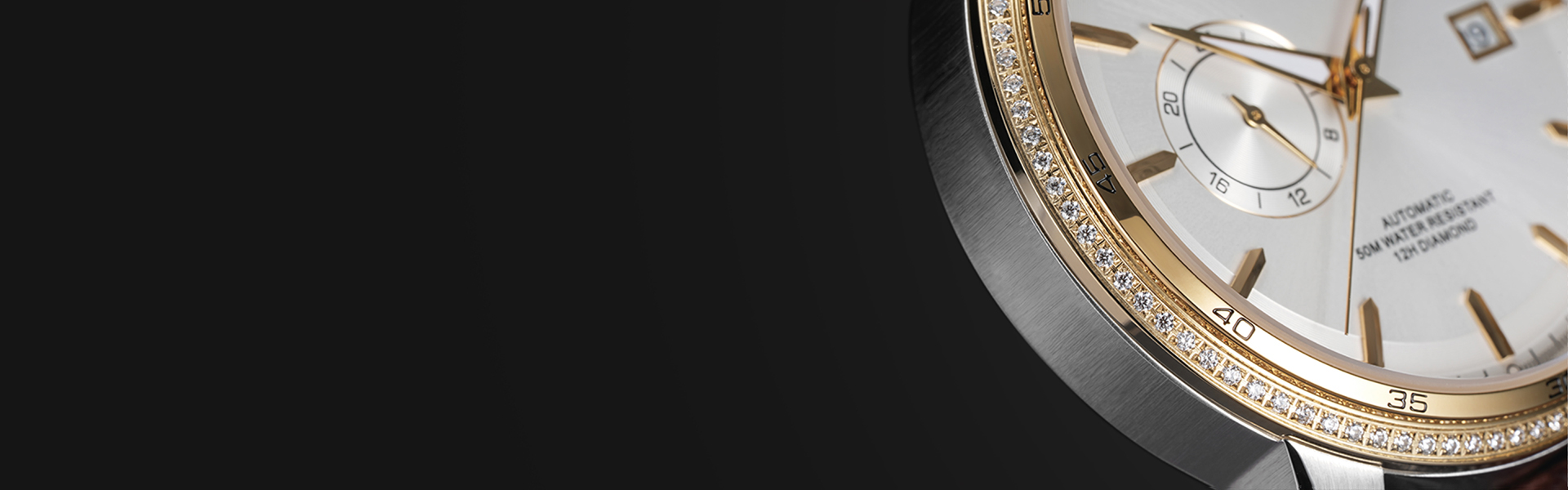
La capacità tecnica più fondamentale di un produttore di orologi di alta gamma è la lavorazione CNC di precisione multiasse per geometrie complesse della cassa. I moderni orologi di microbrand e di lusso indipendenti presentano profili della cassa intricati e multifaccettati — fianchi satinati alternati a smussi lucidati a specchio, architetture protettive della corona incassate e profili geometrici del fondello — che richiedono operazioni CNC a cinque assi per essere realizzati.
Un impianto che rivendica lo status di produttore di orologi di alta gamma dovrebbe essere in grado di dimostrare: una capacità documentata di tolleranza dell’albero portautensile pari a ±0,01 mm o migliore per le dimensioni critiche della cassa, inclusa la larghezza delle anse, il diametro della cassa e la profondità del sedile del cristallo; registri completati dell’ispezione del primo pezzo (FAI) per geometrie di cassa analoghe, che riportino le misure effettive confrontate con le dimensioni nominali per tutte le caratteristiche critiche; e programmi attivi di utensileria per leghe orologiere, con parametri di taglio specificamente calibrati per acciaio 316L, acciaio 904L, titanio grado 5 e bronzo, che tengano conto delle peculiari caratteristiche di gestione termica e usura degli utensili di ciascuna lega.
L’indicatore di valutazione che rivela in modo più affidabile la capacità di lavorazione non è l’elenco delle attrezzature, bensì la qualità della linea di transizione tra superfici — il confine geometrico tra una superficie spazzolata e una lucidata a specchio.
In strutture dotate di autentica precisione CNC a cinque assi, questa transizione è geometricamente netta, uniforme su tutta la produzione e non richiede correzioni manuali successive. In strutture meno attrezzate, la linea di transizione viene attenuata da una lucidatura eccessiva, la superficie spazzolata presenta una direzione della grana inconsistente e le superfici lucidate a specchio presentano micro-spirali visibili con un ingrandimento 10x.
La finitura superficiale nella produzione di orologi di alta gamma si colloca all’incrocio tra ingegneria di precisione e artigianato manuale; l’equilibrio tra queste due dimensioni costituisce l’indicatore più affidabile del livello qualitativo di un produttore.
Le capacità di finitura che definiscono un autentico produttore di orologi di alta gamma comprendono: lucidatura a specchio fino a un livello di riflettività tale da eliminare tutti i segni visibili lasciati dagli utensili sulla superficie, anche osservando al microscopio con ingrandimento 10x (ottenere questo risultato sull’acciaio inossidabile 904L richiede sequenze specializzate di lucidatura multistadio, con grane abrasive progressive da 400 a 8.000, oltre a una fase finale di brunishing); spazzolatura satinata con direzione coerente della grana e profondità uniforme della grana su tutte le superfici spazzolate della cassa, comprese le superfici interne delle fessure per i cinturini; capacità di rivestimento PVD e DLC, accompagnata da protocolli documentati di test di adesione, che confermino l’integrità dei rivestimenti decorativi dopo 1.000 cicli di prova di abrasione; e capacità di indurimento superficiale ionico (DLC o simile) in grado di garantire una resistenza ai graffi superiore a 1.200 Vickers, senza alcuna variazione dimensionale dei componenti finiti.
Per la produzione di quadranti in pietra e materiali non metallici — sodalite, malachite, meteorite, avventurina — il criterio di valutazione è il controllo del tasso di frattura durante il taglio CNC per ottenere uno spessore di circa 0,4 mm. I quadranti in pietra con questo spessore sono strutturalmente fragili e i produttori privi di protocolli specifici per la produzione di quadranti in pietra registrano generalmente tassi di frattura superiori al 30% durante la fresatura della finestra della data e l’installazione degli indici.
Gli impianti di fascia alta, dotati di parametri ottimizzati per la lavorazione della pietra, raggiungono tassi di frattura inferiori all’8% grazie a velocità di avanzamento controllate, utensili specializzati e progettazione precisa dei dispositivi di fissaggio.
L'infrastruttura dei sistemi qualità di un produttore di orologi di fascia alta deve essere verificabile a livello di attrezzature, non solo a livello di certificato. La certificazione ISO 9001 costituisce un livello minimo di base: la valutazione significativa va oltre il certificato, per concentrarsi sulla realtà operativa con cui la qualità viene gestita in ciascuna fase della produzione.
Il controllo qualità in entrata (IQC) specifico per ogni fase deve includere la verifica della certificazione dei materiali rispetto ai certificati di laminazione del fornitore, la verifica dimensionale effettuata mediante apparecchiature CMM tarate o strumenti di misura di precisione e l’ispezione preliminare della superficie sotto illuminazione standardizzata.
I punti di controllo qualità in processo (IPQC) devono essere previsti nelle fasi di lavorazione CNC (dopo l’ispezione iniziale su primo pezzo, FAI), finitura superficiale (transizione di finitura e qualità della superficie), produzione del quadrante (uniformità della lacca, applicazione del luminescente, allineamento degli indici) e installazione delle guarnizioni (verifica della compressione dell’O-ring).
L'infrastruttura per la verifica della resistenza all'acqua è la capacità di verifica qualitativa più critica in assoluto: una postazione di prova dedicata tarata secondo la norma ISO 22810, con registri di taratura documentati, che esegue prove di pressione d'aria a una profondità equivalente pari a 1,25 volte la profondità nominale di resistenza all'acqua su cassa completata prima dell'installazione del movimento.
Le fabbriche prive di un'infrastruttura dedicata per i test di resistenza all'acqua non possono rivendicare in modo credibile lo status di produttore di orologi di fascia alta: i guasti relativi alla resistenza all'acqua rilevati dopo l'assemblaggio richiedono la rimozione del movimento, interventi di ritocco e nuove ispezioni, generando costi che impattano in misura sproporzionata sull'economia dei piccoli lotti prodotti da marchi indipendenti.
La capacità ingegneristica per la produzione (DFM) è la capacità che distingue in modo più evidente i produttori di orologi di fascia alta dalle fabbriche di componenti. Una fabbrica che si limita a eseguire i file di produzione è un fornitore. Una fabbrica dotata di una reale capacità ingegneristica DFM interna è un partner tecnico per lo sviluppo.
I criteri di valutazione DFM per i produttori di orologi di fascia alta includono: team ingegneristico interno con esperienza documentata nella progettazione strutturale esterna degli orologi, in grado di esaminare bozzetti concettuali e fornire un feedback sulla fattibilità strutturale entro 48–72 ore; capacità di modellazione 3D CAD con software specifico per la progettazione orologiera (SolidWorks o equivalente), con comprovata esperienza nella modellazione delle tolleranze di spazio tra quadrante e vetro, delle tolleranze di impilamento delle lancette e dei rapporti di compressione delle guarnizioni per il rispetto dei requisiti di resistenza all’acqua; e capacità di prototipazione rapida mediante campioni metallici lavorati a CNC (non modelli plastici stampati in 3D) già nella prima fase di revisione del progetto.
Il valore della capacità DFM si accumula lungo l'intero processo di sviluppo del prototipo: una fabbrica che identifica un rischio strutturale nella fase di revisione del brief elimina il costo di un prototipo fallito; una fabbrica che rileva un problema di compressione della guarnizione nella fase di prototipazione evita un malfunzionamento della resistenza all'acqua nella produzione in serie; una fabbrica che segnala un accumulo di tolleranze di gioco del ricevitore nella revisione DFM previene un malfunzionamento per usura meccanica sul campo.
La valutazione dei produttori di orologi di alta gamma deve essere condotta simultaneamente su tutti e quattro i domini: capacità di ingegneria di precisione, competenza nella finitura superficiale, infrastruttura dei sistemi qualità e profondità dell'ingegneria DFM.
Un impianto eccellente nella precisione CNC ma privo di capacità di produzione di quadranti in cleanroom non è in grado di soddisfare l’intero requisito di componenti esterni di un marchio luxury. Un impianto con elevata competenza nella finitura ma privo di un’infrastruttura standardizzata per i test di resistenza all’acqua introduce un rischio strutturale inaccettabile nelle operazioni di un brand D2C.
I produttori che soddisfano i requisiti in tutti e quattro i domini sono i veri produttori di orologi di alta gamma — e costituiscono i partner produttivi in grado di consentire ai marchi indipendenti di competere al livello richiesto dalle loro ambizioni progettuali.
D: Qual è l’indicatore singolo più affidabile della capacità di precisione CNC di un produttore di orologi di alta gamma?
R: La qualità della linea di transizione della finitura — il confine geometrico tra le superfici satinature e quelle lucidate a specchio su una cassa prodotta. Questo indicatore sintetizza precisione CNC, calibrazione degli utensili e disciplina nella finitura in un unico risultato visibile. Nessun impianto può produrre una linea di transizione della finitura geometricamente netta e coerente su scala produttiva senza una reale capacità CNC multiasse e operatori esperti nella finitura.
D: Come dovrebbe un marchio indipendente di orologi bilanciare la capacità DFM rispetto alla qualità della finitura superficiale nella valutazione di un produttore?
A: La capacità DFM influisce su ogni prodotto che la fabbrica produrrà in futuro per il marchio: si tratta di un moltiplicatore strutturale dell’efficienza nello sviluppo e della gestione del rischio. La qualità della finitura superficiale può essere valutata direttamente sui campioni di produzione. Valutare entrambi i fattori in egual misura, ma riconoscere che una buona qualità della finitura superficiale nei campioni non garantisce necessariamente una profonda competenza ingegneristica DFM, mentre una solida competenza ingegneristica DFM si correla costantemente con una buona qualità della finitura superficiale nell’output produttivo.
D: A quale soglia di volume produttivo diventa fondamentale che tutti i componenti esterni provengano da un unico fornitore integrato?
A: Il rischio di accumulo delle tolleranze derivante da un approvvigionamento frammentato da più fornitori diventa statisticamente significativo per lotti superiori a 300 unità. Al di sotto di questa soglia, la varianza dimensionale tra i diversi fornitori può essere gestita mediante selezione manuale e adattamento. Al di sopra di questa soglia, la probabilità di errori sistematici nelle tolleranze — gioco visibile nel collegamento finale, discordanza cromatica superficiale, allineamento errato del piedino del quadrante — aumenta fino a generare tassi costanti di resi post-vendita, con conseguente deterioramento cumulativo dell’economia unitaria lungo l’intera produzione.
 Ultime notizie
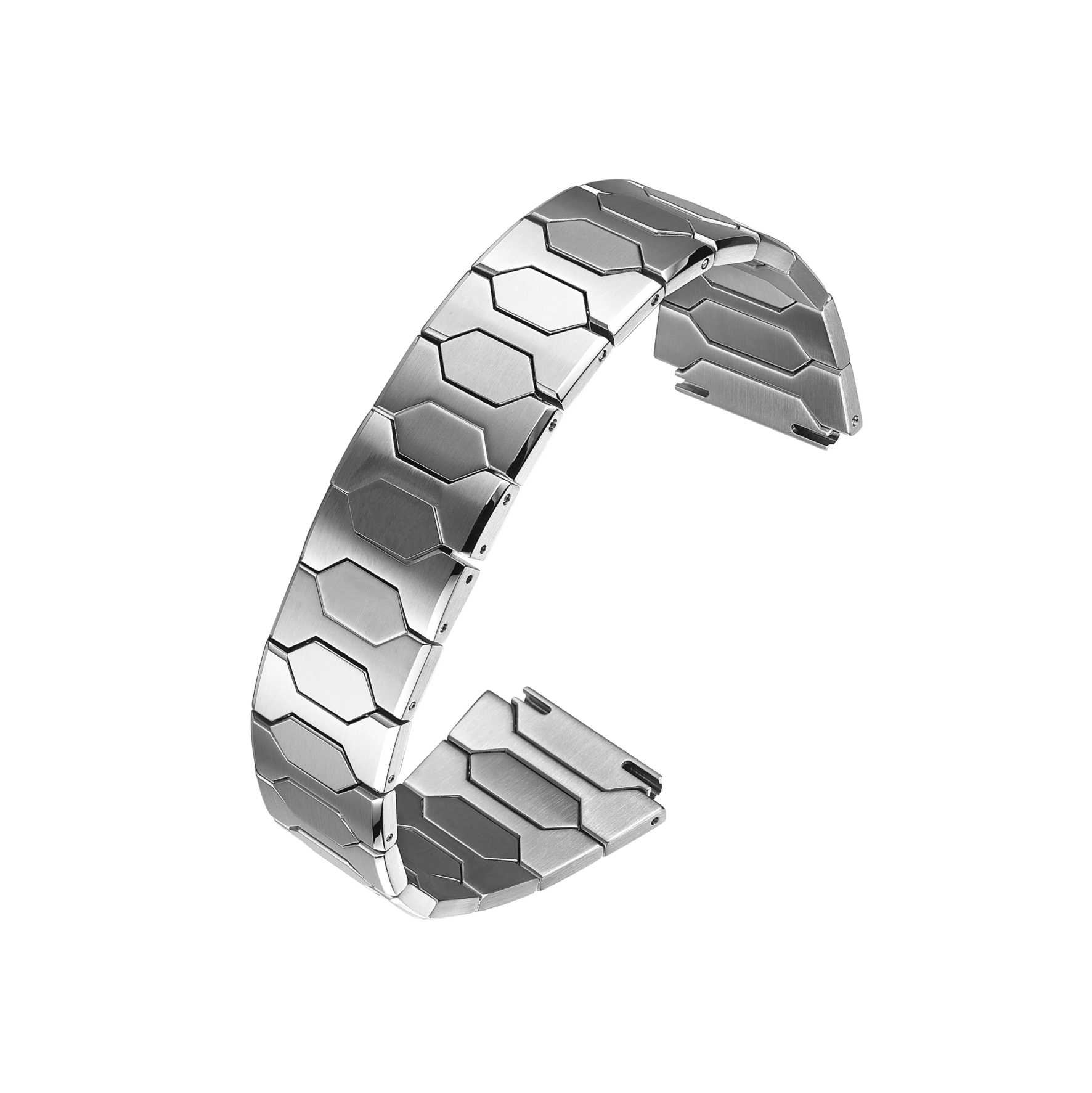
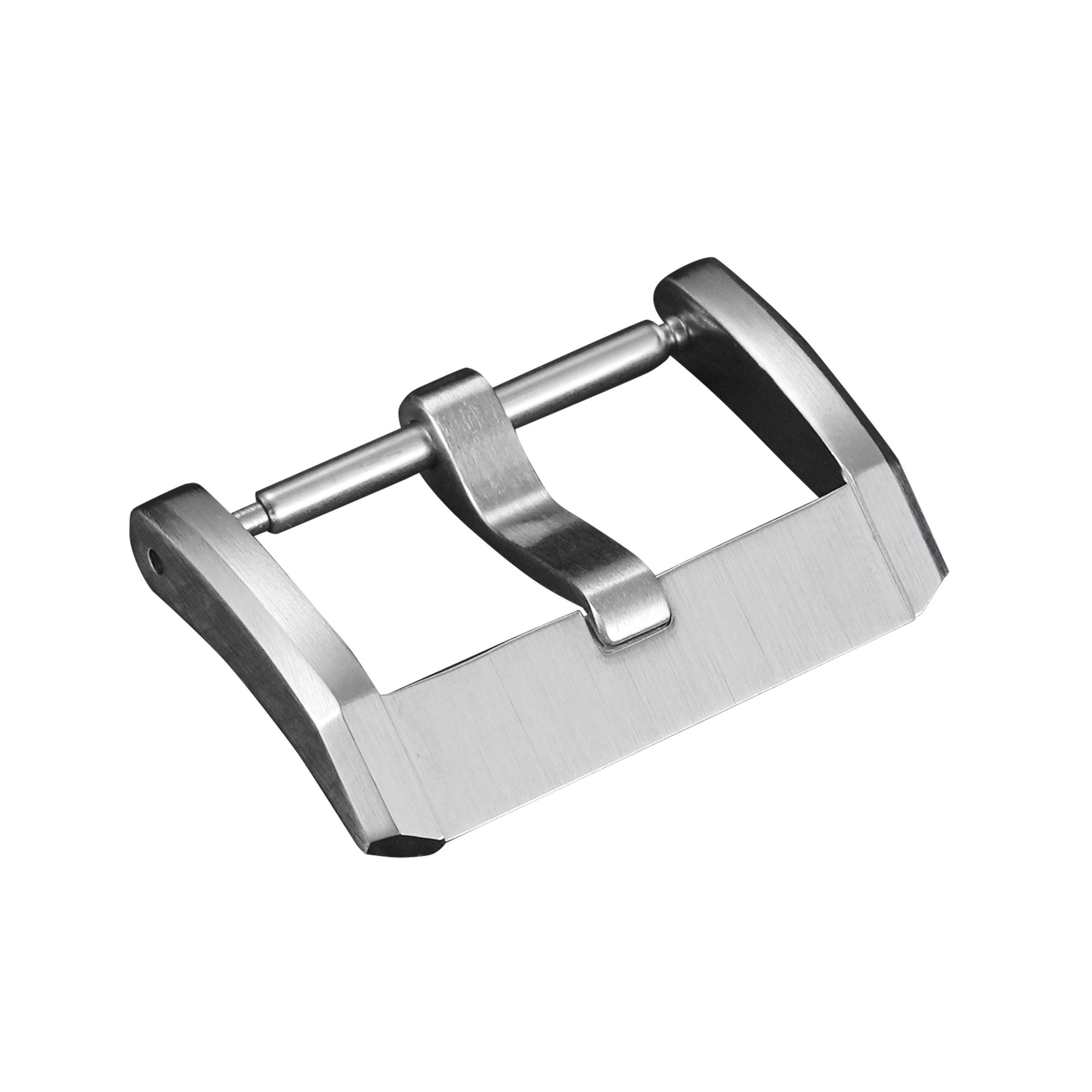
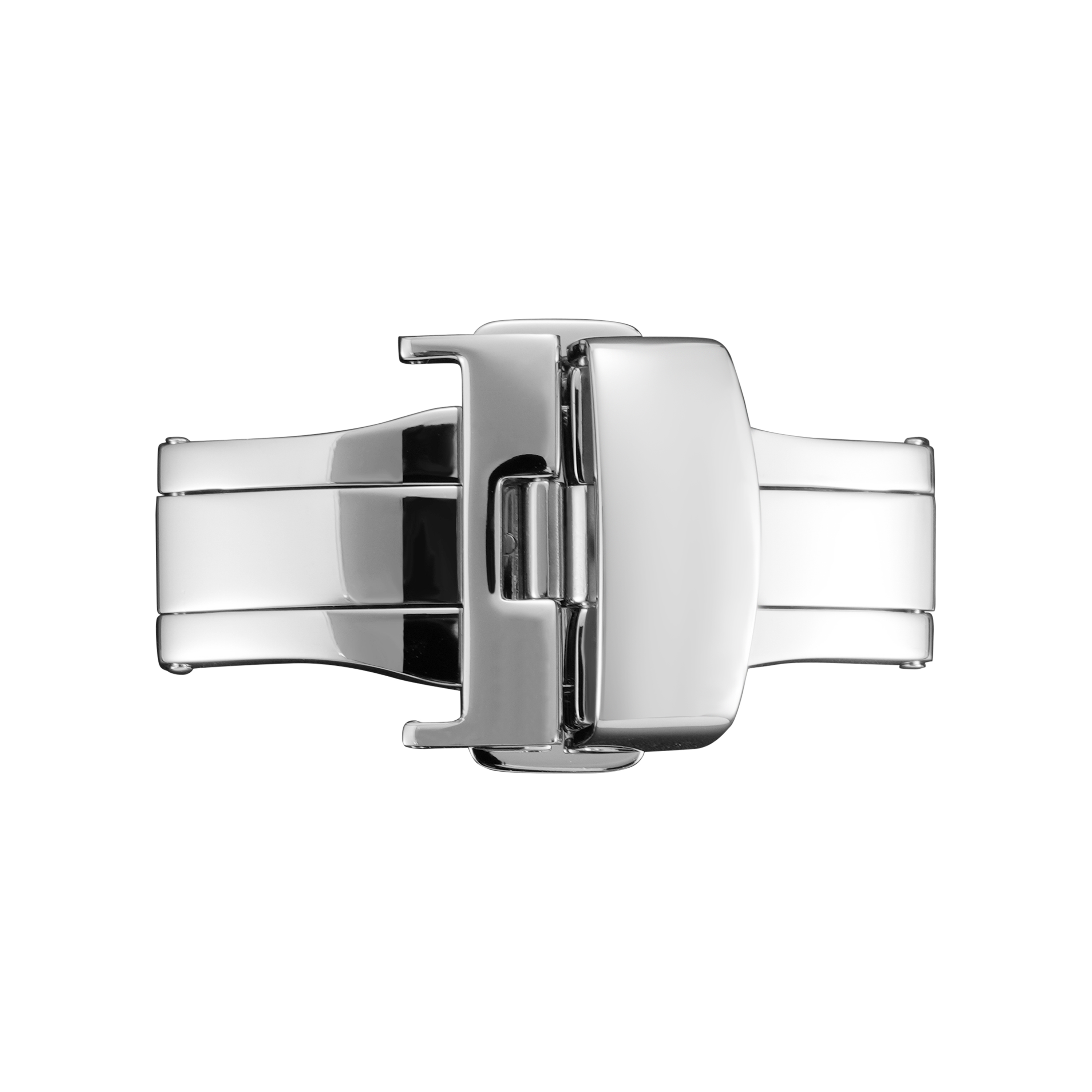
Baoruihua (Dongguan) Precision Technology Co., Ltd. è un produttore di orologi di precisione specializzato nella produzione di componenti per orologi OEM e ODM, inclusi casse, quadranti, bracciali e fibbie. Offriamo una produzione stabile, un rigoroso controllo qualità e una fornitura affidabile per i principali marchi internazionali di orologi. Contattateci per discutere il vostro progetto.
Edificio 5, N. 459 Xiecao Road, Xiegang town, Dongguan, Guangdong
Diritti d'autore © 2025 Baoruihua (Dongguan) Precision Technology Co., Ltd. Informativa sulla privacy
 EN
EN