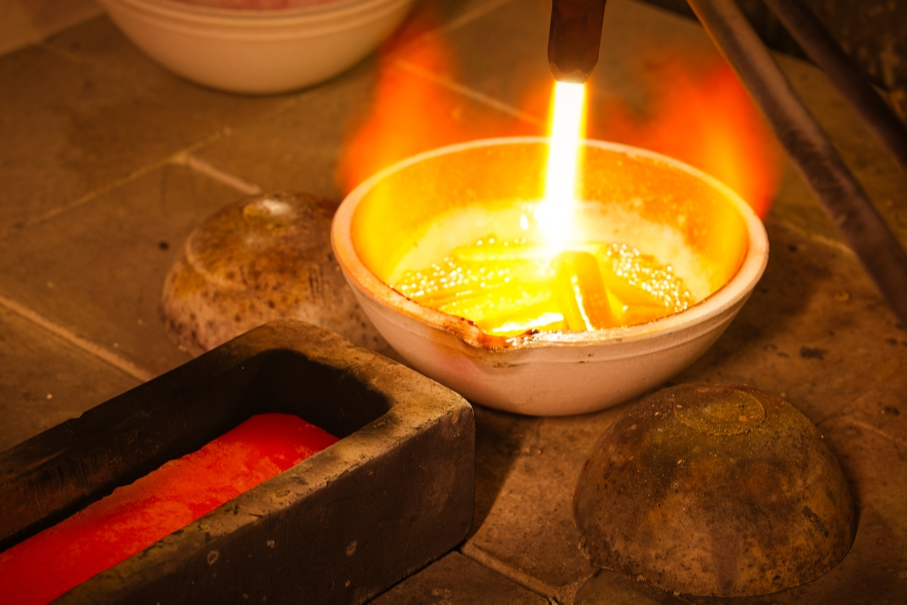
Når du vurderer potensielle leverandører, må du finne ut om de er gode på full produksjon (OEM), på å lage produkter under ulike merkenavn (privatmerke), eller på å produsere spesialiserte komponenter. Leverandører som kontrollerer de fleste aspektene av produksjonen håndterer vanligvis OEM-prosjekter bedre, mens selskaper med fokus på design ofte presterer best ved privatmerke-avtaler. For bedrifter som trenger svært tekniske komponenter – for eksempel med presisjonsbevegelige deler eller avanserte keramiske kabinetter – er komponentinnkjøp den mest hensiktsmessige løsningen. Bransjestudier viser at omtrent 37 % av samarbeidsavtaler mislykkes når bedrifter samarbeider med leverandører hvis styrker ikke samsvarer med deres egne behov. Derfor er det så viktig å sikre en god overensstemmelse mellom kapasitetene.
Når man vurderer hvor fleksibel produksjonen virkelig er, er det tre nøkkelområder som må sjekkes først. Hvor mye kan de justere minimumsbestillingsmengder når aktiviteten øker? Hva er deres historikk når det gjelder å øke produksjonen ved lansering av nye produktlinjer? Og har de tilstrekkelig med reservedeler på lager for de vanskelige å skaffe komponentene, som f.eks. safirglass eller spesielle interne mekanismer? Tallene forteller også en historie her. Ifølge forskning fra Ponemon Institute i fjor kunne leverandører som ikke klarer å overstige 120 % av normal produksjonskapasitet under travle perioder miste rundt 740 000 USD i inntekter bare under juleperioden. For kritiske forsyninger skal man ikke stole på noen andres ord. Be om å se faktiske skriftlige planer som beskriver hva som skjer hvis noe går galt – ikke bare løfter gitt under kaffemøter.
Ved utvelgelse av leverandører bør man gi preferanse til de som har ISO 9001- eller IATF 16949-sertifiseringer, siden disse standardene virkelig demonstrerer et engasjement for kvalitetsstyringssystemer. Produksjonsprosessen må inneholde dokumenterte kvalitetskontroller på flere nøkelpunkter, inkludert montering av bevegelige deler, korrekt innstilling av viseren, ferdigstilling av urhuset og den avgjørende siste vannbestandighetstesten. Vi krever også tredjepartsauditter for å støtte påståtte defektrater. For nøyaktige deler holder vi oss spesielt til en akseptabel kvalitetsnivå (AQL) på maksimalt 1,2 %, noe som betyr at vi aksepterer maksimalt 12 feil per tusen produserte enheter. Luksusur kan ikke tolerere noe lavere enn denne standarden. En leverandør som ikke kan levere verifiserte historiske defektrapporter, blir ikke godkjent – punktum.
Pass på leverandører som prater om å ha «full kvalitetskontroll i eget hus», men som faktisk sender viktige deler av produksjonen til andre steder uten at noen sjekker hva som skjer. Tenk på ting som utskrift av skalaer, fremstilling av armbånd eller de små justeringene av utspringmekanismer som gjør at klokkene tikker riktig. Når disse operasjonene ikke overvåkes av hovedselskapet, oppstår store svakheter i produktkvaliteten. Delene dukker bare opp ved slutten av linjen, noe som betyr at urmakere ikke kan være sikre på at alt oppfyller standardene. Be en seriøs kjøper om å få navnene på alle underleverandører som er involvert, og finn ut hvilken type kvalitetskontroller de faktisk utfører. Se etter ting som når utstyret sist ble kalibrert, hvordan arbeiderne ble trent, og kanskje til og med sammendragrapporter fra eksterne revisorer. Hvis det ikke finnes noen dokumentasjonsrekke som viser at disse underleverandørene overvåkes ordentlig, er det et rødt flagg som bør tas på alvor. Noen bransjeinsider hevder at omtrent to tredjedeler av garantiproblemene med klokker i mellomprisklassen forrige år skyldtes dårlig overvåking av utlagt arbeid.
Kontraktvilkår må gjennomgås nøye for å beskytte merkevarens rykte og sikre at virksomheten drives uten avbrudd. Betalingsordninger bør baseres på faktisk fremdrift i prosjektet, ikke bare på tidspunktet for varenes ankomst. Sørg for at leveringsforpliktelser er i tråd med markedsføringsplaner og virksomhetens tidsrammer. Eierrettigheter til blant annet former, spesialdesign og merkevareelementer må tydelig fastsettes fra første dag for å unngå senere konflikter om immateriell eiendomsrett. Kvalitetskontroll er også viktig, så inkluder konsekvenser når produkter ikke oppfyller kravene, særlig med hensyn til bevegelighet, overflatefinish og motstandsdyktighet mot vannpåvirkning. Kontrakter bør også behandle hva som skjer hvis leverandører står overfor problemer som materialeknapphet, manglende etterlevelse av regelverk eller uventede internasjonale utfordringer. Ved tverrgrensehandel må det sjekkes at avtalene faktisk kan håndheves i ulike jurisdiksjoner og at de er i samsvar med verdenshandelsregler samt lokale importlover.
Hvor forutsigbare leveranser er, gjør alt forskjellen når det gjelder å drive virksomheten pålitelig. En vurdering av leverandører av klokker i mellomklassen i 2023 viser at de hadde en gap på ca. 11 dager mellom det som ble lovet og det som faktisk skjedde med fraktene. Den type inkonsekvensen forstyrrer virkelig lagerplanleggingen og ødelegger for de viktige sesongbaserte produktlanseringene. Når du forhandler kontrakter, må du sikre deg at du ber om fraktregistreringer som dekker minst tolv måneder før noe blir endelig godkjent. Disse registreringene bør bryte ned ulike klokkesamlinger og ulike ordrestørrelser. Inkluder også straffeklausuler for gjentatte forsinkelser – for eksempel en gebyr på halv prosent av hver ordres totale verdi for hver ekstra dag etter den avtalte tidsfristen. Og ikke glem å kreve regelmessige oppdateringer – fire ganger årlig vil fungere – som viser hvor produksjonsproblemer stadig dukker opp. Ifølge forskning fra horologikonkursen i fjor reduserte bedrifter som inkluderte slike leveringsgarantier i sine kontrakter lagermangler med ca. 37 prosent.
For å beskytte dine skapende arbeider, etabler sterke immaterielle-rettslige beskyttelsesmekanismer som faktisk fungerer i praksis. Før du overlever noen tekniske spesifikasjoner, krever du underskrevne taushetsavtaler (NDA-er) som er vitnet og notarielt bekreftet, og som dekker alt fra bevegelsesdesign til kasedetaljer og de unike mekaniske egenskapene som skiller klokker fra hverandre. Alle former, verktøy og spesialfikser skal til enhver tid forbli din eiendom. Lagre dem trygt i tollfrie anlegg der tilgang krever to nøkler og der fingeravtrykk registreres hver gang noen går inn. Behold full kontroll over de opprinnelige CAD-tegningene, 3D-modellene og de registrerte patentspesifikasjonene. Ingen andre får kopiere, endre eller bygge videre på disse uten skriftlig tillatelse først. Urmakerier som utelater klare eierskapsvilkår for former støter ofte raskt på problemer. Ifølge bransjerapporter ble nesten 7 av 10 merker ulovlig kopiert innen bare to år når de ikke hadde spesifisert eierskap til formene. Og glem heller ikke regelmessige sjekker. Engasjer eksterne eksperter hver tredje måned for grundige immaterielle-rettslige gjennomganger utført både av jurister og ingeniører. Dette er ikke valgfritt for alvorlige bedrifter som ønsker å beskytte det som gjør produktene deres unike.
OEM står for Original Equipment Manufacturer (originalutstyrsprodusent). Det refererer til selskaper som produserer varer som merkes om og selges av et annet selskap. I urindustrien håndterer OEM-leverandører hele produksjonsløpene, noe som gjør dem egnet for bedrifter som trenger fullstendig urproduksjon.
Skalerbarhet er avgjørende, siden den avgjør en leverandørs evne til å håndtere endringer i etterspørselen, spesielt under toppsesonger eller ved lansering av nye kolleksjoner. En skalerbar leverandør kan justere produksjonsvolum effektivt uten å kompromisse med kvaliteten.
Pålitelige urleverandører bør ha sertifiseringer som ISO 9001 eller IATF 16949, som indikerer sterke kvalitetsstyringssystemer og et engasjement for å opprettholde høye produksjonsstandarder.
For å beskytte ditt immaterielle eiendomsrett, implementer håndhevelige taushetsavtaler, behold eierskapet til former og verktøy, og sikre rettighetene til dine design. Utfør regelmessige gjennomganger av immateriell eiendomsrett sammen med juridiske og tekniske eksperter for å sikre at beskyttelsene blir overholdt.

Baoruihua (Dongguan) Precision Technology Co., Ltd. er en produsent av nøyaktige klokker som spesialiserer seg på OEM- og ODM-klokkekomponenter, inkludert kasser, skiver, bånd og buckler. Vi tilbyr stabil produksjon, streng kvalitetskontroll og pålitelig leveranse til globale klokkevarer. Ta kontakt med oss for å diskutere prosjektet ditt.
Bygning 5, nr. 459 Xiecao Road, Xiegang by, Dongguan, Guangdong
Copyright © 2025 av Baoruihua (Dongguan) Precision Technology Co., Ltd. Personvernpolicy
 EN
EN
 Siste nytt