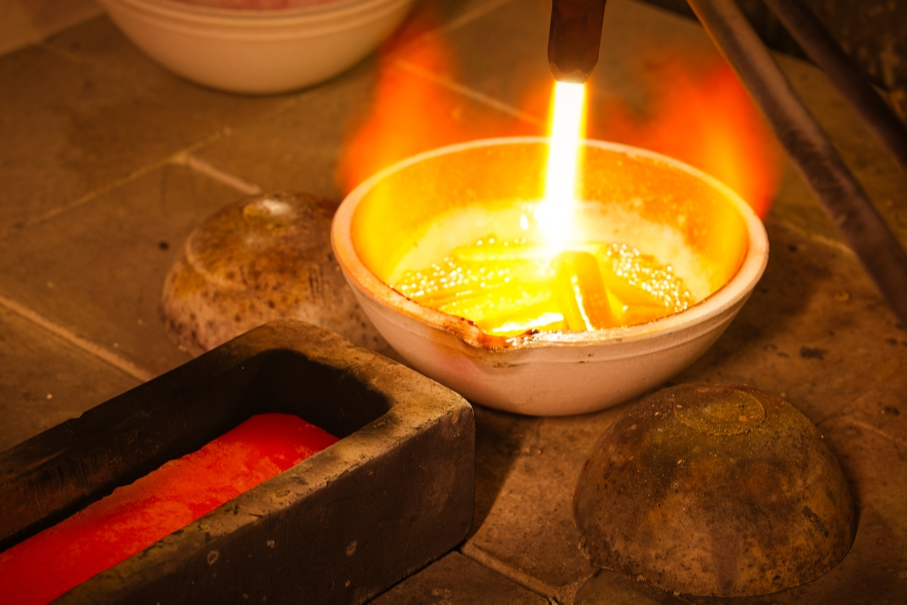
Material integrity checks lie at the heart of producing quality watch components. When it comes to stainless steel, manufacturers run hardness tests to make sure it can resist corrosion beyond 500 on the Vickers scale. Synthetic sapphire crystals get their own set of tests too, needing to withstand scratches rated higher than 9 on the Mohs scale. Special metals such as titanium and bronze require even closer inspection through spectrographic analysis. This process verifies that the metal composition stays within a tight ±0.5% margin of error. Why does this matter? Well, getting these numbers right prevents parts from wearing out too quickly and keeps all the components looking consistent over time.
Every raw component undergoes dual verification:
Supplier quality systems are audited biannually against ISO 13485 medical-grade standards, with performance metrics including:
| Audit Parameter | Minimum Requirement |
|---|---|
| Material Traceability | 100% lot documentation |
| First-Pass Yield | ≥99.4% |
| Corrective Action Closure | ≤72 hours |
Zero-defect acceptance mandates 100% compliance across all parameters. Failed audits trigger immediate sourcing suspension until root cause resolution—reducing supply-chain defects by 63% compared to conventional sampling methods.
Testing how all the moving parts work together is critical during watch assembly. This includes checking things like escapements that control timekeeping, balance wheels that regulate motion, and gear trains that transfer energy throughout the mechanism. Skilled technicians rely on special tools to spot problems as they happen, looking for unusual friction points, irregular amplitude readings, or issues with how power gets transmitted between components. Finding small defects early on in parts such as pallet forks or mainspring barrels can stop bigger problems down the line. Fixing these issues upfront saves money too – around a third less in rework costs according to industry experience – and makes sure every component passes strict timing tests before it gets put into the final product.
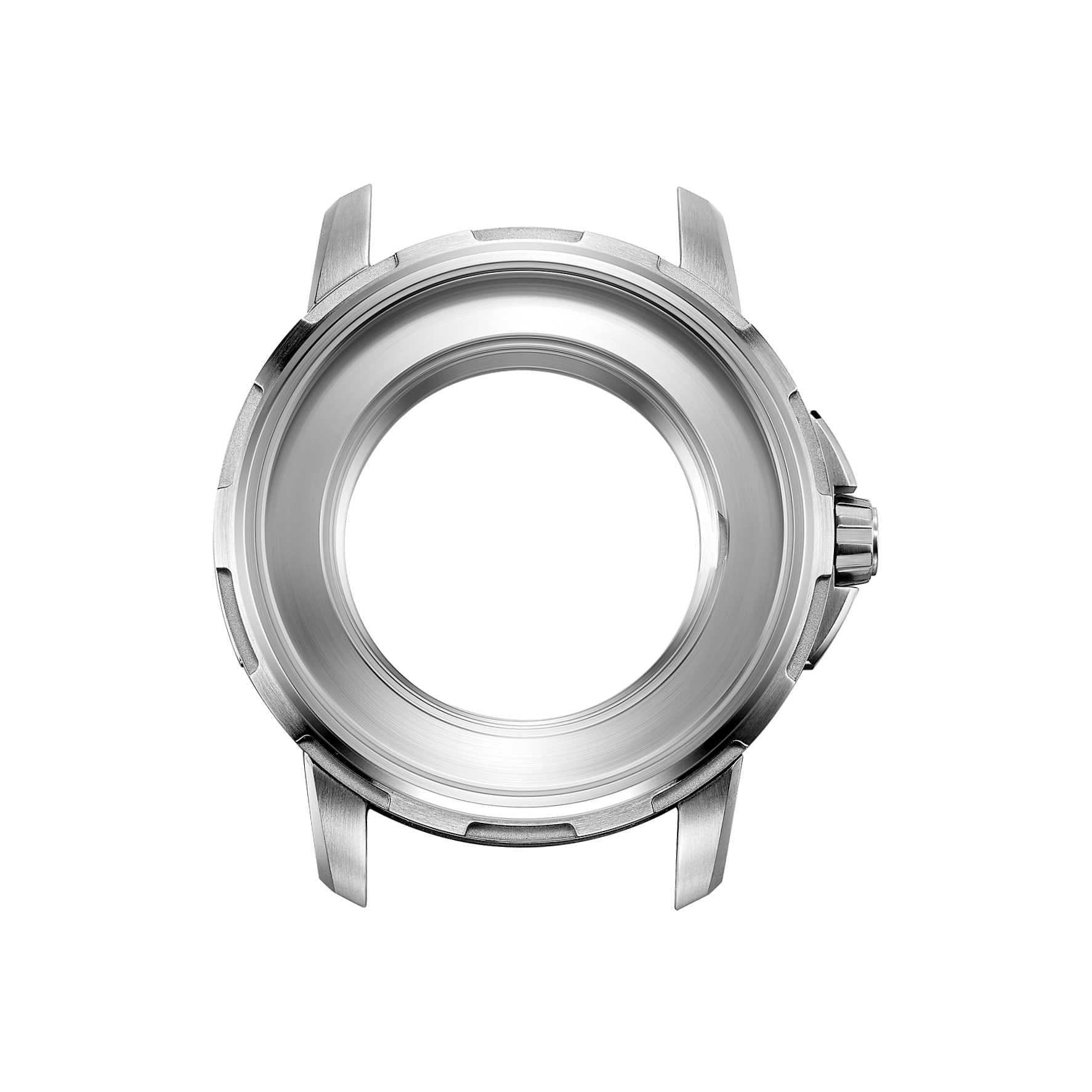
Statistical Process Control, or SPC for short, brings real time data analysis into play during CNC machining when making watch components like cases, bezels and those little crown parts. The really important measurements get special attention. Take lug width for instance, which needs to stay within just 0.01mm tolerance, plus the crown thread pitch that has to be spot on too. These specs are tracked using those control charts everyone talks about along with something called Cpk indices. When any measurement drifts outside what's considered normal parameters, the machines need adjusting right away. Factories that have adopted this approach report cutting down their rejected parts by around 42% compared to old fashioned manual checks. What this means in practice is maintaining that super tight micron level accuracy even when running thousands of pieces through production lines.
AOI systems use high res cameras paired with smart AI software to spot tiny surface flaws down to about 5 microns. These systems compare detailed 3D scans with original CAD designs to check if gears and escapements match their specifications. For really precise measurements, coordinate measuring machines come into play. They can measure jewel bearings and pinions with incredible accuracy - within just 0.001 mm. This level of precision means parts meet those strict ISO 9001 standards without relying on people's potentially flawed measurements. Looking at defect patterns helps manufacturers improve their processes over time. Top shops report cutting down on wasted materials and rework by roughly 40% when they implement these advanced inspection techniques properly.
Before a watch leaves the factory, it goes through several rounds of stress testing to make sure everything works reliably. The timing accuracy gets checked across six different positions for about two weeks, all synced up with atomic clocks. For those fancy mechanical movements, they need to stay within pretty tight margins too – something like minus 4 to plus 6 seconds each day according to COSC standards. When it comes to power reserves, manufacturers run tests where the watch winds down completely to see if it actually lasts as long as claimed, maybe around 72 hours give or take a couple. And then there are all sorts of environmental checks too, making sure these timepieces can handle whatever conditions come their way.
Manufacturers use stainless steel, synthetic sapphire, and specialty alloys like titanium and bronze.
SPC involves real-time data analysis and tracking to maintain precise measurements, reducing part rejections.
It ensures the watch meets strict standards for accuracy, power reserves, and environmental durability.

Baoruihua (Dongguan) Precision Technology Co., Ltd. is a precision watch manufacturer specializing in OEM and ODM watch components, including cases, dials, bracelets, and buckles. We provide stable production, strict quality control, and reliable supply for global watch brands. Contact us to discuss your project.
Building5, No.459 Xiecao Road, Xiegang town, Dongguan, Guangdong
Copyright © 2025 by Baoruihua (Dongguan) Precision Technology Co., Ltd. Privacy Policy
 EN
EN

 Hot News