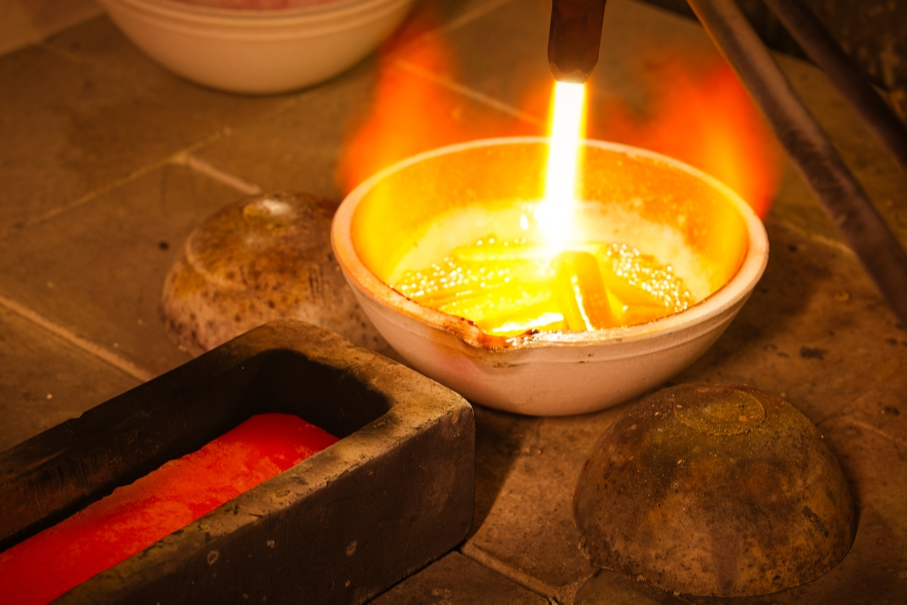
When it comes to building watch cases, 316L surgical steel has become the go-to material across the industry because nobody can really beat what it offers. The steel contains around 2 to 3 percent molybdenum which makes a big difference when resisting those pesky chlorides we find in our sweat and ocean water. Plus, the carbon content stays below 0.03%, so there's no problem with carbide precipitation happening during production processes. This means even after welding or forming parts, the protection remains consistent throughout. Being classified as medical grade, this alloy doesn't cause allergic reactions either, which is great news for people with sensitive skin. And despite all these benefits, the material still holds up against everyday wear and tear without losing strength. Most experts in materials science will tell anyone who asks why luxury watches keep coming back to 316L surgical steel year after year.
Grade 316L stainless steel has great protection against rust and corrosion, though it does tend to get scratched pretty easily through normal daily handling. There are some advanced techniques available now that really boost its hardness levels. Plasma nitriding and cryogenic treatments can push the Vickers hardness rating way up from around 200 HV all the way past 800 HV, which actually puts it on par with certain types of hardened tool steels. What this means in practice is that the surface becomes much tougher against things like keys bouncing off it, coins rubbing against it, or whatever happens when wearing the watch throughout the day. Tests show this treated steel lasts anywhere from three to five times longer before showing wear compared to regular stainless steel without any special treatment. Another big plus is that these hardening processes don't make the metal brittle like ceramics sometimes do. So we end up with watch cases that look good for far longer periods and still handle impacts reasonably well even during active lifestyles.
Grade 5 titanium, also known as Ti-6Al-4V, changes what people expect from watch cases. Weighs about 40 percent less than regular stainless steel but still holds up just as well against tension forces. That means lighter on the wrist without any loss in toughness. The material naturally resists rust and degradation, which makes all the difference when exposed to harsh conditions such as seawater. Standard steel watches would start showing signs of wear much sooner. What really matters though is how safe this stuff is for skin contact. No nickel content here, so no allergic reactions from wearing it day after day. Doctors who need reliable gear during procedures, serious athletes training outdoors, anyone sensitive to metals finds Grade 5 titanium to be their go-to choice these days.
The surface hardness of titanium sits around 250 to 350 HV, which makes it susceptible to those tiny scratches that nobody really wants when handling their precious tools or jewelry. That's why most makers turn to treatments like PVD coatings or what's known as Diamond-Like Carbon (DLC). These coatings can push the hardness way up to somewhere between 1500 and 2500 HV, giving the material that distinctive matte look people love so much these days. Think gunmetal gray or that rich anthracite black finish that looks so good on everything from watches to high end kitchenware. When left uncoated, titanium naturally forms a kind of soft patina over months and years. This happens because of the oxide layer developing on the surface, gradually deepening that charcoal color while still keeping all its functional properties intact. Many collectors actually appreciate how the metal changes character with age, but they'll usually give it a quick clean now and then just to keep those tones looking consistent across their collection.
Zirconium dioxide, or ZrO2 as it's known in the industry, really is the gold standard when it comes to scratch resistance for watch cases. On the Mohs scale, it hits around 9H hardness, just behind good old fashioned diamonds. What makes this material so special? Well, it stays strong even when exposed to extreme heat, maintaining its shape and structure at temps above 2500 degrees Fahrenheit. Plus, because the surface doesn't have pores, tiny abrasions that normally make surfaces look worn don't stick around. Tests conducted by third parties indicate these zirconia cases can keep about 97 percent of their original shine after being worn regularly for a full decade. That kind of longevity makes them ideal for anyone who wants their timepiece to maintain its pristine appearance year after year.
The atomic makeup of ceramic gives it amazing hardness, though not without drawbacks since its fracture toughness is pretty low around 3 MPa root m. When hit, metals tend to bend or dent, but ceramics just crack apart completely if they hit something hard. Real world testing shows ceramic watch cases break about 50 percent more often than stainless steel ones after being dropped accidentally. So what does this mean for designers? Ceramic works great where things stay still and predictable, but needs gentle treatment in everyday situations where impacts happen unexpectedly.
Carbon fiber composites are known for their amazing strength compared to weight. Forged versions can handle tensile strength up to five times what 316L steel manages, yet they only weigh around 30% of that same steel. The way these fibers are woven together gives them natural resistance against UV damage, so colors stay vibrant even after years in direct sunlight. This makes carbon fiber especially good for watches worn outdoors or used in aircraft environments where appearance matters over time. The material also has this unique marbled look that stands out visually, but creating complicated shapes remains tricky because special molds are needed for production runs. Most engineers focus on arranging layers in one direction to get maximum stiffness without sacrificing how the material responds when something hits it hard.
Collectors love bronze for its unique living finish that changes over time. The metal develops a protective oxide layer which gets warmer and more interesting as years pass. Bronze holds up pretty well against corrosion when used near water, but since it's not super hard (around 80 to 100 on the hardness scale), it can get dented or scratched easily. Some watch makers put a layer of titanium behind bronze cases to help prevent allergic reactions from copper contact. This works somewhat but doesn't completely solve the problem, so people with sensitive skin might still have issues. Keeping the patina looking good takes some effort too. A dab of lemon juice now and then helps maintain that rich color. For this reason, bronze is definitely something collectors want to work with actively, not just throw on and forget about like other materials.
316L surgical steel is a stainless steel alloy known for its resistance to chloride corrosion, hypoallergenic properties, and strength, making it a preferred choice for durable and stylish watch cases.
Titanium offers a lightweight alternative to stainless steel with similar strength, is hypoallergenic, and resists rust, making it ideal for harsh conditions and sensitive skin.
Ceramic watch cases are extremely hard and scratch-resistant but can be brittle, leading to a higher chance of breaking upon impact compared to metals.
Collectors appreciate carbon fiber for its strength-to-weight ratio and UV resistance while bronze offers a unique patina that evolves over time, giving each piece a distinct appearance.

Baoruihua (Dongguan) Precision Technology Co., Ltd. is a precision watch manufacturer specializing in OEM and ODM watch components, including cases, dials, bracelets, and buckles. We provide stable production, strict quality control, and reliable supply for global watch brands. Contact us to discuss your project.
Building5, No.459 Xiecao Road, Xiegang town, Dongguan, Guangdong
Copyright © 2025 by Baoruihua (Dongguan) Precision Technology Co., Ltd. Privacy Policy
 EN
EN
 Hot News