За независне марке сатоваришта и микромарке које купују спољне компоненте од азијских произвођачких партнера, разлика између профитабилног лансирања производа и кризе стопе поврата скоро увек се може пратити на један коренски узрок: неадекватну инфраструктуру контроле квалитета на нивоу производње.
Произвођачи квалитетних сатова нису дефинисани ИСО сертификатима који висију на зидовима фабрике они су идентификовани проверим, етапаним специфичним протоколима инспекције који откривају и садрже дефекте пре него што стигну до монтаже. Овај контролни списак за ревизију пружа оперативни оквир за процену да ли потенцијални производни партнер има дубину управљања квалитетом потребну за независну производњу часописа средњег и високог класе.
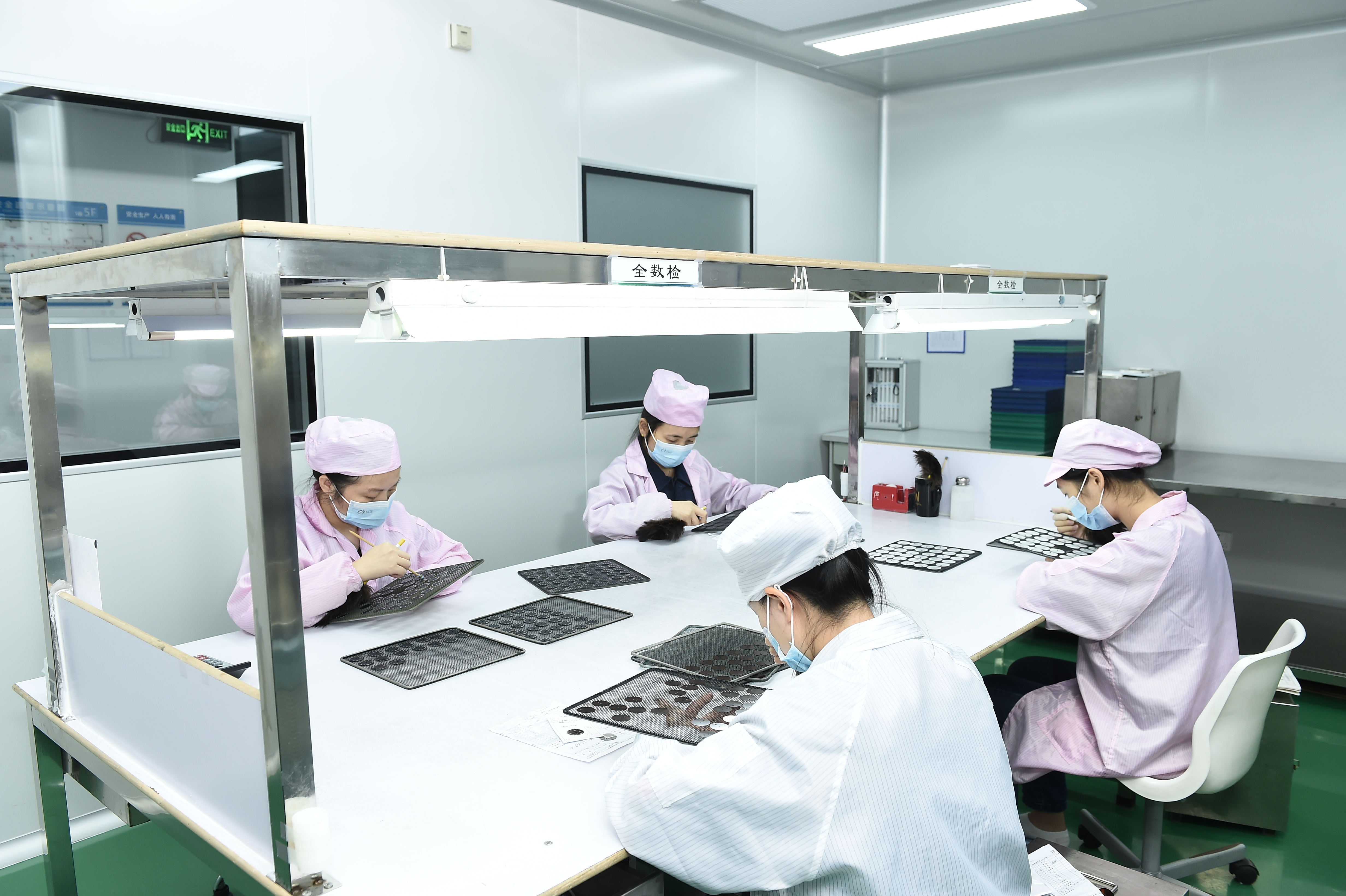
Прва контролна тачка за произвођаче квалитетних сатова је систематска верификација свих улазећих сировина и купљених компоненти пре него што уђу у производњу.
На нивоу сертификације материјала, биљке од нерђајућег челика треба да долазе са сертификатима фабрике који потврђују састав класе (316Л или 904Л са потврђеним садржајем никла, хрома и молибдена). Титанови билети захтевају сертификацију која потврђује састав класе 2 или 5 (Ти-6Ал-4В). Сафирски кристали треба да буду праћени документацијом о тврдоћи и отпорности на огреб.
На нивоу димензионалне верификације, долазећи празни комори, празни комори и компоненте за браслете морају се мерети према инжењерским цртежима користећи калибриране машине за мерење координата (ЦММ) или високопрецизне ручне мерење. Сваки улазни компонента који прелазе димензионалне толеранције од ±0,02 мм за критичну геометрију случаја треба да се стави у карантину и врати.
Инспекција квалитета површине у ИКЦ-у укључује визуелну проверу под стандардизованим условима осветљења од 1000 лукса и 10к увећање за све претходно постојеће дефекте површине, инклузије или несагласности материјала које би угрозиле квалитет завршног деловања.
Контролне тачке контроле квалитета у току процеса код произвођача квалитетних сатова распоређене су на свим критичним фазама производње, а не концентрисане само на завршну инспекцију.
Током ЦНЦ обраде, за сваку нову геометрију коша или ревизију дизајна морају бити завршени записи о првој инспекцији члана (ФАИ), потврђујући да све критичне димензије ширина лага, дијаметар коша, дубина кристалног седишта, дужина заплетене нитке за ко
Прелаз између четканих и огледално полираних површина је најоткривенији индикатор квалитета у фази завршног деловања: премијум произвођачи одржавају геометријски оштру разграничење између зона завршног деловања, док фабрике са мањим капацитетом омогућавају препољачење да заобљује
IPQC за производњу цифербла обухвата униформитет лаке (оцјењен визуелно и са спектрофотометријским мерењем конзистенције боје), униформитет пуњења луме (без празнина, без преливања изван граница индекса) и примењену уравњавање индекса (оцјењену
Уградња густица и запечатања ИПКЦ захтева верификацију спецификације дурометра О-прстен и димензионалну потврду дубине жлебова густице како би се осигурало да стопа деформације еластомера спада у инжењерски одређени прозор компресије
За било коју спецификацију сатова која тврди отпорност на воду, тестирање отпорности на воду је непроговарајућа врата квалитета на фабричком нивоу, а не опционална пре испоруке.
Произвођачи квалитетних сатова одржавају посебне тестове отпорности на воду калибриране према стандардима ИСО 22810. Сваки комплетан скуп кутије пре монтаже покрета подвргнут је испитивању ваздушног притиска на 1,25 пута дубину еквивалента номиналне отпорности воде. Случаји који тврде да су отпорни на воду на 100 метара (10 АТМ) тестирани су на ваздушном притиску од 12,5 АТМ.
Било које микро-уцека откривено на круни система, кристалне пломбе, или комота за затварање резултира са одмах уклањање из производње струје за корен узрока истраге и репроцесију. После испитивања се проверава да процес испитивања притиска није изазвао деформацију површине, промене кристалног седишта или померање нита за кутију.
Функционална верификација за рад круне мора потврдити позитиван контакт клика и у позицијама за излазак и за гутање круне, а тестирање крутног момента потврђује да отпор круне на закрцање спада у технички одређени опсег.
Степен ОКЦ-а је последња врата за ограничење пре него што завршене компоненте напусте фабрику. Потпуни протокол инспекције ОКЦ-а за произвођаче квалитетних сатова укључује:
Проверка завршног деловања површине под осветљењем од 1000 лукса са 10 путаним прегледањем лупе на гребење, несагласности полирања, дефекте наношења луме и контаминацију површине.
Последња димензионална проверка потврђује пречник коша, ширину заглављења и пролаз везу за браслете према одобреном стандарду производње.
Поново тестирање отпорности воде на основу узорка (обично 10 посто запремине испоруке) потврђује да процес монтаже није пореметио интегритет пломбе.
Инспекција паковања потврђује да су готове компоненте појединачно упаковане у заштитни материјал против огребања и упаковане у конфигурације за носиоце које спречавају кретање током транзита.
Документација о праћењу у ОКЦ-у мора укључивати попуњену инспекциону документацију са укрснима референцама на производњу, референце за сертификацију материјала и записе о испитивању отпорности на воду пружајући вериги ревизије бренд потребне за гаранцију и подршку на постмаркету
Током ревизије фабрике пре производње за 300 јединица дебитног референтног европског микробренда, менаџер ланца снабдевања бренда идентификовао је две критичне пропусте у инфраструктури квалитета у објекту на листу.
Прво, долазећи титанијумски билети су прихваћени без верификације сертификације фабрике фабрика није имала формализовану процедуру ИКЦ за тражебилност сировине.
Друго, тестирање отпорности воде је спроведено након монтажа, а не у фази монтаже косије, што значи да се неисправно запломбивање круне не би откривало док се покрет већ није инсталирао и регулисао - потенцијално катастрофални трошкови прераде.
Ова два открића довела су бренд да захтева од произвођача да спроведе формализовану ИКЦ документацију и испитивање отпорности воде на стадијума као услове уговора о производњи, а поштовање потврђено је на другој фабричкој посети пре обавезе алата.
Zaključak
Дубина управљања квалитетом произвођачког партнера није видљива у фабричкој брошури. Процењује се путем верификације протокола инспекције за одређене фазе, записних података о калибрацији опреме и документованих система тражимости.
Произвођачи квалитетних сатова који раде са формализованим ИКЦ-у-ОКЦ системима не неформалне инспекције на крају линије су једини производни партнери способни да доследно штите мере износ поврата независне марке преко више производних серија и растућих количина јединица.
П: Која је фаза контроле квалитета која се најчешће занемарује приликом ревизије произвођача сатова?
О: Проверка инсталације запкова и запечатака у процесу је фаза која најчешће одсуствује из протокола фабричке КЦ. Без потврђене спецификације дурометра О-прстен и димензионалне верификације жаба за заплет, неуспех отпорности воде који је резултат прекомерног или слабо компресираних еластомера систематски је неоткривљив док се монтирани производ не тестира стварајући скупу прераду
П: Како могу да проверим да ли је опрема за тестирање отпорности воде произвођача сатова правилно калибрирана?
О: Захтева сертификате о калибрацији за тестну стазу за притисак, који потврђују годишњу или полугодишњу калибрацију према траживом референтном стандарду за притисак. Фабрике које користе испитивање ваздушног притиска за тврдње о отпорности на воду морају да докажу документацију у складу са ИСО 22810. Без записа о калибрацији, подаци о испиту отпорности воде из фабрике немају проверљиву прецизност.
П: Коју документацију производилац квалитетног сата треба да пружи на крају сваке производње?
О: Потпуни документи о инспекцији ОКК-а (по партији и по јединици, ако је примењиво), сертификати о тражимости материјала са усмереним референцама на одређену производњу, записи о испитивању отпорности воде за партију и записи о инспекцији првог члана из производње. Овај сет документације представља минимални ланац ревизије потребан за подршку гаранције и истрагу недостатака на постмаркету.

Baoruihua (Dongguan) Precision Technology Co., Ltd. је произвођач прецизних сатова специјализована за OEM и ODM сатова компоненте, укључујући случајеве, циферблата, наручнице и браве. Обезбеђујемо стабилну производњу, строгу контролу квалитета и поуздану снабдевање за глобалне брендове часописа. Контактирајте нас да бисте разговарали о вашем пројекту.
Зграда 5, број 459 Сјекао Роад, град Сјеганг, Донггуан, Гуангдонг
Copyright © 2025 од стране Баоруихуа (Донггуан) Прецизн Технологи Цо., Лтд. Политике приватности
 EN
EN
 Топла вест