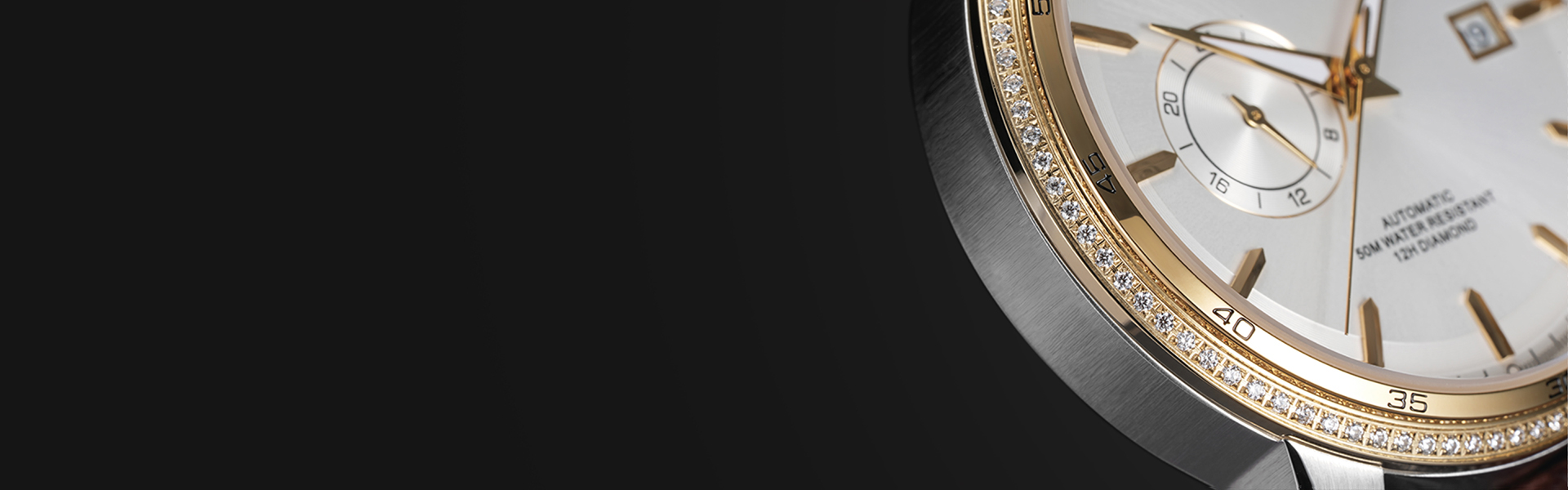
Proizvođači satova koji rade s ODM partnerima imaju pristup prilično impresivnim mogućnostima kretanja. Ove tvrtke mogu integrirati ili švicarski ili japanski kalibar u svoje dizajne, a zatim dodati sve vrste komplikovanih komplikacija poput hronografa, indikatora mjesečeve faze ili funkcije s dvije vremenske zone. Inženjeri u tim partnerskim tvrtkama u osnovi uzimaju standardne baze pokreta i grade na njima modul po modul. Uspostavljaju i vrlo stroge tolerancije, održavajući vrijeme u prosjeku oko 5 sekundi dnevno. Ali ono što je stvarno zanimljivo je kako oni prilagođavaju stvari poput težine rotora kako bi se osiguralo da se uzvrat događa tiho, i podešavaju te sitne opruge ravnoteže tako da sat nastavi točno raditi čak i kada je izložen ekstremnim temperaturama od minus 20 stupnjeva Celzijusa do plus 60. Sve to znači da satne marke ne trebaju ogromne istraživačke odjelove ako žele izvesti satove sa sofisticiranom tehnologijom.
ODM-ovi se bave svime od početnih CAD dizajna sve do sastavljanja gotovog proizvoda u onome što oni nazivaju integrisanim proizvodnim sustavom. Kada je riječ o materijalima, kupci mogu birati između opcija kao što su 316L kirurški nehrđajući čelik, titan koji se koristi u dijelovima zrakoplova ili te čvrste keramičke kompozitne materijale. Površine također imaju različite oblike - pomislite na metalno češljanje, sjajno poliranje, grubo pucanje perlicama ili čak one fancy PVD premaze koje daju stvarima dodatni sjaj. Za satove koriste poseban kemijski proces graviranja koji omogućuje preciznost detalja manje od desetine milimetara. -Premke? Postoji FSC certificirana koža za puriste, reciklirana plastika napravljena od stvari izvučene iz oceana, plus neki noviji biljni materijali koji dolaze na tržište. Sva ova vertikalna integracija stvarno ubrzava stvari u usporedbi s radom s više isporučitelja raspršenih, smanjuje vrijeme čekanja za negdje oko 40 posto u skladu s njihovim brojevima.
Proizvođači provjeravaju otpornost na vodu provodeći ove ubrzane testove tlaka gdje u osnovi stavljaju satove na 125% njihove navedenog ocjenjivanja dubine oko 24 sata uzastopno. Na primjer, sat koji je ocjenjen na 100 metara zapravo bi se testirao na 125 ATM-a tijekom ovog procesa. Tvrtke zatim šalju svoje proizvode neovisnim laboratorijima koja slijede standard ISO 22810:2010. Ovi laboratoriji provode sve vrste testova i stvaraju potpunu dokumentaciju. Oni proučavaju kako satovi podnose ekstremne promjene temperature od minus 20 stupnjeva Celzijusa do plus 50 stupnjeva, provjeravaju je li u kućištu bilo kakve kondenzacije i simuliraju pritisak sličan onom koji roniči mogu doživjeti pod vodom. Svi ovi koraci pomažu osigurati da pečate ostanu netaknute kada netko zapravo nosi sat dok pliva ili ronja, umjesto da samo sjedi na polici u kontrolisanom laboratorijskom okruženju.
Proces suradničkog razvoja počinje usavršavanjem koncepata kroz više iteracija, dok se procjenjuje jesu li ideje tehnički izvedljive. Za samo osam tjedana, ovaj pristup obično napreduje do stvaranja stvarnih radnih prototipa. Brzina dolazi od kombinacije nekoliko tehnika odjednom: digitalni 3D modeli se grade uz brze testove s različitim materijalima, a testovi na stres se događaju istovremeno za komponente poput pokretnih dijelova, čipova i sastavljenih kućišta. Rano dobivanje povratnih informacija izgleda dobro, osjeća se dobro i dobro funkcionira mehanički omogućuje timovima da naprave potrebne promjene prije nego se obavežu na skupo oruđe. To štedi novac na putu, kada bi veliki redizajn koštao mnogo više od jednostavnih modifikacija u početnim fazama.
Kad je riječ o ulaganjima u alat, mnoge tvrtke nude planove plaćanja koji raspoređuju troškove tijekom vremena. Ovaj pristup održava unaprijed troškove upravljivim, a istovremeno omogućuje dobru kontrolu kvalitete svih onih kalup, jigova i različitih mehaničkih priključaka potrebnih za proizvodnju. Većina proizvođača određuje minimalne narudžbe oko 300 jedinica, što dobro funkcionira za testiranje novih tržišta, stvaranje posebnih izdanja ili lansiranje sezonskih proizvoda bez vezanja previše zaliha. Ono što je stvarno važno ovdje je kako ugovori rade. Kada se sve potpiše, partner brenda zapravo posjeduje sva prava intelektualnog vlasništva uključujući dizajnerske datoteke, sam alat i sve patente koji mogu doći od inovacija tijekom proizvodnje. To znači da poduzeća zadržavaju kontrolu nad svojim imovinom godinama i mogu proširiti poslovanje po potrebi bez brige o gubitku vlasništva.
Rad s ODM proizvođačem satova mijenja način na koji tvrtke upravljaju svojim novcem kada je u pitanju upravljanje operacijama. Umjesto da potroše velike pare unaprijed na zgrade, strojeve i zapošljavanje tehničkog osoblja, brendovi iskorištavaju ono što ODM već znaju o proizvodnji preciznih dijelova, praćenju propisa i upravljanju opskrbom diljem svijeta. Što se događa? -Ne znam. Tvrtke proizvode proizvode brže za oko 40%, suočavaju se sa manjim rizikom prilikom posla s dobavljačima i dobivanja certifikata, plus oni ostaju ispred krive s novim mehanizmima satova i boljim materijalima cijelo vrijeme. Novac koji bi otišao u izgradnju tvornica sada ide u rast brenda, poboljšanje iskustva kupaca i stvaranje pametnijih proizvoda zasnovanih na stvarnim podacima. I pogodite što? Sve to se radi bez prekida važnih industrijskih standarda kao što su ISO 9001, ISO 22810 i RoHS tijekom stvarnih proizvodnih trka.
Današnji ODM-ovi kombinuju BLE module u Swiss Ronda pokrete, što im omogućuje da šalju upozorenja za pametne telefone, prate aktivnosti i ažuriraju firmware, a sve to održava impresivnu 100 metara otpornost na vodu netaknutu. Kako to rade? Pa, elektronika dobiva svoje zapečaćene komore, PCB-ovi imaju posebne premaze za borbu protiv vlažnosti, i kola su postavljena tamo gdje neće smetati kako sat radi ili ugroziti kritične zapečaćenja. Ova pametna mješavina tradicionalne urarstva i moderne tehnologije zadovoljava rastuću potrebu za pametnim karakteristikama u ozbiljnim sportskim i ronilačkim satovima bez da ih čini jeftinim uređajima. Prava magija je pronalaženje slatke točke između vrhunske povezanosti i pouzdanosti stare škole.
Održivost prolazi kroz svaki dio našeg proizvodnog procesa. Samom kućište je napravljeno od 85 posto postindustrijskog recikliranog nehrđajućeg čelika 316L. Ovaj materijal odgovara onome što dobijemo od potpuno novog čelika kada je u pitanju otpornost na koroziju, ali smanjuje ugljični otisak za otprilike dvije trećine u usporedbi s tradicionalnim metodama. Za remene, razvili smo nešto vrlo posebno previše. Napravljeni su od bioloških polimera koji dolaze iz stvari poput ricinskog zrna i kukuruznog skroba. Ovi materijali izdržavaju se jednako dobro kao koža na stresnim testovima, ali proizvode oko 60% manje emisije ugljičnog dioksida tijekom proizvodnje. Kada je riječ o pakiranju, mi idemo sve na ekološki prijateljski. Unutra svake kutije nalaze se oblikovani uložci od celuloze, certificirani od strane Savjeta za upravljanje šumama, odštampani mastima na bazi soje, umotanim u kompostirajuću celuloznu folijom koja se potpuno razgrađuje za oko šest mjeseci ako se pravilno odbacuje. Svi ti napori podupiru stvarne ekološke tvrdnje koje odgovaraju i smjernicama ISO 14021 za označavanje okoliša i zahtjevima EU-a za ekološku oznaku. Brendovi koji usvajaju ove prakse otkrivaju da mogu bolje odgovoriti na želje kupaca danas i ostati ispred sve strožih propisa u pogledu transparentnosti proizvoda i korporativne odgovornosti.
Što je ODM u proizvodnji satova?
ODM je skraćenica za Original Design Manufacturer, partnersku tvrtku koja dizajnira, razvija i proizvodi proizvode za drugi brend, koji ih zatim prodaje pod vlastitim imenom.
Kako ODM-ovi osiguravaju otpornost na vodu?
ODM-ovi testiraju satove na 125% njihove navedene dubine u razdoblju od 24 sata i koriste neovisne laboratorije kako bi osigurali usklađenost s ISO standardima, provjeravajući performanse u različitim ekstremnim uvjetima.
Koje se materijale obično koriste u ODM satovima?
Neki od materijala uključuju nerđajući čelik od 316L, titan, keramičke kompozitne materijale i održive materijale poput reciklirane plastike i biopolimera.

Baoruihua (Dongguan) Precision Technology Co., Ltd. je proizvođač preciznih satova specijaliziran za OEM i ODM komponente satova, uključujući kućište, brojčanice, narukvice i sponke. Obezbeđujemo stabilnu proizvodnju, strogu kontrolu kvalitete i pouzdanu opskrbu za svjetske marke satova. Kontaktirajte nas da razgovaramo o vašem projektu.
Zgrada 5, br. 459 Xiecao Road, Xiegang town, Dongguan, Guangdong
Autorska prava © 2025. Baoruihua (Dongguan) Precision Technology Co., Ltd. Pravila o privatnosti
 EN
EN
 Najnovije vijesti